With so many things happening everywhere all at once, the start of a new supreme court term on 6 October may be flying under the radar. It shouldn’t.
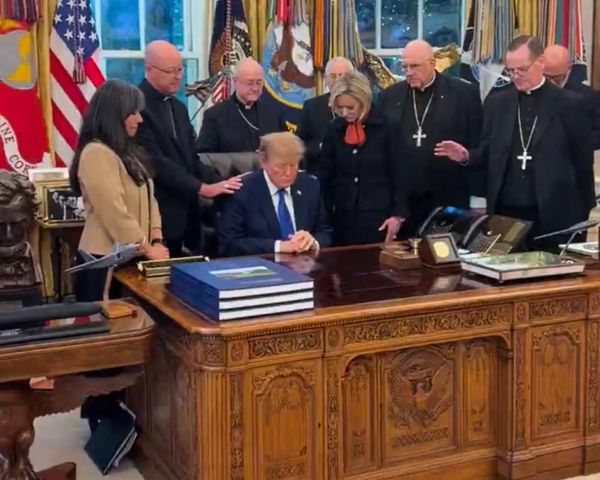
The state of checks and balances in the country is among the more ominous indicators of the health of America’s democracy: in the executive branch is a president who is keen on exercising every lever of power that he has – as well as some he does not – to enrich himself and his allies and to suppress dissent and political opposition. The legislature is dominated by a regime-friendly political party that is too happy to roll over and accede to the president’s wishes, repeatedly failing to exercise the congressional powers that could rein in the executive branch.
Because the executive and legislature branches seem to have jumped the constitutional shark, some people continue to hold out hope that the judicial branch, with the supreme court at its apex, will offer a way out of this mess. That would be a mistake: like Congress, the Republican majority on the supreme court has lined up behind most of the president’s sweeping assertions of novel powers. The supreme court has blocked lower federal court rulings that had reined in the president’s authority to withhold federal medical research grants for ideological reasons. It has allowed the executive branch to deploy roving immigration patrols to engage in racial profiling; to expel noncitizens to countries on the brink of civil wars where they could face torture, trafficking or death; to fire non-regime friendly officials (in violation of federal law); to dismantle entire departments and more.