
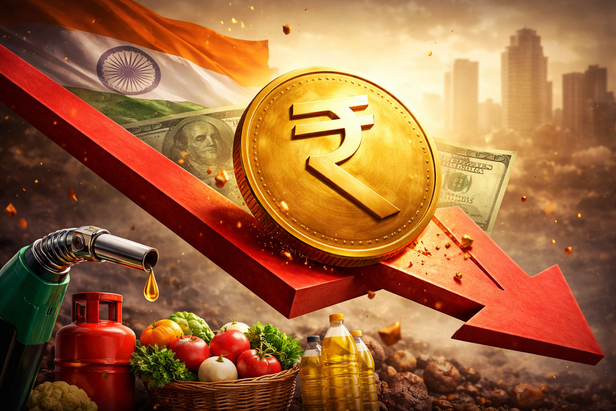
A weak rupee does not stay in currency markets. It quietly shows up in household budgets. When the rupee moves toward levels like 90 or beyond against the dollar, India starts paying more for fuel, food, education, healthcare, travel, and essential imports. Life does not feel expensive overnight. It feels heavier month after month.
India does not need a currency crisis for this to become dangerous. With high import dependence and dollar-linked costs across the economy, a falling rupee pushes financial stress into the future, especially for households and businesses with limited buffers. That is why a number like 92 per dollar is not just a market headline. It is an early warning.













