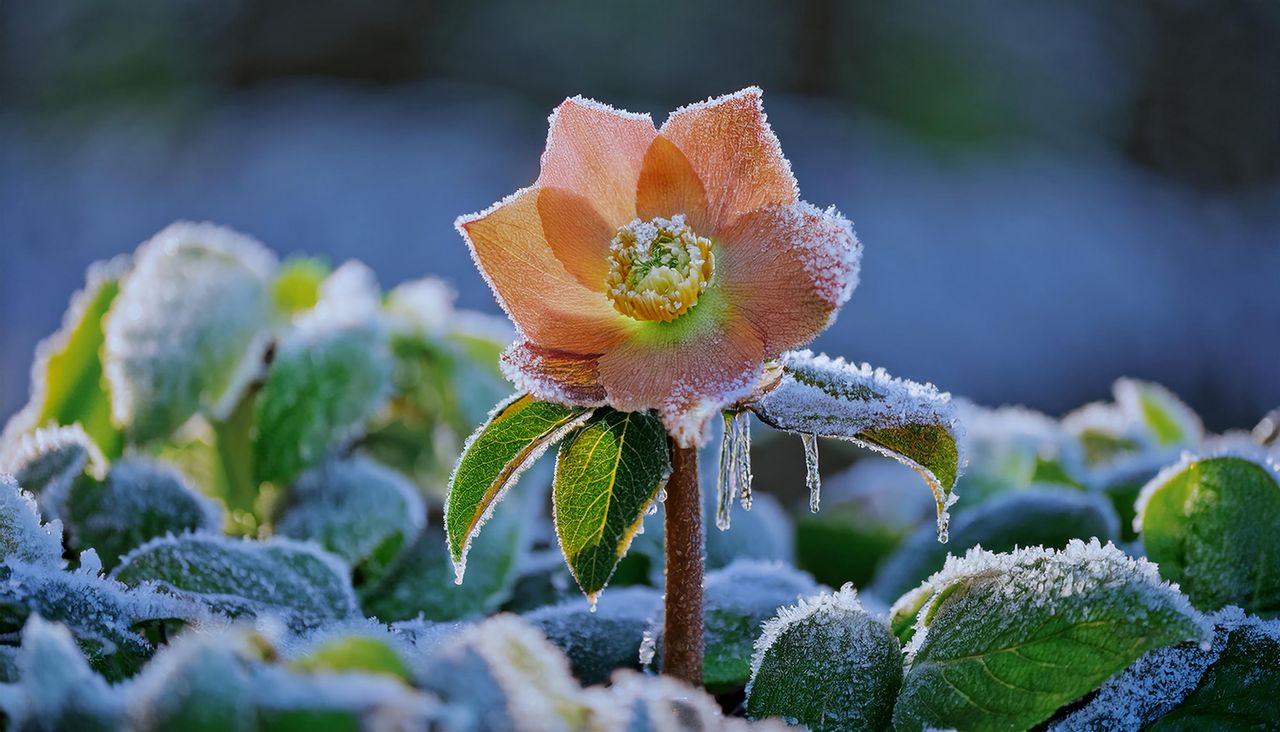
With November well and truly underway, there’s still plenty of jobs to do in your yard. Apart from raking leaves to protect your lawn and planting tulips for spring color, there’s another job that needs to be done this month.
As temperatures start to plummet and we experience cold snaps, your plants will need protection from the big chill. If you leave your plants to deal with frost and icy conditions without any support, they may not survive into next year.

Taking steps now to protect your plants from frost will help them withstand harsh weather, giving them a greater chance of success when the temperature improves.
“Frosty conditions can be a gardener’s nightmare if they’re unprepared, but keeping an eye on the forecast and putting some simple measures in place can make all the difference,” says Chris Bonnett, owner at Gardening Express.
Here, he shares 9 tips to protect your plants from frost so you can enjoy them next year.
1. Plant fleece

While we wrap up in blankets and throws to keep cozy inside, and rely on smart thermostats to keep the temperature just right, your plants are left to their own devices to beat the chill. But according to Bonnett, you can protect your plants from the cold with its own type of blanket.
“Plant fleece is a lightweight fabric designed for protecting plants in harsh weather. Typically, they should be used for a short period of time rather than for the whole day,” says Bonnett.
And if you’re looking for an inexpensive option, he says thin bed sheets will work too.
2. Mulch

Another way to protect your plants is to use mulch. “Keep on top of regular mulching to keep plants warm during winter," Bonnett says. "Scattering thick organic material around the plants will keep the moisture in the ground.”
If you’ve raked up lots of leaves this fall, you can repurpose them by layering them around your plants to keep them warm.
3. Warm water bottles

It might seem a little extreme, but Bonnett also suggests using warm water bottles around your plants to quickly melt the frost. “Repeat this step morning and night to help your plants survive the frosty weather,” he advises.
So, start collecting your used plastic bottles and recycle them by filling them with hot water and placing them around your plants to melt the ice.
4. Clear plastic bags

From plastic bottles to plastic bags. “Covering plants in zip-up plastic bags keeps the frost from having any close contact and helps retain a healthy amount of moisture,” says Bonnett.
The 'zip-lock' seal on the bags makes them easy to secure around your plant without getting tied up in knots. "Make sure to go for clear plastic bags so you can keep an eye on their condition,” Bonnett adds. He also advices against keeping them on your plants all the time.
5. Regularly wipe off frost

It may seem a bit extreme, but Bonnett says if you keep noticing frost resting on your plants each morning, they could do with a dusting.
And his method to remove the frost? “Grab a microfiber cloth and gently wipe it off to prevent it from sinking in and damaging the plant cells,” he says.
6. Bring the plants inside

Just as we all spend more time inside in the colder months, Bonnett says more vulnerable plants will benefit from the same treatment, as they can be harmed by winter frost.
“Plants such as Sansevieria and dahlia thrive indoors; you can even place them on windowsills so they can still catch some natural sunlight,” he suggests.
7. Using buckets

Another option Bonnett suggests is to turn buckets upside down to cover plants and prevent frost from taking over. He says it's best done on particularly frosty nights. “Don’t leave them on for more than a day, as the trapped water underneath can cause fungal diseases in the plants,” he warns.
8. Bubble wrap

There’s nothing quite as rewarding as popping bubble wrap, but don’t get too carried away before you protect your plants!
“Bubble wrap is an inexpensive way to protect your plants and it offers a good level of insulation,” says Bonnett, adding that an alternative is plant fleece, as mentioned above.
9. Don’t trash damaged plants

If you notice a plant has been damaged by frost, all is not lost.
“Regrowth tends to happen once the plants are back in warmer temperatures,” says Bonnett, “so if you notice frost is causing damage — take them inside until they’re looking healthier.”
There’s no need to toss your plants; they may just need a little longer to recover.

Follow Tom's Guide on Google News and add us as a preferred source to get our up-to-date news, analysis, and reviews in your feeds.