
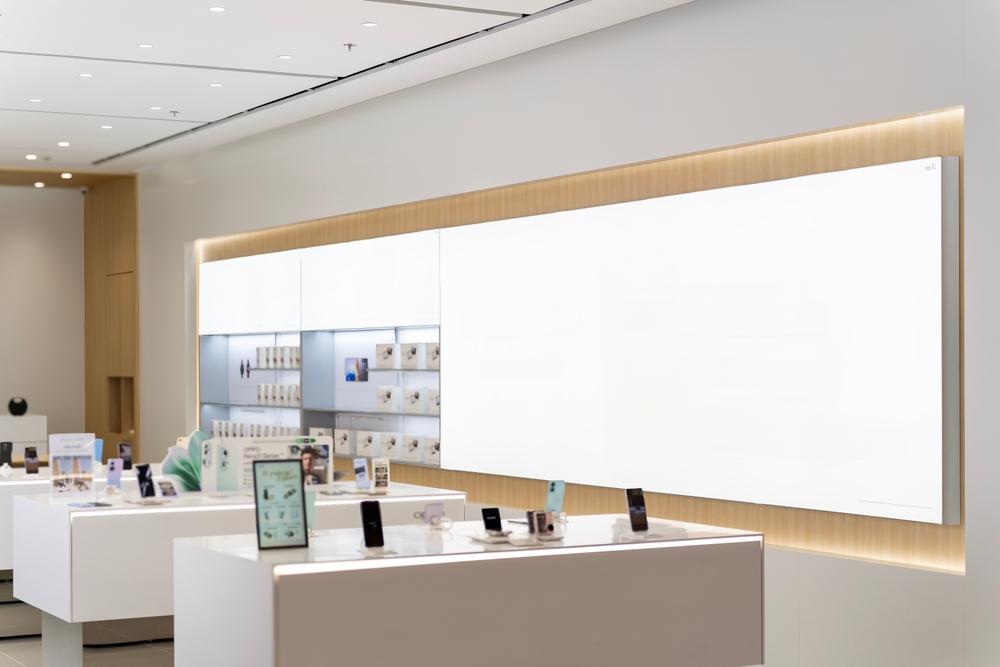
Ever noticed how you walk into a grocery store for a few things but end up browsing aisles you never intended to visit? This isn’t just a coincidence. Retailers use clever store design tricks to keep you walking longer, which often means you spend more. These subtle strategies can influence your route, your mood, and even what you buy. Shoppers who understand these tactics can make more mindful choices and save money. Let’s break down nine common store design tricks that keep you circling the store and reaching for your wallet.
1. The Long Path to Essentials
Most grocery stores put staple items like milk, eggs, and bread at the back. It forces you to walk past tempting displays and specialty products before you reach what you came for. By the time you grab your essentials, you’ve already passed dozens of items you might toss into your cart on impulse. This store design trick is so common that regular shoppers often don’t even notice it. Next time, try to stick to your list and head straight for what you need.
2. Strategic Product Placement
Store design tricks aren’t just about layout—they’re about what you see at eye level. Premium brands and high-margin items are placed right where your eyes land first. Cheaper or generic alternatives are often lower or higher on the shelves. Kids’ products might be placed at a child’s eye level to encourage pester power. If you want to save, scan the shelves from top to bottom rather than grabbing the first product you see.
3. Wide, Winding Aisles
Wide aisles feel inviting and encourage exploration. Some stores even use gently curving aisles, which hide the end of the aisle from view and encourage you to walk further. This subtle trick can make a quick trip take much more time, increasing the chances you’ll find something else to buy. Next time, notice which aisles draw you in and how the layout affects your path.
4. Sensory Overload
Sights, sounds, and even smells are part of the store design tricks that encourage you to walk longer. Fresh bread baking, soft music, and bright lighting all create a pleasant environment. Some stores even use scent machines to make the produce section smell fresher. These sensory cues are designed to encourage you to linger and feel good about shopping, which can lead to increased time spent and more purchases.
5. Endcap Displays
Endcaps—the displays at the end of aisles—are prime real estate in any store. Retailers use these spaces for high-profit items, new products, or big promotions. They’re designed to catch your eye as you turn a corner. Even if you don’t need what’s on display, the bright colors and stacked products can tempt you into picking up an extra item or two. It’s a classic store design trick that keeps you moving from one display to the next.
6. “Decompression Zones” at the Entrance
When you first walk into a store, you’re in what’s called a decompression zone. This area is often open and uncluttered, helping you adjust to the store’s environment. It eases you in and sets the mood for shopping. After you pass through, you’re more likely to notice and respond to store design tricks like promotional displays and featured products. Take a moment to pause and get your bearings before diving in.
7. Cross-Merchandising
Cross-merchandising means placing related products together to inspire new purchases. Think chips next to salsa, or pasta beside jars of sauce. These combinations encourage you to grab multiple items, even if you only planned on one. This store design trick can be helpful if you need meal ideas, but it’s also a way to increase your spending. Check your shopping list and be mindful of these pairings as you shop.
8. Slow-Down Zones
Some parts of a store are designed to slow you down. Narrower aisles, special lighting, or creative displays all encourage you to stop and look around. These areas often feature new or seasonal products. The more time you spend in these slowdown zones, the more likely you are to make unplanned purchases. Recognizing these areas can help you stay on track with your shopping goals and avoid impulse purchases.
9. Checkout Lane Temptations
Even after you finish shopping, store design tricks are still at work. The checkout area is packed with snacks, magazines, and other last-minute grabs. These small, tempting items are placed to catch your eye while you wait. It’s easy to toss something extra into your cart without thinking, especially if you’re shopping with kids. To avoid overspending, keep your focus on your planned purchases as you wait in line.
Shopping Smarter in Any Store
Understanding how store design tricks encourage you to walk longer is a great way to take control of your shopping experience. When you know what to look for, you can make choices that fit your needs and your budget. If you want to learn more about consumer psychology, this guide to consumer behavior is a great starting point.
What store design tricks have you noticed at your local grocery store? Share your thoughts and experiences in the comments below!
What to Read Next…
- How Grocery Store Layouts Influence Your Shopping Habits
- 9 Ways Grocery Stores Trick You Into Spending More
- 8 Grocery Store Tricks That Make You Spend on the Wrong Products
- How Grocery Stores Entice You to Try New Products and How to Avoid Unnecessary Purchases
- The Surprising Reason Stores Give Away Free Samples
The post 9 Store Design Tricks That Keep You Walking Longer appeared first on Grocery Coupon Guide.