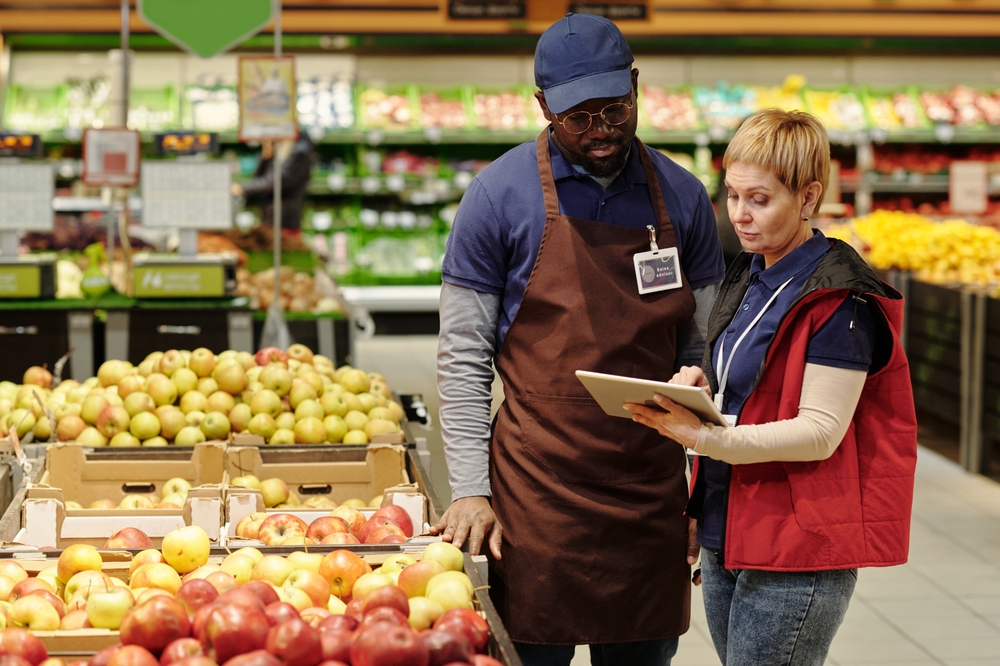
Every major retailer tracks shopper behavior far more closely than most customers realize. From the way you pick up an item to how long you hesitate before checking out, your shopping habits help companies decide when to raise prices. These shopper reactions are analyzed through loyalty programs, sales data, and even subtle in-store observations. The more predictable consumers become, the easier it is for stores to test limits and see just how much people are willing to pay. Recognizing these tactics can help you shop smarter—and protect your budget from strategic price hikes.
1. The “No-Hesitation” Purchase
When customers grab a product without thinking twice, it sends a clear signal that the price point feels comfortable. Retailers love this type of instant purchase because it shows demand remains high even if the price inches upward. Frequent no-hesitation buys often trigger quiet testing of slightly higher price tags to see if sales volume stays steady. It’s how grocery stores learn that a $3.49 snack can jump to $3.99 without pushback. If you notice small price bumps over time, your quick-buy habits may be part of the reason why.
2. The Shrug-at-the-Register Response
Some shopper reactions occur during checkout—particularly when buyers notice small increases but still pay without complaint. This “shrug and swipe” behavior tells stores that customers view the higher price as acceptable or not worth arguing about. Retailers monitor this through point-of-sale data to see which products can handle modest hikes. If few people abandon their carts after a price change, it’s considered a green light for further increases. The key takeaway for consumers is that indifference often signals to stores that they can safely raise prices again.
3. Subtle Brand Loyalty
Loyalty is powerful—and stores know it. When customers consistently choose the same brand regardless of alternatives, it’s one of the most valuable shopper reactions for pricing teams. Consistent loyalty shows that consumers prioritize trust or taste over savings, allowing companies to raise prices without losing their core base. This is especially true for items like coffee, cereal, or baby products, where emotional attachment often outweighs cost concerns. To avoid being targeted, shoppers can rotate brands occasionally or buy during promotions instead of sticking to one label year-round.
4. The “Limited-Time” Rush
Retailers often test urgency-driven promotions to see how quickly shoppers respond. When a product marked “for a limited time” sells out within days, that reaction tells stores demand is higher than expected. Once data shows people are willing to pay quickly at that price, companies often eliminate the discount or introduce the product again at a slightly higher cost. This tactic works especially well in grocery stores where scarcity psychology drives impulse buying. Next time you see a time-sensitive deal, pause before adding it to your cart—your reaction may influence future pricing.
5. Ignoring Smaller Packages
One of the sneakiest shopper reactions stores monitor is whether customers notice shrinkflation—the reduction of product size without a visible price drop. When buyers don’t complain or switch brands, it tells companies the strategy worked. Manufacturers can then continue to shrink packages gradually while maintaining profit margins. This tactic relies on the assumption that most shoppers won’t check weight labels or unit pricing. Paying attention to packaging changes helps you avoid quietly overpaying for less product.
6. Bulk Buying at Full Price
Retailers closely track bulk-purchase behavior, especially when shoppers buy large quantities without waiting for sales. These shopper reactions tell stores that customers perceive long-term value in the product regardless of price. As a result, the company feels confident adjusting prices upward, knowing people will continue to stock up. This behavior is common with household staples like toilet paper, pet food, or bottled water. To counter it, buy only what you need between promotions or combine coupons to offset full-price purchases.
7. Minimal Coupon or Reward Redemption
If customers rarely use coupons, discounts, or loyalty rewards, stores learn that promotions aren’t essential to maintain sales. This is one of the clearest shopper reactions indicating a product’s price elasticity—how much demand changes with price. When people ignore available savings, companies assume the price could rise without hurting revenue. Over time, brands may phase out discounts altogether or reduce their value. Staying diligent about using rewards programs helps remind retailers that price sensitivity still matters to consumers.
8. High-Traffic Items That Always Sell
Retailers track how certain items perform regardless of economic conditions. When a product consistently sells through at full price—like bread, eggs, or milk—it’s considered “inelastic,” meaning demand stays steady no matter the cost. These dependable shopper reactions encourage gradual increases since people see the product as a necessity. Price hikes are usually introduced in small increments to avoid backlash. Knowing which items fall into this category can help shoppers budget better and look for store-brand alternatives before prices climb further.
9. Social Media Buzz and Online Reviews
In the digital age, even online chatter counts among the shopper reactions stores monitor. When consumers rave about a product’s quality or uniqueness, it signals high perceived value. Companies track these mentions to gauge how much enthusiasm exists before testing a higher price point. Viral products, especially trendy snacks or beverages, often see sudden price jumps once demand peaks. If you spot a product gaining popularity online, expect prices to rise shortly after the hype spreads.
Understanding How Shopper Reactions Shape Prices
The next time you grab a favorite item or skip a sale flyer, remember that your habits feed into powerful pricing algorithms. Every purchase, hesitation, or social media post becomes part of a larger feedback loop that shapes what you’ll pay next month. By staying aware of these shopper reactions, consumers can break predictable patterns and keep prices more competitive. Small changes—like comparing brands, using coupons, or questioning package sizes—can send a louder message than you might think. Smart shopping isn’t just about saving money; it’s about understanding how your behavior drives the market.
Have you noticed stores raising prices on your favorite products lately? Which reactions do you think encourage it most? Share your thoughts below.
What to Read Next…
- 10 Shopper Mistakes That Wreck Monthly Budgets Instantly
- 7 Shopper Behaviors That Predict How Long You’ll Stay in Debt
- 10 Shopper Behaviors That Predict Whether You’ll Overspend
- 6 Packaging Tricks That Make Shoppers Pay More for Less
- 13 Ways Shoppers Waste Coupons Without Realizing It
The post 9 Shopper Reactions That Tell Stores When to Raise Prices appeared first on Grocery Coupon Guide.