Get all your news in one place.
100’s of premium titles.
One app.
Start reading
Grocery Coupon Guide
Shay Huntley

9 Retailer Price-Match Policies That Affect How Coupons Combine in Cart

Price matching was once the golden rule of frugal shopping. You could walk into Walmart with a flyer from a competitor, and they would honor the lower price. In late 2025, however, the rules have tightened significantly. Retailers have rolled back generous matching policies to protect their margins, introducing strict caveats that make “combining” a price match with a coupon a complex logistical challenge. Understanding the current policies of these nine major retailers is essential to avoid holding up the line and losing out on savings.
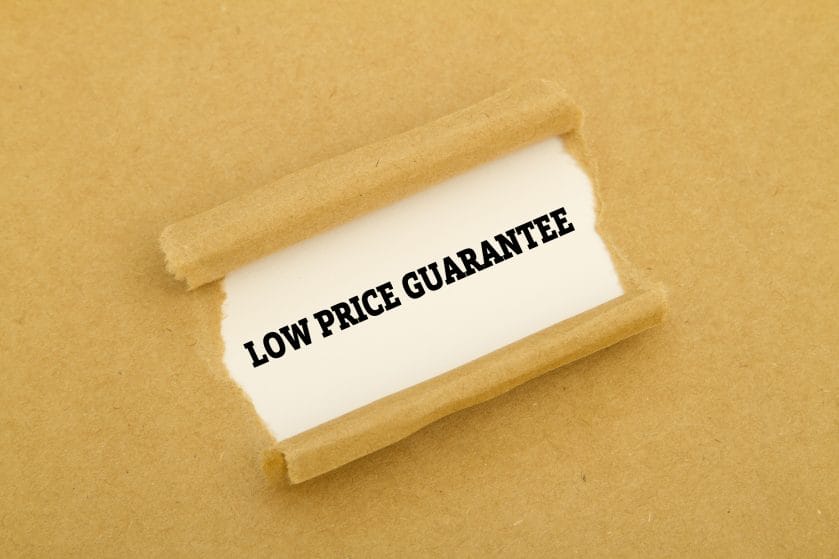

Image source: shutterstock.com

1. Walmart

Walmart has effectively ended in-store price matching for competitors. Their policy is now strictly “Walmart.com” matching. You can match a price found on their own website, but not a price from the grocery store down the street. Crucially, they do not allow you to use a coupon on an item that has been price-matched. It is an “either/or” scenario: take the online price or use your coupon on the store price.

2. Target

Target offers a robust price match guarantee, honoring prices from major competitors like Amazon and Walmart. However, the “coupon stack” is tricky. If you price match an item, you cannot use a “Target Circle” offer on top of it. You can, however, use a manufacturer’s coupon, but only if the coupon value does not bring the price below zero. The system will auto-adjust the coupon down, preventing any “overage” or cash back.

3. Best Buy (for Household Goods)

While primarily tech, Best Buy sells coffee pods, detergents, and snacks. Their “Price Match Guarantee” is one of the clearest: they match local retail competitors and major online sites. However, they strictly forbid using coupons on a price-matched item. If you find a lower price on coffee elsewhere, you get that price, but your $1.00 off coupon stays in your pocket.

4. Kroger (and affiliates)

Kroger generally does not price-match competitors. They rely on their own digital coupons to provide value. This policy simplifies the checkout but removes the leverage of using a competitor’s flyer. Their focus is entirely on “Personalized Prices” within their app, meaning the best deal is usually the one they offer you directly, not one you find elsewhere.

5. Publix

Publix is one of the few remaining chains that actively accepts competitor coupons, effectively serving as a price match proxy. In specific regions, they will accept a “dollar off total order” coupon from a competitor like Food Lion or Kroger. This allows for a unique stack where you can use a competitor’s store coupon alongside a manufacturer’s coupon at Publix. However, this policy varies wildly by district, so checking the local signage is mandatory.

6. Home Depot (for Cleaning Supplies)

Image source: shutterstock.com

Home Depot sells bulk cleaning supplies and paper goods. They offer a “Low Price Guarantee” where they will match a competitor’s price on an identical in-stock item. However, like others, they do not accept manufacturer coupons at all. This makes them a great place to price match, but a terrible place to coupon.

7. Staples (for Pantry/Breakroom)

Staples offers a “110% Price Match” policy, giving you the lower price plus an extra ten percent discount. This applies to breakroom snacks and coffee. It is a hidden gem for bulk grocery buyers. They do not accept coupons on matched items, but the extra ten percent discount often outweighs the value of a standard grocery coupon.

8. Dollar General

Dollar General does not price-match competitors. Their pricing model is fixed. However, they are unique in allowing you to “stack” a store digital coupon (like “$5 off $25”) with manufacturer coupons. This creates its own form of price matching where the aggregate savings beat the competitor’s unit price, even without a formal match policy.

9. Amazon (Fresh/Whole Foods)

Amazon does not offer price matching. Their prices are dynamic and change frequently. However, for Whole Foods shoppers, the “Prime Member Deal” is the equivalent of a price match. It offers an automatic extra ten percent off sale items (excluding alcohol). You cannot use external coupons at Whole Foods checkout, making the Prime discount the sole mechanism for lowering the shelf price.

The Strategy Shift

The era of “ad matching” is largely over. The modern strategy is to know which store allows manufacturer coupons on top of their own sales, rather than trying to force one retailer to honor another’s pricing.

Do you still try to price match, or is it too much hassle? Which store has the friendliest policy in your area? Share your tips!

What to Read Next

Did You Know Some Grocery Stores Will Price-Match Even After You Leave the Store?

Price-Matching Isn’t About You—It’s About Data Collection

9 Ways Price-Match Policies Can Be Less Helpful Than They Seem (And How to Navigate Them)

Where to Spend Your Coupons: 9 Chains That Maximize Specific Food Deals

12 Grocery Store Strategic Moves This Year That Affect Your Coupons

The post 9 Retailer Price-Match Policies That Affect How Coupons Combine in Cart appeared first on Grocery Coupon Guide.

Sign up to read this article
Read news from 100’s of titles, curated specifically for you.
Already a member? Sign in here
Related Stories
Top stories on inkl right now
One subscription that gives you access to news from hundreds of sites
Already a member? Sign in here
Our Picks
Fourteen days free
Download the app
One app. One membership.
100+ trusted global sources.