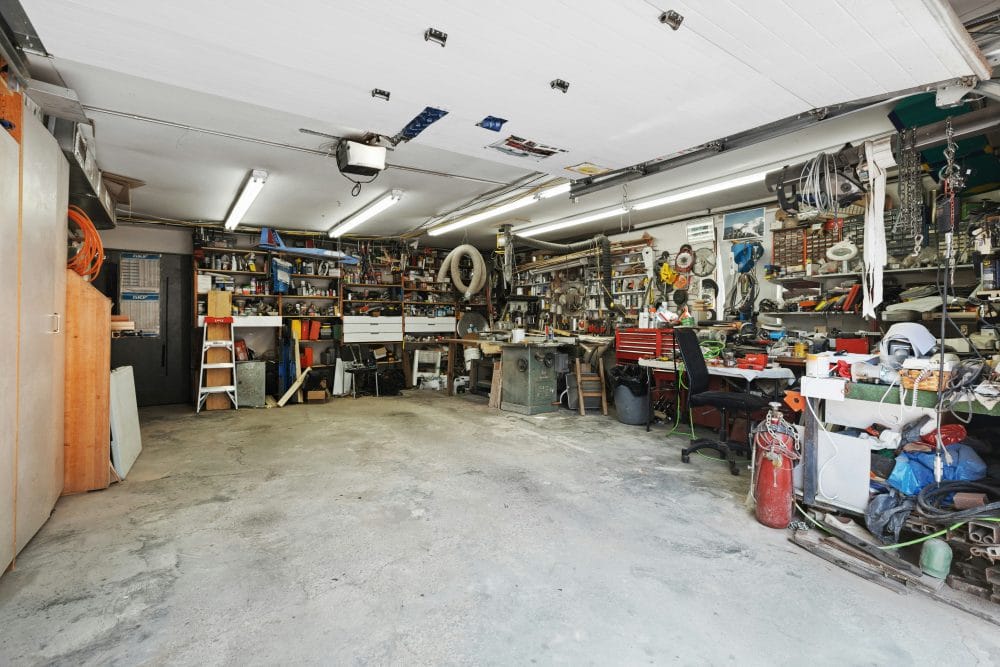
We all treat our garage like a giant junk drawer. It is the place where we toss everything that doesn’t fit inside the house, assuming it will be safe until we deal with it later. However, that mindset can be incredibly dangerous. Many common household items become volatile when stored improperly, especially in a space that isn’t climate-controlled. Unfortunately, a single spark in a cluttered garage can turn into a disaster within minutes. You might be sleeping soundly while a chemical reaction is brewing just a few feet away. Here are nine items in your garage that are fire hazards waiting to happen.
Oily Rags in a Pile
This is perhaps the most surprising danger on the list. If you have ever stained furniture or varnished a deck, you likely have a pile of oil-soaked rags lying around. Surprisingly, these rags can spontaneously combust as the oil dries and generates heat. Because the heat has nowhere to escape in a pile, it builds up until it ignites the fabric. Therefore, you should always hang them outside to dry individually or store them in a sealed metal container filled with water.
Old Cans of Paint and Thinner
We all have that stack of half-empty paint cans from a renovation we finished five years ago. While latex paint is generally safe, oil-based paints and thinners are highly flammable. Furthermore, the metal cans can rust over time, allowing vapors to escape and pool on the floor. If a pilot light from a water heater ignites these fumes, the result is explosive. Consequently, it is safer to dispose of these chemicals responsibly rather than hoarding them.
Propane Tanks for the Grill
It seems convenient to keep the spare propane tank next to the lawnmower, but it is a major risk. If the seal on the valve leaks even a tiny amount, gas can accumulate in the enclosed space. Unlike natural gas, propane is heavier than air and sinks to the floor, creating a silent, invisible trap. Ideally, these tanks should be stored outdoors in a well-ventilated area, away from direct sunlight.
Overloaded Extension Cords
Garages often lack enough outlets, so we compensate with daisy-chained extension cords. However, plugging a freezer, a power drill, and a radio into one strip is asking for trouble. Extension cords are meant for temporary use, not permanent wiring. Over time, the constant electrical draw can melt the insulation and cause a short circuit. Ultimately, if you need more power, hire an electrician to install real outlets.
Bags of Fertilizer
If you are an avid gardener, you probably have bags of ammonium nitrate fertilizer stacked in the corner. While it helps your tomatoes grow, it is also a powerful oxidizer. This means that if a fire starts from another source, the fertilizer will feed the flames and make them burn much hotter and faster. Separation is key here; specifically, keep these bags far away from any fuel sources like gasoline or oil.
Gasoline in Improper Containers
That red plastic can is a familiar sight, but is yours actually sealed tight? Gasoline vapors are incredibly volatile and can travel significant distances across the garage floor. Additionally, storing gas in milk jugs or glass jars is a recipe for disaster because these containers can degrade or break easily. You should only use approved containers with a flame arrestor, and never store more than you absolutely need.
9-Volt Batteries in a Drawer
We often toss old batteries into a bin to recycle later. However, 9-volt batteries have both terminals on the top, which creates a unique risk. If a paperclip, coin, or piece of steel wool touches both posts simultaneously, it creates a spark. This small spark can easily ignite the paper trash around it. To prevent this, simply place a piece of electrical tape over the terminals before tossing them in the bin.
Sawdust Piles
If you use your garage as a workshop, sawdust is likely covering every surface. While it looks harmless, suspended sawdust is highly combustible, much like gunpowder. A spark from a saw or a grinder can ignite the dust in the air, causing a flash fire. Therefore, a good dust collection system or regular sweeping isn’t just about cleanliness; it is a matter of survival.
Rodent Nests in Engines
Mice look for warm places to sleep in the winter, and car engines or lawnmowers are perfect targets. Unfortunately, they build their nests out of flammable materials like leaves, paper, and insulation. When you start the engine, the heat from the manifold can instantly light the dry nesting material on fire. As a result, checking under the hood of stored vehicles periodically is a smart safety habit.
Prioritize Prevention Over Storage
The garage should not be a ticking time bomb. While it is tempting to save every leftover screw and chemical, the risk simply isn’t worth it. Take a weekend to clear out the clutter and properly dispose of hazardous materials. Ultimately, knowing your home is safe from preventable fires provides peace of mind that no amount of storage space can buy.
Do you have any of these fire hazards sitting in your garage right now? Tell me which one you are clearing out first!
What to Read Next…
- 6 Garage Door Mistakes That Could Literally Put Your Life at Risk
- 8 Things Attract Thieves to Your Porch and Garage
- The Expenses of Getting a New Garage Door
- 8 Household Cleaning Products Linked to Lung Issues in Older Adults
- 10 Everyday Mistakes That Make Your Home a Magnet for Burglars
The post 9 Items in Your Garage That Are Fire Hazards Waiting to Happen appeared first on Budget and the Bees.