Shrinkflation is the stealthiest form of inflation affecting consumer spending today. This practice involves manufacturers reducing the size or quantity of a product. They achieve this while maintaining the original price point on the shelf. This subtle deception is strategically hidden by altering package shapes and reducing net weight. It allows corporations to boost profit margins without openly raising costs. Savvy shoppers must know where to look to spot these losses.
1. Dips and Spreads
The refrigerated dips and spreads aisle is a rapid shrinkflation zone. Containers for cream cheese, sour cream, and hummus frequently decrease in volume. Standard 16-ounce tubs are often quietly replaced with 14-ounce or 15-ounce versions. Manufacturers adjust the interior mold of the container. This makes the smaller size look visually comparable to the original.
2. Frozen Desserts
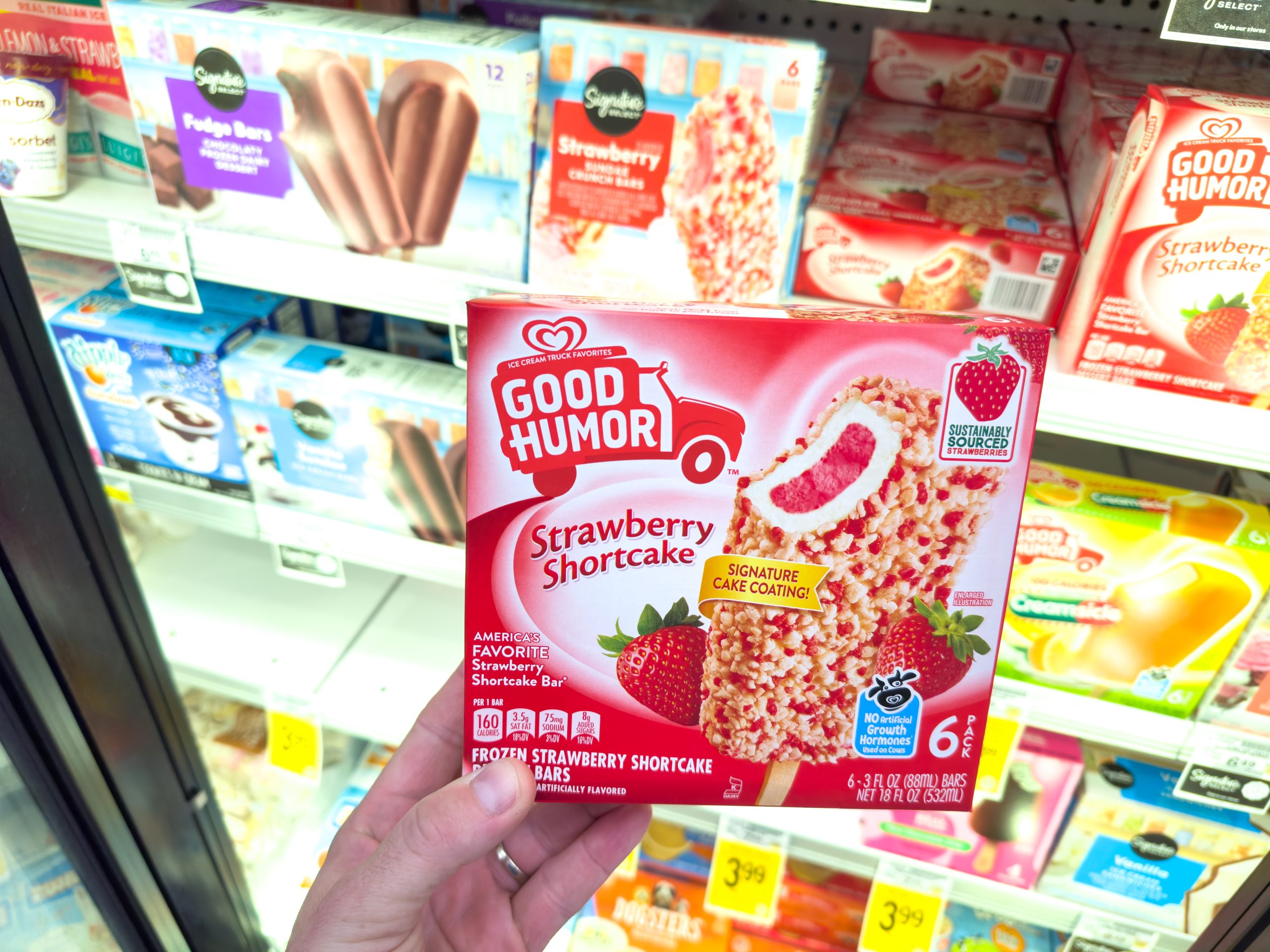
The frozen dessert aisle has seen dramatic reductions in recent years. Standard ice cream tubs are rarely a true half-gallon anymore. They have been reduced to 1.75 quarts or even 1.5 quarts. Boxes of novelty bars and ice cream sandwiches also see shrinkflation. They often contain one or two fewer items per box than they used to.
3. Chips and Salty Snacks
The snack food aisle is notorious for its deceptive packaging practices. Bags of chips and pretzels are often made taller but narrower. This change maximizes the illusion of size. Manufacturers also increase the amount of inert gas injected into the bag. This makes the bag look puffy and full, masking the significant reduction in net weight.
4. Ground Coffee and Tea
The coffee and tea aisle requires intense scrutiny from consumers. Bags of ground coffee are routinely reduced by half an ounce or a full ounce of weight. Boxes of teabags often contain two or four fewer bags than the box held previously. Manufacturers rely on consumers not checking the small print weight. This allows them to maintain the historical price point.
5. Cleaning and Laundry Detergents
The chemical aisle has been dramatically affected by shrinkflation. Liquid laundry detergent bottles are often made smaller but labeled as “concentrated.” This requires the consumer to use less product per load. However, the size reduction often exceeds the concentration increase. Bottles of dish soap and surface cleaners are also routinely downsized.
6. Canned Goods
Shrinkflation is now widespread in the canned goods aisle, extending beyond traditional items. The standard size for canned soups, vegetables, and beans has quietly dropped. Manufacturers transitioned from 15.5-ounce or 14.5-ounce cans to 13.5-ounce or 12-ounce cans. This reduction is hard to spot without a side-by-side comparison.
7. Condiments
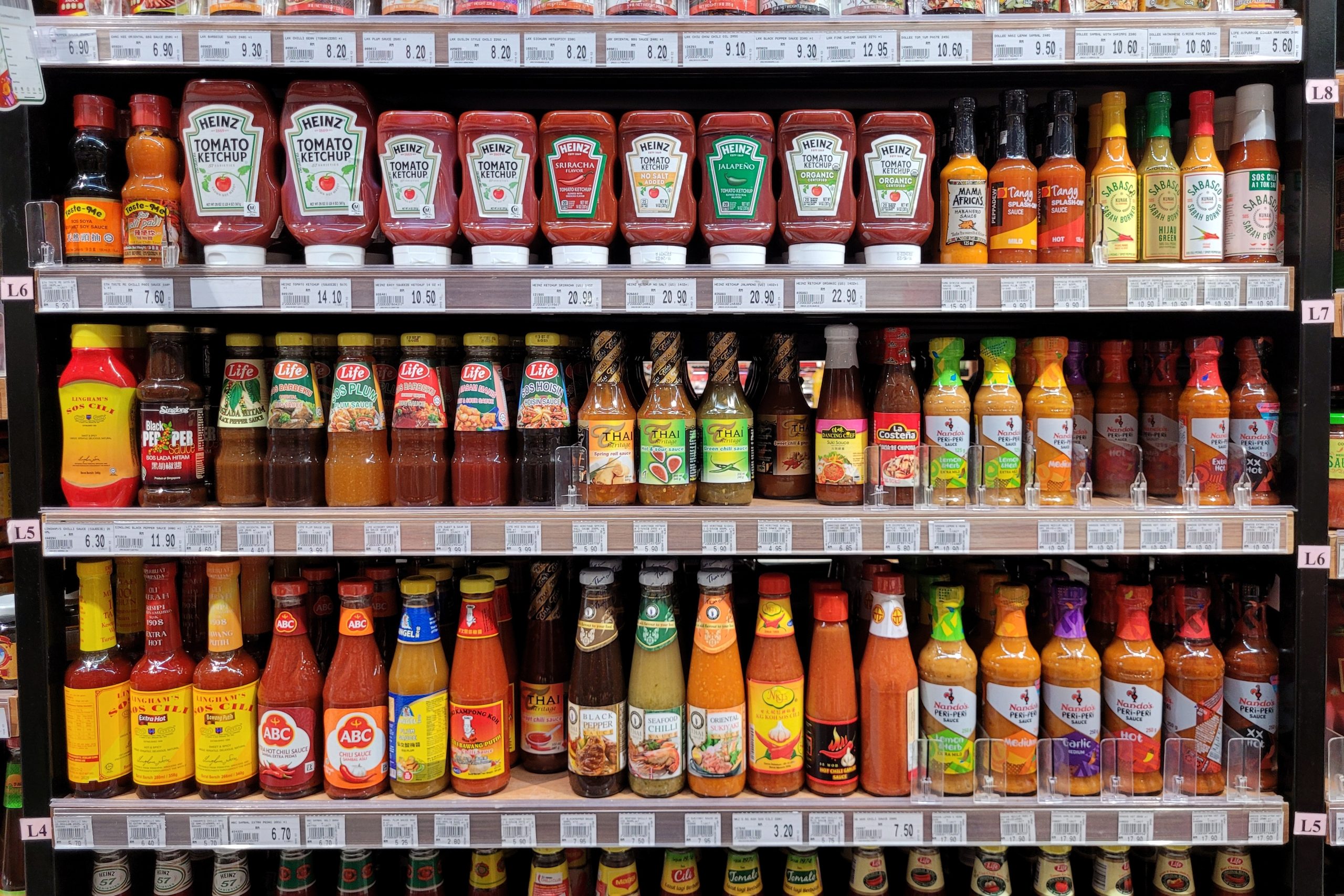
The condiment aisle, encompassing items like ketchup, salad dressing, and mustard, features subtle size cuts. Bottles are often redesigned with different neck shapes or smaller base diameters. This minimizes the volume without creating an obvious visual change on the shelf. The final effect is less product for the same cost.
8. Spices and Herbs
The spice and herb aisle is a frequent target for subtle reductions. Jars are often downsized while retaining the same cap diameter. The most common trick is the inclusion of a concave plastic piece at the bottom of the jar. This reduces the jar’s usable capacity while preserving the overall exterior height.
9. Pet Food
The pet food aisle has seen widespread reductions in bag sizes. Large bags of kibble are often reduced by half a pound to a full pound. Canned pet food portions are also routinely reduced by an ounce. This forces pet owners to purchase food more frequently. This drives up the effective annual cost of pet ownership considerably.
The Cost of Ignoring the Scale
Shrinkflation is a silent tax on consumer complacency. Shoppers must learn to ignore the size of the package and focus entirely on the net weight printed near the bottom of the label. The only reliable defense against this widespread deception is rigorous comparison of the unit price. Vigilance at the scale is the best way to protect your budget.
What to Read Next
- 8 Grocery Items That Quietly Changed Packaging to Hide Shrinkflation
- Shrinkflation Isn’t A Hoax — Grocery Items Are Smaller, Same Price, and You’re Paying More Anyway
- 10 Brands That Sneak Shrinkflation Into Every Package
- Is Shrinkflation a Real Thing or Just a Coincidence?
- Why Arizona Shoppers Are Reporting New “Shrinkflation” Scams at Self-Checkout
The post 9 Grocery Aisles Where Shrinkflation Is Happening Fastest appeared first on Grocery Coupon Guide.