
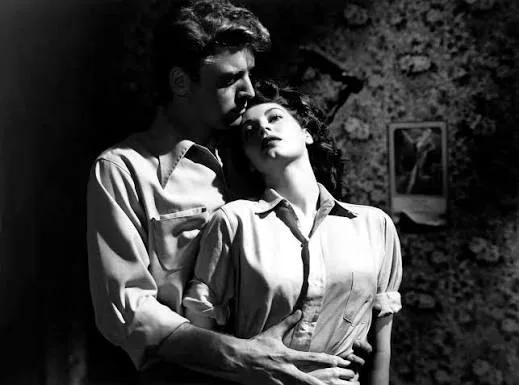
Hollywood’s affection for sensationalized criminal exploits has long been a part of America’s steady cinematic diet, in part because of how the crime genre allows creators to explore real human drama in exaggerated, but entirely plausible, situations. For as heinous as the actions of Walter White or Tony Montana may be, they’re compelling characters because we see some of ourselves within them.
The draconian moral restrictions of the Motion Picture Production Code (better known as the Hays Code) reigned supreme from its introduction in 1934 until its gradual decline in the mid-50s, and while it certainly constrained the crime film, the genre still thrived in the form of film noir. In stark black-and-white, the classics of the movement explored morally grey characters — often lawbreakers and social miscreants — during an era where legislation demanded that on-screen criminals must always be punished. But filmmakers like Billy Wilder, Alfred Hitchcock, and more pushed the Code to its absolute limits. And in 1946, director Robert Siodmak used a short story by Ernest Hemingway as a springboard for a stone-cold classic that invites viewers to empathize with the desperation and bitter mistakes that turn into a life (and death) outside the law.














