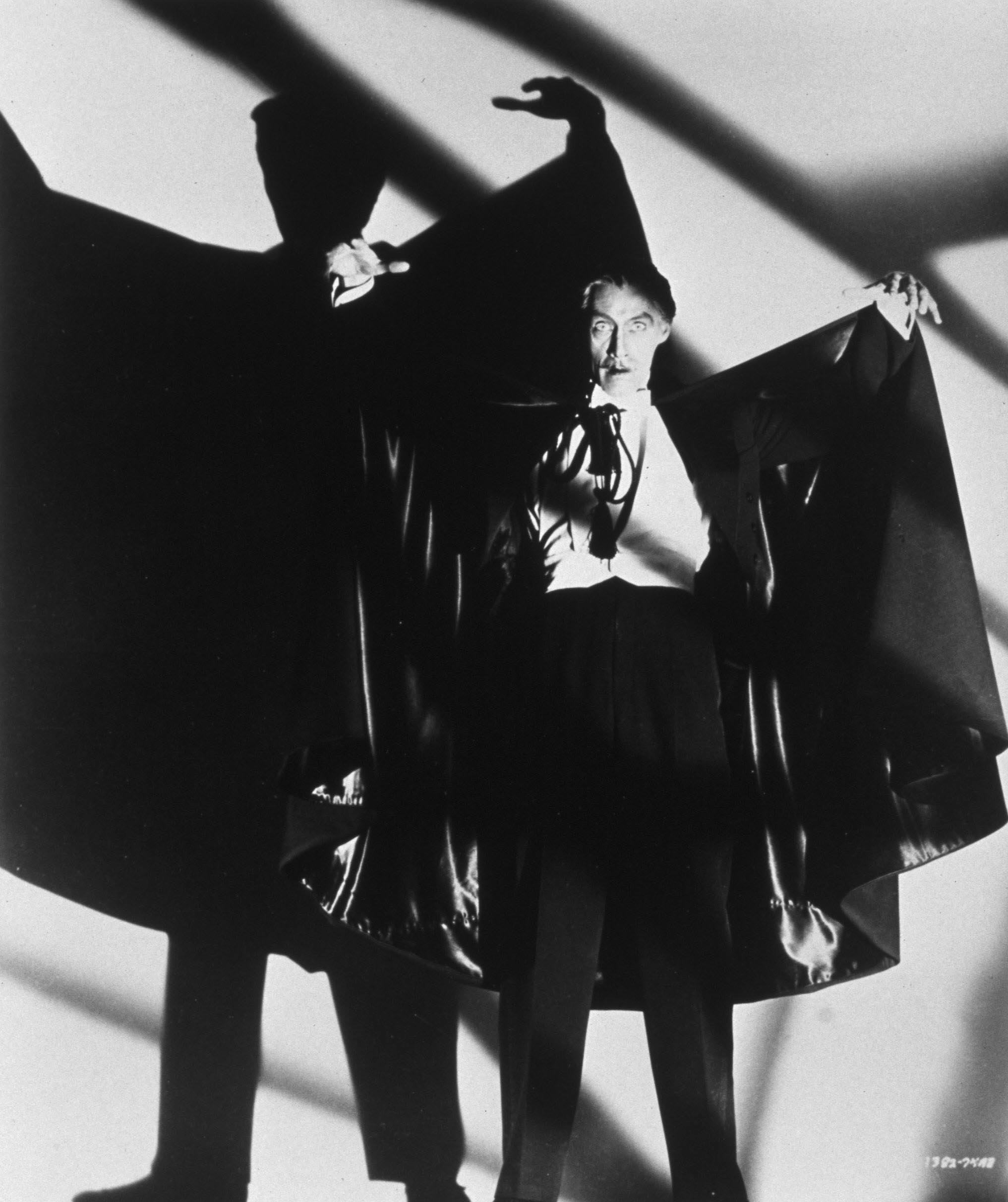
From 1923 until the 1940s, Universal Pictures was home to the first durable horror franchise in cinema history. The most famous era of the Universal Classic Monsters, as we call them now, arguably kicked off in ‘23 with The Hunchback of Notre Dame, followed two years later by The Phantom of the Opera. But it came into its own in 1931 with the double whammy of Dracula and Frankenstein, unleashing a flood of like-minded titles that either introduced new monsters (The Mummy, The Wolf Man), sequelized the original hits (The Bride of Frankenstein), or offered up fresh genre tales in much of the same style (The Black Cat).
By the mid-‘40s, however, as World War II gripped the world, the Universal Classic Monsters began to wear out their welcome. In a bid to spruce up the franchise, Universal turned it into a shared universe, starting with 1943’s Frankenstein Meets the Wolf Man, a seminal pairing of two of its most recognizable creatures. That was followed in short order by House of Frankenstein (1944) and, finally, House of Dracula (1945), a film that marked the end of the studio’s roster of monsters as a (relatively) serious filmmaking franchise.