Get all your news in one place.
100’s of premium titles.
One app.
Start reading
Everybody Loves Your Money
Brandon Marcus

8 Ways Tariff-Driven Inflation Could Be Sabotaging Your Everyday Purchases

Image Source: shutterstock.com

Inflation already feels like an invisible pickpocket, quietly lifting dollars from your wallet while you’re distracted by daily life. Now add tariffs to the mix, and that pickpocket suddenly has backup, working behind the scenes to make ordinary purchases more expensive than they need to be. Tariff-driven inflation doesn’t usually announce itself with a flashing warning sign or a line item on your receipt. Instead, it hides inside higher prices, fewer options, and subtle changes to the products you rely on.

From groceries to gadgets, tariffs can ripple through the economy in ways that hit consumers faster than most people expect. Understanding how this happens is the first step toward spotting where your money is quietly leaking away.
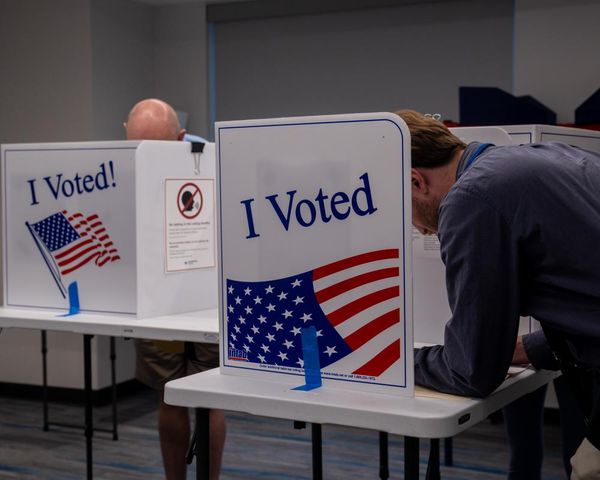
1. Higher Prices On Imported Everyday Goods

When tariffs are placed on imported products, companies often pass those added costs directly to consumers. Items like clothing, electronics, kitchen tools, and even furniture can suddenly cost more without any improvement in quality. Retailers rarely label these increases as “tariff-related,” so shoppers may blame inflation in general rather than the specific policy behind it. Over time, these small price bumps add up, especially for households that rely on affordable imported goods. What feels like a few extra dollars here and there can quietly become hundreds over the course of a year.

2. Domestic Prices Rising Without Competition

Tariffs don’t just affect imports; they also reshape the entire competitive landscape. When foreign competitors are priced out or weakened by tariffs, domestic producers face less pressure to keep prices low. This reduced competition can allow local companies to raise prices simply because consumers have fewer alternatives. In theory, tariffs protect domestic industries, but in practice, consumers often pay the price. The result is higher costs even for products made entirely at home.

3. Grocery Bills Inflated By Global Supply Chains

Many people assume tariffs only affect finished goods, but food prices are deeply tied to international trade. Ingredients, packaging materials, fertilizers, and agricultural equipment are often imported and subject to tariffs. When those costs rise, food producers and grocery stores adjust prices to protect their margins. That means staples like bread, meat, canned goods, and snacks can creep upward in price. Shoppers may notice their grocery carts getting more expensive even when buying the same brands week after week.

Image Source: shutterstock.com

4. Shrinkflation Masking The Real Cost

When companies hesitate to raise sticker prices, they often turn to shrinkflation instead. Products quietly get smaller, lighter, or less durable while costing the same as before. Tariff-driven cost increases make this strategy more appealing to manufacturers trying to stay competitive. Consumers may not immediately notice the change, but over time they’re paying more per ounce, per use, or per serving. This hidden inflation can be just as damaging as a visible price hike.

5. Delayed Innovation And Fewer Features

Tariffs can discourage companies from investing in new designs, features, or technologies. When costs rise due to import taxes on components or materials, businesses often shift focus from innovation to cost-cutting. That can mean fewer upgrades, slower improvements, or stripped-down versions of products. Consumers end up paying more for items that feel stagnant or outdated. In the long run, this slows progress and reduces the value shoppers get for their money.

6. Service Costs Rising Alongside Goods

Even services are not immune to tariff-driven inflation. Many service-based businesses rely on imported equipment, tools, parts, or technology to operate efficiently. When those inputs become more expensive, service providers often raise their rates to compensate. This can affect everything from car repairs and home renovations to healthcare equipment and digital services. The result is a broader inflationary effect that stretches far beyond store shelves.

7. Budget Brands Losing Their Edge

Tariffs often hit low-cost manufacturers the hardest, especially those that rely heavily on global supply chains. Budget brands may be forced to raise prices or cut corners to survive. As a result, the price gap between premium and budget options narrows, reducing real choice for consumers. Shoppers who depend on affordable alternatives feel the impact first and most sharply. What once felt like a smart, economical choice can suddenly strain a tight budget.

8. Long-Term Inflation Expectations Becoming Normalized

One of the most subtle effects of tariff-driven inflation is psychological. When higher prices stick around, consumers and businesses begin to accept them as the new normal. Companies may preemptively raise prices, expecting future costs to increase as well. Workers then demand higher wages to keep up, feeding the broader inflation cycle. Over time, tariffs can help lock in a higher cost of living that becomes difficult to reverse.

The Hidden Costs Lurking In Plain Sight

Tariff-driven inflation doesn’t just live in economic reports or political debates; it shows up in shopping carts, monthly bills, and everyday decisions. By understanding how tariffs influence prices, competition, and product quality, consumers can become more aware of where their money is really going. Awareness won’t instantly lower prices, but it can change how people shop, vote, and plan their finances. Everyday purchases tell a bigger story about trade, policy, and unintended consequences.

If you’ve noticed surprising price changes or subtle product shifts, you’re not alone, and your experiences matter—drop your thoughts or stories in the comments section below.

You May Also Like…

Here’s What Temu and Shein Are Doing To Combat Tarrifs

5 Foods That Are Disappearing From Grocery Stores Due to Tarrifs

8 Government Websites Designed to Mislead Citizens

What Local Governments Are Doing With Unused Burial Plots

10 Hidden Fees Banks Don’t Want Retirees to Notice


The post 8 Ways Tariff-Driven Inflation Could Be Sabotaging Your Everyday Purchases appeared first on Everybody Loves Your Money.

Sign up to read this article
Read news from 100’s of titles, curated specifically for you.
Already a member? Sign in here
Related Stories
Top stories on inkl right now
One subscription that gives you access to news from hundreds of sites
Already a member? Sign in here
Our Picks
Fourteen days free
Download the app
One app. One membership.
100+ trusted global sources.