Get all your news in one place.
100’s of premium titles.
One app.
Start reading
Grocery Coupon Guide
Travis Campbell

8 Ways Supermarkets Are Cutting Corners While Raising Prices

Image source: shutterstock.com

Supermarket shrinkflation keeps spreading, and the signs aren’t subtle. Prices rise while packages shrink, and the changes often hide behind familiar labels. Shoppers pay more for less, and the savings that once softened grocery bills keep fading. The shift feels small in the aisle, but it hits hard at checkout. Consumers need clarity on what’s happening because the tactics keep expanding into new corners of the store.

1. Smaller Packages at the Same Price

Supermarket shrinkflation shows up first in the snack aisle. Boxes look identical, but the net weight drops by an ounce or two. Companies keep the branding intact, which makes the difference easy to miss. And the price tag rarely reflects the change. The practice spreads beyond chips and cereal into frozen meals, pasta, and even cleaning supplies. It’s a quiet method of raising prices without admitting it outright.

2. Thinner Cuts of Meat

Meat departments have trimmed more than fat. Cuts once thick and sturdy now arrive noticeably thinner. A pound stays a pound, but the pieces feel stretched. That pushes customers to cook more quickly, which can lead to uneven results or overcooked meals. It also encourages buying multiple packages. Supermarkets present it as variety, but it fits a broader pattern tied to supermarket shrinkflation.

3. Downsized Prepared Foods

Prepared foods offer convenience, but the portions have shrunk. Rotisserie chicken containers look the same, but the birds inside weigh less. Side dishes now come in shallower trays. Even salad bars have reduced scoop sizes while raising per-pound costs. The combination allows stores to cut ingredient spending while elevating the price of convenience.

4. Lower-Quality Store Brands

Store brands once carried a reputation for value. That value has eroded in subtle ways. Some supermarkets switched to cheaper ingredients, thinner packaging, or less precise production standards. The products still cost less than national brands, but the gap has narrowed as quality slips. Many shoppers assume the store brand is the safer deal, yet the savings often fail under closer inspection.

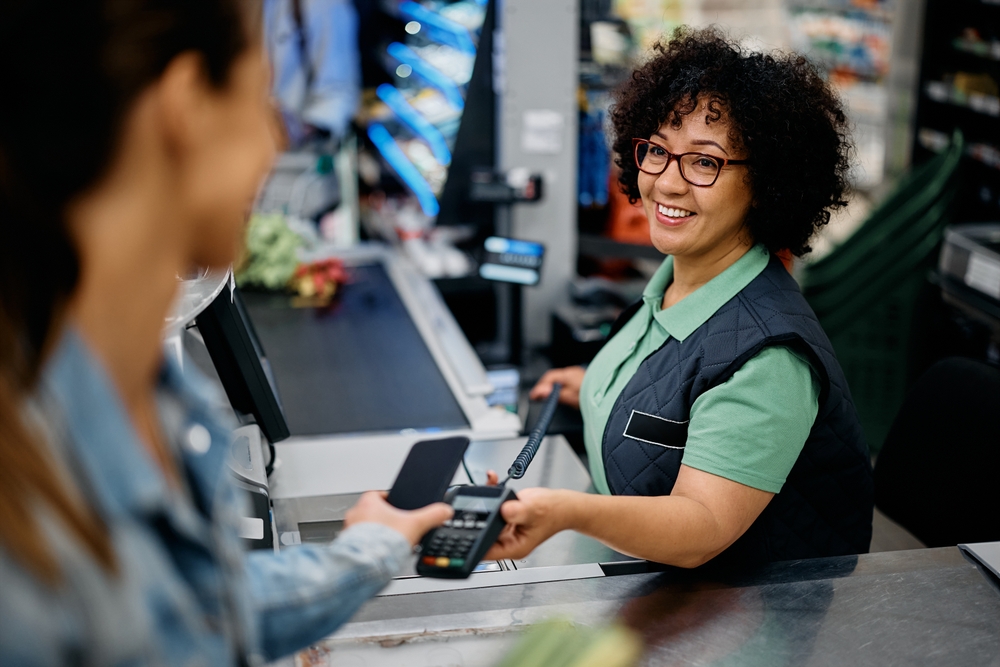
5. Fewer Cashiers, More Self-Checkout

Labor cuts show up on the front end. Fewer lanes open. Longer waits. Self-checkout machines replace employees, shifting the work to customers. Shoppers bag their own groceries, troubleshoot machine errors, and wait for ID checks on simple items. But the prices don’t drop to reflect the reduced service. The store saves money while the customer invests more time.

6. Reduced Variety on Shelves

Supermarkets quietly scale back inventory. Niche flavors disappear. Smaller brands lose shelf space. Entire categories shrink to a few top sellers. Fewer options mean less comparison shopping, which limits competition. Prices stay elevated because customers no longer see the cheaper alternatives. The result is a cleaner-looking shelf that hides the real motive: cutting costs while steering purchases toward higher-margin products.

7. More Private-Label Placement

Private-label items now dominate eye-level shelves. Stores position them to look like national brands, matching colors and fonts. The strategy pushes customers toward house products that cost less to produce but bring in higher margins. That reshaping of the aisle doesn’t always benefit the shopper, especially when supermarket shrinkflation and ingredient downgrades mix with aggressive placement.

8. Higher Prices on Essentials, Quiet Discounts on Extras

Milk, bread, eggs, and produce often carry the steepest price hikes. These essentials form the backbone of weekly shopping. At the same time, stores offer minor promotions on nonessentials—candles, kitchenware, seasonal snacks. The discounts create a sense of savings while the core bill climbs. It’s a strategy that relies on habit. Customers buy the essentials no matter what, so those become the profit centers.

How Shoppers Can Push Back

Supermarket shrinkflation isn’t going away, but shoppers still hold leverage. Reading unit prices cuts through the confusion. Comparing weights and sizes across brands exposes the hidden differences. Bulk sections often break the cycle by offering straightforward pricing without elaborate packaging tricks. And when stores see consistent buying patterns shift, they adjust.

Awareness changes the math. The tactics work only when customers overlook them, and the moment shoppers start paying attention, the corner-cutting loses power.

How have you seen supermarkets cutting corners in your area?

What to Read Next…

The post 8 Ways Supermarkets Are Cutting Corners While Raising Prices appeared first on Grocery Coupon Guide.

Sign up to read this article
Read news from 100’s of titles, curated specifically for you.
Already a member? Sign in here
Related Stories
Top stories on inkl right now
One subscription that gives you access to news from hundreds of sites
Already a member? Sign in here
Our Picks
Fourteen days free
Download the app
One app. One membership.
100+ trusted global sources.