We’re trained to see store displays as helpful signposts, designed to point us toward a good deal or a new product. But in reality, most displays aren’t maps; they’re billboards. Their primary job isn’t to help you—it’s to interrupt your shopping mission, break your concentration, and convince you to buy something you didn’t have on your list. Many are intentionally confusing, designed to make you stop, look, and make a purchase.
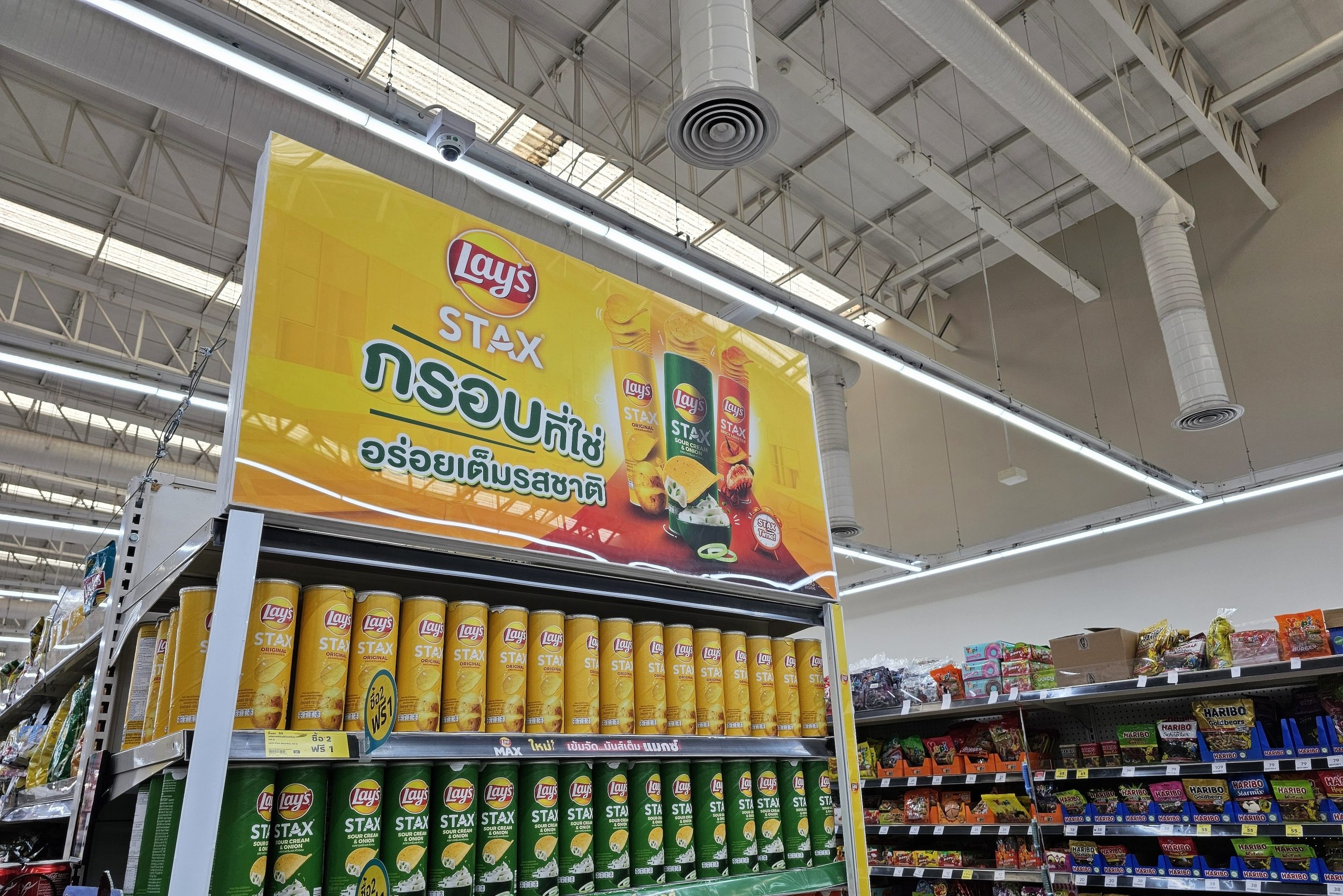

The Endcap: “This Must Be a Sale”
The display at the end of the aisle is the most valuable real estate in the store. We have been trained to stop at endcaps, assuming everything placed there is on sale. This is a trap. Brands pay a premium to have their products featured there, often at their regular, full price. They are betting you’ll see the big display, assume it’s a “deal,” and throw it in your cart without checking.
The Pallet “Speed Bump”
You see it from two aisles away: a giant pallet of soda, paper towels, or potato chips sitting in the middle of a main walkway. This isn’t just a restock; it’s a “speed bump.” It’s designed to stop the flow of traffic, slow you down, and force you to navigate around it. The goal is to break your “autopilot” shopping and make you look at the product, which is often a high-margin, brand-name item.
The “Cross-Merchandising” Trap
This display feels helpful, but it’s a pure upsell. You see a small display of salad dressing next to the lettuce, a rack of chips and salsa next to the beer, and croutons and bacon bits in the produce aisle. This isn’t for convenience; it’s to plant a suggestion. You were buying lettuce, but now you’re thinking you “need” the $6 premium dressing, too.
The “Limit 5 Per Customer” Sign
The sign itself is the display. When you see a limit, your brain doesn’t think, “Oh, they are trying to be fair.” It thinks, “This deal must be so good that people are hoarding it! I’d better stock up!” This false scarcity is designed to confuse your sense of value. It encourages you to buy the full limit of five, even if you only need one.
The “Was/Now” Price Mirage

This display tricks you with psychology, not placement. The sign screams “Sale: $7.99! Was: $9.99!” That $2.00 savings looks great. But that “$9.99” is an “anchor price” that is often fictional. The store may have sold the item at that inflated price for just a few days to legally claim it was the “regular” price. The $7.99 isn’t a “sale”; it’s the real price, and the display is just there to confuse you into thinking you won.
The “Bunker” or “Island”
This is a standalone freezer or shelf, often in a “random” spot like the front of the store or in a wide aisle. It’s filled with new, seasonal, or clearance items. It’s designed to confuse you by breaking the store’s pattern. You stop out of pure curiosity—”What is this?”—and are drawn into browsing. It’s an “interruption” display, and it’s highly effective at selling items you never knew existed.
The Checkout Aisle Gauntlet
This is the most famous trap display. The entire lane is a display designed to confuse your “frugal” brain. You’ve finished your disciplined shop, and your guard is down. The store presents you with a gauntlet of low-cost, high-margin impulse buys: candy, magazines, cold sodas, and gum. They’re betting on your “waiting in line” boredom and your desire for a “small treat.”
The “Seasonal” Aisle Maze
That giant, ever-changing section of holiday candy, backyard grilling gear, or back-to-school items is a deliberately confusing maze. It’s never in the same place, and its contents are always changing. The goal is to get “lost” in a fun way. You wander in to look for one thing and find dozens of colorful, tempting, and completely unnecessary items surrounding you.
They Are Billboards, Not Signposts
The next time you shop, see these displays for what they are. They are not helpful guides; they are in-store advertisements. Their goal is to sell, not to serve. The best way to beat them is to stick to your list, check the unit price, and ask yourself, “Did I come here to buy this, or did the display just tell me to?”
What to Read Next
- How Grocery Stores Use End-Of-Aisle Displays to Trick You Into Extra Purchases
- 7 Checkout Displays That Push Junk Items Daily
- 8 Endcap Displays That Rarely Mean Real Savings
- What Grocery Stores Hope You Never Notice About Their Pricing Displays
- 10 Grocery Items That Vanish Right Before a Holiday Weekend
The post 8 Store Displays That Are Meant to Confuse You, Not Help You appeared first on Grocery Coupon Guide.