Snack marketing has gotten smarter—and sneakier. Those colorful, single-serve bags that look like great deals often cost more per ounce than their full-sized versions. What seems like a small, budget-friendly treat can quietly drain your wallet when multiplied over time. Families, students, and office workers grab these items for convenience without realizing the hidden cost. Understanding which snack sizes are truly worth it and which ones aren’t can help you save money while still satisfying your cravings.

1. “Fun Size” Candy Bars
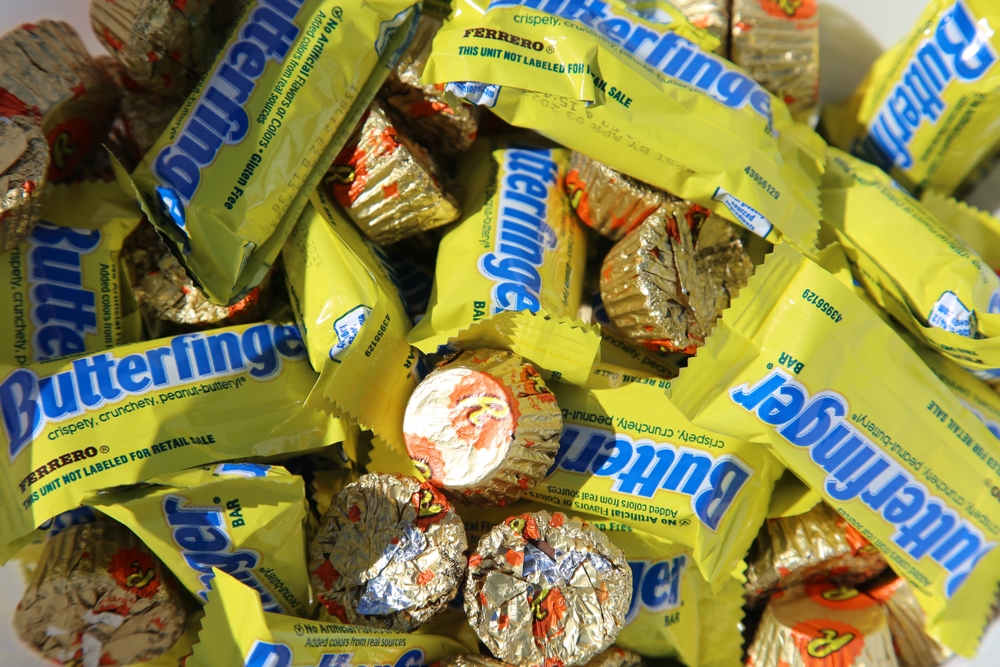
Among the most misleading snack sizes, fun-size candy bars are some of the biggest culprits. Sold in bulk bags or checkout bins, they appear affordable, but the cost per ounce is often double that of a regular bar. Retailers bank on nostalgia and portion control to justify higher markups. The packaging also adds to production costs, which companies pass along to consumers. Buying a full-size bar and splitting it into smaller portions at home is usually far more economical.
2. Mini Chip Bags
Those small chip bags sold in convenience stores or multi-packs seem handy for lunches or travel, but they’re rarely a deal. The price per ounce can be 50% to 100% higher than a standard bag. Retailers know customers are willing to pay more for portability and portion control. Over time, these small splurges make snack budgets balloon. Buying a family-sized bag and portioning it into reusable containers is the smarter move for both your wallet and the planet.
3. Single-Serve Nut Packs
Nut companies have perfected the art of packaging snack sizes that seem healthy and convenient but aren’t budget-friendly. A handful of almonds or cashews in an individually wrapped pouch often more than twice as much per ounce than larger packages. The convenience of pre-measured servings doesn’t justify the steep markup. Plus, those tiny packs often contain more salt and added oils than the raw versions. Buying bulk nuts and dividing them into small bags at home can cut the cost by more than half.
4. Vending Machine Snacks
Vending machines are where snack sizes and prices go completely out of balance. You’re paying for accessibility, not value. A small bag of pretzels or cookies might cost $2.50, even though a full-size version in a grocery store costs less than half that. The problem is that vending machine pricing plays on impulse and convenience. Keeping a small stash of snacks at work or in your car is an easy way to avoid these high markups.
5. Travel-Size Jerky Packs
Beef jerky and protein snacks have exploded in popularity, but their single-serve versions are among the most expensive snack sizes on the market. A small bag can cost nearly as much as a full-size one, even though it contains less than half the amount. Manufacturers know health-conscious consumers will pay a premium for perceived convenience and protein content. Unfortunately, the packaging waste and inflated prices don’t justify the purchase. Buying a larger bag and resealing it in portions keeps the cost manageable and the freshness intact.
6. Movie Theater Portions
At the concession stand, snack sizes become an illusion altogether. That “small” popcorn or soda can cost more than an entire box of microwave popcorn or a 12-pack of cans. The theater markup is based on limited options and the captive audience effect. Families can easily spend $30 or more on snacks that would cost less than $10 if bought ahead of time. Bringing your own snacks (where allowed) or eating before the movie can save a small fortune over time.
7. Single-Serve Yogurt Cups
Yogurt cups are marketed as healthy, convenient snack sizes, but they’re another example of sneaky pricing. A four-ounce cup can cost the same as an entire quart of plain yogurt. Flavored and dessert-style versions tend to carry even higher markups due to added packaging and marketing. You can save significantly by buying a larger container and adding your own fruit or granola. It’s not only cheaper but also healthier since you control the sugar content.
8. Airport Snack Packs
No place exposes the true cost of convenience like the airport. Snack sizes sold in terminals are inflated beyond belief, with small bags of trail mix or chips costing up to $8. Travelers often justify the expense due to limited time and options. But that “travel-friendly” portion is typically a third the size of what you’d get for the same price elsewhere. Packing your own snacks before a flight is one of the easiest ways to avoid unnecessary spending.
Smart Shopping Means Looking Beyond the Label
The truth about snack sizes is that convenience almost always comes at a cost. While small packages seem cheaper upfront, the per-ounce pricing tells a very different story. Companies rely on busy consumers to overlook the math, but a little awareness goes a long way. Buying in bulk, portioning snacks yourself, and comparing unit prices can save you hundreds each year. When it comes to snack spending, size really does matter—especially for your wallet.
Have you noticed snack sizes getting smaller while prices go up? Share your money-saving snack strategies in the comments below.
What to Read Next…
- 10 Snack Bags Where the “Air” Is Now the Main Ingredient
- 9 Packaged Snacks That Quietly Changed Ingredients To Cut Costs
- 6 Theme Park Snacks That Are Marked Up More Than Jewelry
- 10 Airport Snacks That Cost Triple But Travelers Still Buy
- 10 Snacks That Have Doubled in Price Since 2020
The post 8 Snack Sizes That Appear Cheap but Aren’t appeared first on Grocery Coupon Guide.