Get all your news in one place.
100’s of premium titles.
One app.
Start reading
Grocery Coupon Guide
Travis Campbell

8 Signs You’re Paying for Convenience Without Realizing It

Image source: shutterstock.com

Convenience shapes daily routines more than most people realize. It smooths over stress, buys back a little time, and promises ease. But the cost often hides in plain sight. Paying for convenience becomes a pattern that drains budgets quietly, not through one big decision, but through small habits stacked over months. Spotting those habits matters because they reveal where money slips away without intention.

1. You Buy Precut or Prepped Produce

Precut fruit, peeled garlic, trimmed vegetables. Small packages lined up under bright lights. Each one charges a silent premium. The math is simple: the more someone else handles your food, the more you pay for convenience. A head of lettuce costs less than the same lettuce shredded and packed in a bag. Those differences add up fast when they become routine purchases.

The appeal makes sense. No chopping. No cleanup. But the price gap widens with every layer of prep. When the choice is speed over cost, you’re paying extra for minutes you might not even need to save.

2. You Depend on Single-Serve Portions

Single-serve yogurt, snack packs, microwaveable rice bowls. They fit neatly in lunch bags and promise instant access. But portioned food shifts money from your pocket to packaging and production lines. The unit price skyrockets, even though the ingredients stay the same.

It’s another quiet form of paying for convenience. Bulk bags offer the same food for a fraction of the cost. The trade-off is a few seconds of scooping or measuring—work that rarely justifies the premium.

3. You Shop Mostly at Small Neighborhood Stores

Corner stores and mini-marts sit close, stay open late, and rarely have lines. They’re built for speed, not savings. Shelf prices climb because these stores shoulder higher operating costs and rely on quick-turn buys from people in a rush.

When most grocery runs happen here, paying for convenience becomes a daily habit. The markup isn’t always dramatic on individual items, but it spreads across the whole basket. The difference between convenience-store prices and supermarket prices shows up fastest in weekly totals.

4. You Choose Takeout Over Basic Cooking

Takeout doesn’t just cover ingredients. It covers labor, packaging, delivery systems, and platform fees. The bill reflects that entire chain. Cooking at home costs less almost every time, even when meals are simple.

Ordering food feels harmless when it happens occasionally. But when takeout slips into regular rotation—especially for routine meals—paying for convenience becomes its own budget category. And it grows quietly until the numbers look startling.

5. You Buy Coffee or Drinks Instead of Making Them

A daily drink run turns into one of the easiest ways to overspend without thinking. Coffee shops sell skill, atmosphere, and immediacy. None of that comes cheap. Brewing at home takes minutes, but most people underestimate how much they pay for convenience the moment they step into a café.

Even modest orders stack into triple digits by the end of a month. That’s the power of repetition. A few dollars at a time doesn’t feel like overspending, but the cumulative cost tells a different story.

6. You Frequently Use Delivery Apps

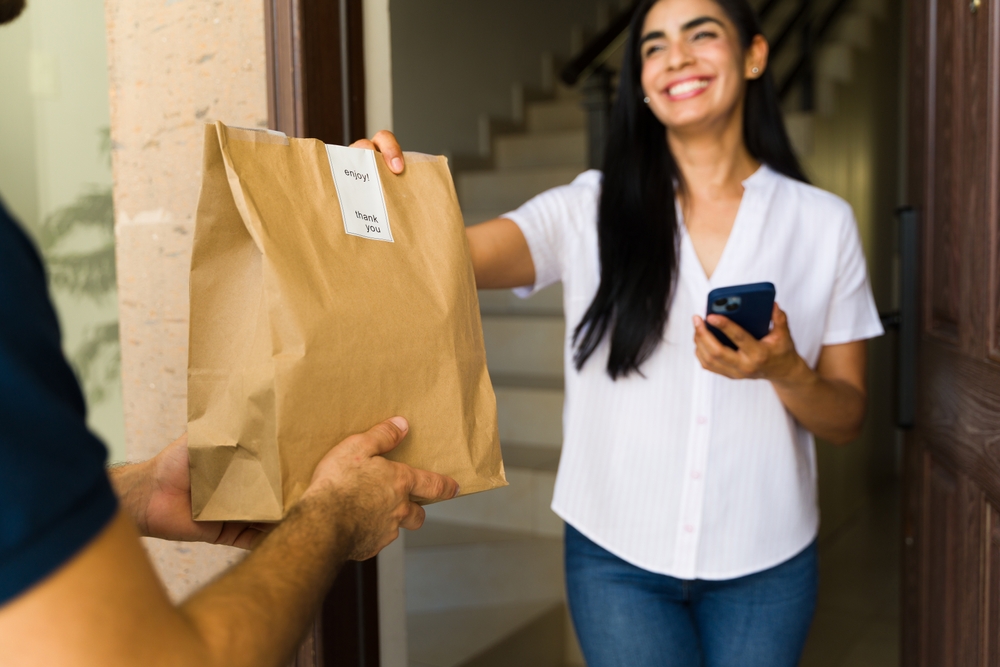
Delivery platforms charge service fees, delivery fees, and hidden markups that appear only after checkout. Restaurants often raise menu prices on these apps, too. It’s a layered system designed to monetize urgency.

When you rely on delivery for groceries, takeout, or essentials, you’re paying for convenience at every step. That premium grows even larger when surge pricing or peak-time fees hit. And because it’s bundled into digital receipts, the true cost rarely lands with the impact it deserves.

7. You Buy Disposable Versions of Reusable Items

Paper plates, disposable wipes, and single-use cleaning pads. All fast. All easy. But the convenience premium mirrors the waste stream. Reusable versions last through dozens or hundreds of uses, dropping the cost per use dramatically.

Disposable products offer immediate payoff with long-term expense. The cycle continues until someone intentionally breaks it. That’s the nature of convenience spending—it thrives in autopilot mode.

8. You Choose Brand-Name Staples Without Checking Alternatives

Brand loyalty forms early and quietly. Familiar labels win the shelf battle by promising reliability, but many staples share nearly identical ingredients across brands. Store brands often cost significantly less. The price difference is the cost of comfort, not quality.

Skipping the comparison is another way of paying for convenience. It’s quicker to grab the same item every time. But that speed erases opportunities to cut recurring expenses.

Where Convenience Spending Hides in Everyday Choices

Convenience isn’t the enemy. It’s a tool. But paying for convenience without realizing it turns budgets rigid and unpredictable. Small choices shape spending patterns more than big ones, especially when those choices repeat across weeks and years.

Looking closely at habits exposes where money leaks through routine transactions. Once those leaks become visible, they’re easier to patch. What signs of convenience spending have you noticed in your own routines?

What to Read Next…

The post 8 Signs You’re Paying for Convenience Without Realizing It appeared first on Grocery Coupon Guide.

Sign up to read this article
Read news from 100’s of titles, curated specifically for you.
Already a member? Sign in here
Related Stories
Top stories on inkl right now
One subscription that gives you access to news from hundreds of sites
Already a member? Sign in here
Our Picks
Fourteen days free
Download the app
One app. One membership.
100+ trusted global sources.