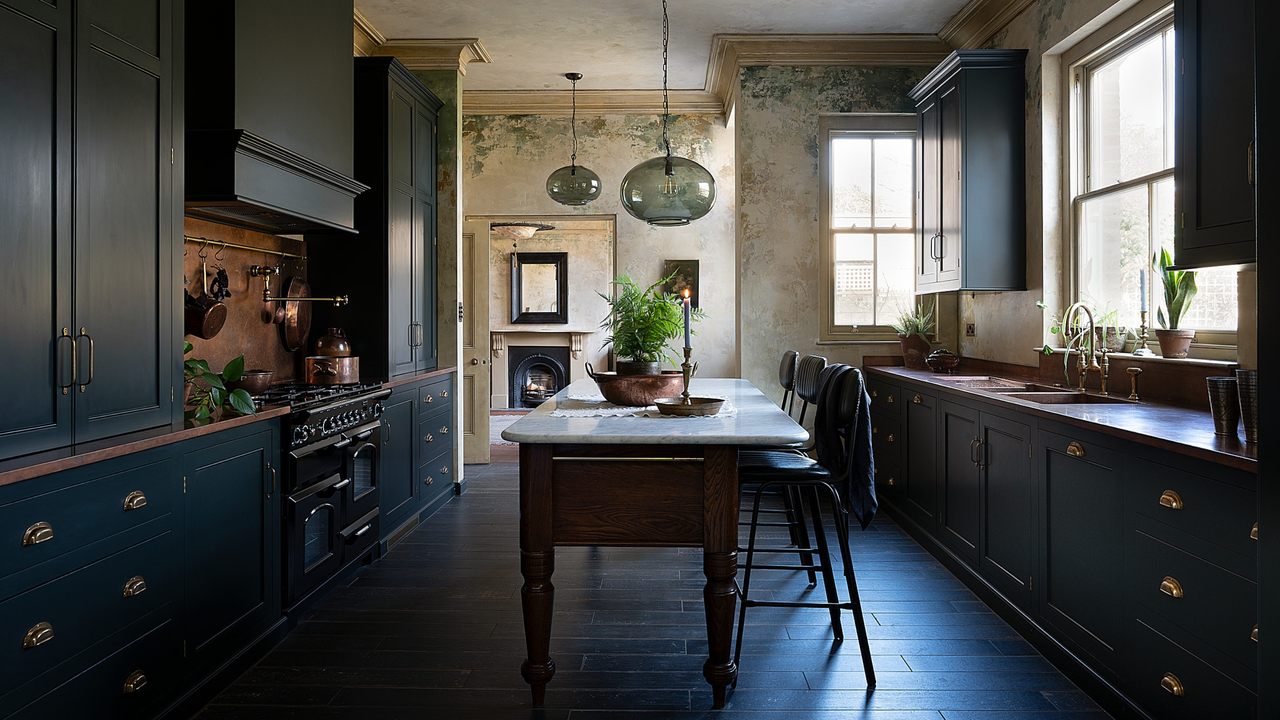
Flooring covers such a huge part of the room, visually it needs to provide balance and not dominate the entire space, but be present and complementary to the rest of the furnishings and overall style.
Some design choices have a way of subtly ageing a space, even when the rest of the scheme feels intentional, considered, and up to date. As we head into 2026, flooring trends are shifting towards more thoughtful, tactile, and enduring finishes, leaving a number of once-popular options feeling rather unaligned with how we live now. Allow those matter-of-fact materials to shine.

1. Gray-Washed Floors

We’ve all loved gray flooring at some point. It was cool, fresh, and felt modern when it first became a trend, but it’s started to feel a little overdone now, and we’re all craving a more homely, less commercial finish underfoot.
“The cool undertones can make the space feel uninviting and impersonal,” says Natalie Mudd, Co-Founder & Creative Director, Knot & Grain, “A modern alternative is a warm, natural wood tone such as oak or walnut.”
This wood floor type will provide a much softer, wholesome aesthetic with character. You know they won’t go out of trend, meaning they’ll last for years and years, and you won’t feel the need to swap them out.
Natural materials bring the outside in through tactility and color to pair with a warm wood flooring.
2. High-Gloss Finishes

Glossy finishes may still be an emerging trend, but for floors, they can prove problematic. “Floors can look beautiful in photos, but in real, everyday life, they tend to show everything. A matte or soft-sheen finish feels calmer and generally more timeless,” recommends Allison Lynch, Cambridge showroom director and senior designer for Roundhouse Design. She warns, “Polished floors can be slippery too, so it's best to consider this and the glare off the floor from skylights, and big glass doors bring in lots of light; however, it will reflect a lot of light.”
Grazzie Wilson, Head of Creative at Ca’ Pietra, agrees and uses the example of a black and white checkerboard flooring as an outdated flooring trend. “It will always have its place, but the glossy versions feel disconnected from how people are designing their homes in 2026. The trend is moving towards a gentler interpretation of the pattern, where matt surfaces, chalky neutrals, and more muted pairings create a calmer visual field.” Grazzie explains how the softer finishes take the edge off the pattern. “It allows it to feel settled rather than shouty. It is still a classic look, but the update lies in the surface quality; a matt limestone, honed marble, or soft-toned porcelain brings depth and tactility, offering all the character of chequerboard without the hard glare of a polished finish.”
3. Perfectly Matching Floors and Cabinets

When it comes to kitchen flooring, sometimes people feel the need to have everything match exactly when using the same wood, for example, but as Allison suggests, it can leave the room feeling a bit flat and unimaginative.
“A little contrast, either in tone or texture, usually brings more depth and makes the kitchen feel more considered.” Varying the materials, tone, and texture offers much more style and character, leaving the space looking that much more “designed”.
4. Pale, Whitewashed Woods

Light, bleached floors had a big moment, especially when interiors leaned towards light, minimalist, and Scandi, but they can look a little washed out now and of a certain time. Many people are gravitating toward more natural mid-tone wood floor colors that feel warmer and more grounded.
“Lately, those finishes can feel a bit flat, particularly in homes that are meant to feel warm and timeless,” says Perry Walter, founder of Walter Studio Interior Design. “I’m seeing a clear shift towards natural mid-tone woods with visible grain and character, like soft white oaks and lightly warm-toned natural finishes. They bring richness without going dark and pair beautifully with layered textiles, stone, and color." This all contributes towards creating spaces that feel inviting, grounded, and truly timeless. These days, it’s all about making things last, so the timeless effect is taking over, and we’re working with it.
Damla Turgut, founder and creative director of Otto Tiles & Design, explains, “In hallways, kitchens and bathrooms, traditional wooden floors are increasingly being replaced with tonal checked tiles in soft beige and creamy whites – a big trend already but one set to continue next year, while elsewhere in the home warmer woods, including deeper, darker tones; are being layered with artisanal wool rugs and kilims to add warmth and softness.” Our homes are our sanctuaries, our safe space and ultimate comfort, and since 2020 we all seem to feel much better about embracing our own spaces, than feeling the need to be out all the time.
5. Bold Pattern Tiles In Large Spaces

Patterned flooring can be wonderfully impactful, but when used throughout a large space, it can dominate the room, and the result can be overstimulating and easy to get bored of. “I’m seeing a clear shift toward a more intentional approach, where tile pattern shows up in smaller moments like a mudroom, laundry, scullery, or powder room,” Perry suggests, “What’s taking over is a mix of quieter, timeless materials paired with thoughtful accents, allowing pattern to feel special and layered rather than visually overwhelming.”
However, rest assured, “Pattern hasn’t disappeared for 2026 by any means,” says Damla. “It’s being used with much more restraint. Instead of covering an entire floor, we’re seeing designers introduce pattern in smaller, more considered moments to zone spaces, for example, a kitchen island zone, a pantry, or a threshold and balance it with quieter, textured tiles elsewhere.” This way, the space feels layered and elegantly eclectic rather than overwhelming.
6. Faux Wood

Wood vinyl flooring certainly has its practical advantages, but the very uniform, overly perfect wood-look styles can lack the warmth, texture, and character that real timber so satisfyingly exudes.
There's an element of risk of creating this wonderful space and then vinyl cheapening the entire thing, so be aware of it taking this effect on large spaces in particular.
If choosing a man-made option, Allison recommends those products with a bit of texture and variation to feel more convincing. Some modern vinyl flooring can be pretty realistic, but the trends for 2026 are all about authenticity, so it's something to consider.
7. Busy, Multi-tone Planks

Similar to the patterned tiles, there’s definitely a time and a place for wood floors with a lot of color variation, it can make the room feel busy and overworked. Instead, a subtle and consistent tone is much more advisable and will usually support the rest of the room design, rather than going head-to-head with each other.
“More consistent warm tones will let the rest of the design breathe. Softer, cohesive wood finishes create a calm foundation and allow cabinetry, stone, and architectural details to take the lead, resulting in a space that feels more intentional and timeless,” recommends Perry. So, the key is always to create a more relaxed backdrop and allow other elements of the design to come forward and be appreciated. It's the sort of flooring that makes a room look bigger, too.
8. Dark Floors in Small or Low-lit rooms

Dark floors can bring punchy drama, work alongside lighting and create some really interesting interiors, yet we’re seeing in smaller or darker spaces they can make the room feel a little heavy and, dare I say it, dingy. Allison suggests, “A dark floor tends to work best where there’s plenty of natural light to balance them,” and the natural light will also make for being able to appreciate the design as a whole. “Without enough natural light, they can pull the energy of the space downward and make it feel closed in,” explains Perry.
"I think darker floors still have a place, but they work best when there’s enough natural light to balance them. In smaller or darker rooms, we’re seeing a preference for mid-depth tones with texture with materials that catch the light and add warmth without closing the space in,” says Damla.
Tie in your kitchen essentials with the main finishes in the kitchen to complete the look
FAQs
What Is the Most Durable Flooring Material?
There’s no single answer, as the best flooring choice depends on how the space is used. However, several designers agree that durability, maintenance and ambience all play a role.
For high-traffic areas such as kitchens and hallways, porcelain tiles come out on top. Erik Munro, founder of Munro Design Studio, explains, “Flooring really depends on the property, and I think there's always a time and a place for most styles. For durability, you can't beat good old porcelain tiles. There are some really good faux stone porcelains on the market now that are hard-wearing and still look authentic. Just make sure the material suits the overall feel of the home.”
Natural stone is also extremely durable and ages beautifully, though Allison warns that performance varies by type and finish; many stones require sealing and ongoing care.
For a warmer feel underfoot, engineered wood is the most reliable timber option. Natalie explains that its layered construction makes it much more stable and moisture-resistant than solid wood, while Allison adds that it performs particularly well in kitchens and with underfloor heating.
In bedrooms and on stairs, people often look for something a little softer, and sisal flooring offers impressive durability alongside texture and comfort – to me, this is a real home comfort texture. Kirsty Barton, brand storytelling manager at Alternative Flooring describes it as, ”One of the hardest-wearing and sustainable plant fibre floor coverings.” The fibres are incredibly strong and crafted to withstand everyday life, while still retaining a natural and textured finish.
The shift away from these dated flooring options isn't so much about there being new interior design trends to follow, but pulling focus upon the type of material that will work best for you, ensuring the best foundation to build layers upon in a calm and understated way, and not demanding attention from whoever enters the space. Whether this means opting for warmer woods, softer finishes or a more thoughtful use of pattern, the emphasis for 2026 is on balance, tactility and longevity. Invest in materials that age gracefully, feel good underfoot and allow the rest of the space to breathe, because the most successful floors are the ones you barely notice, yet you would never want to live without.