
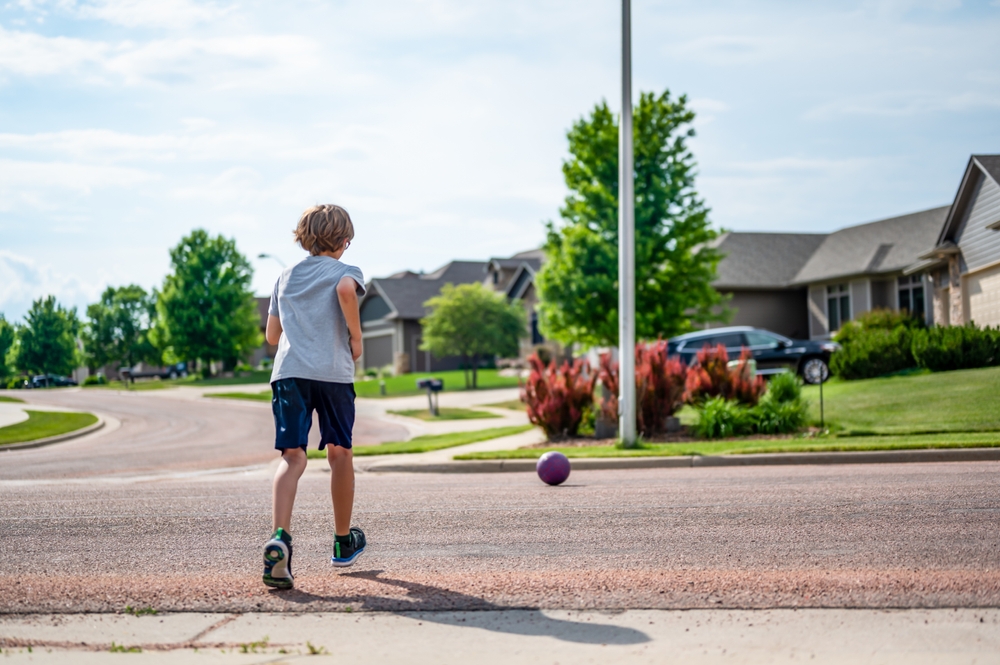
Kids grew up in a different world in the 1970s. It was a decade where childhood felt expansive, unfiltered, and wonderfully unscripted. Kids roamed neighborhoods with a freedom that would make today’s parents break into a cold sweat, and hobbies weren’t curated by adults — they were invented on the fly, fueled by imagination, boredom, and whatever materials happened to be lying around.
Fast-forward to today, and childhood looks very different. Modern parenting leans heavily toward structure, supervision, and safety, often with the best intentions. But in the process, many once-normal hobbies quietly disappeared, not because kids stopped liking them, but because the world around them changed.

1. The Art of Roaming the Neighborhood Until Sunset
In the 1970s, roaming the neighborhood wasn’t just a hobby — it was practically a lifestyle. Kids hopped on their bikes, wandered through empty lots, explored wooded areas, and checked in with friends without ever sending a text or asking permission. The unwritten rule was simple: be home by dinner.
Today, this kind of free-range wandering has largely disappeared. Parents are more cautious about safety, traffic, and supervision, and neighborhoods themselves have changed. Many families prefer structured playdates or organized activities, which means kids rarely get the chance to explore independently.
2. Building Homemade Ramps and Backyard Obstacle Courses
’70s kids were masters of DIY adventure. With a few planks, some bricks, and a questionable sense of physics, they built ramps for bikes and skateboards that would never pass a modern safety inspection. These homemade setups offered hours of entertainment and a crash course in trial-and-error engineering.
Helicopter parenting didn’t just tone this down — it practically erased it. Today’s parents are understandably more concerned about injuries, liability, and the sturdiness of anything their kids launch themselves off of. Store-bought equipment has replaced improvised creations, and supervised sports often take the place of backyard experimentation.
3. Collecting and Trading Found Treasures
Kids in the ’70s collected everything: rocks, bottle caps, stickers, marbles, and anything else that caught their eye. These collections weren’t curated by adults or tied to a brand — they were personal, quirky, and often traded like priceless artifacts among friends.
Modern kids still collect things, but the hobby has shifted toward structured, commercialized items. Trading cards, branded toys, and digital collectibles dominate the landscape, leaving less room for the spontaneous joy of discovering something interesting on the ground and deciding it’s worth keeping.
4. Playing Pickup Games Without Adult Referees
Pickup games were a cornerstone of ’70s childhood. Whether it was baseball, kickball, or street hockey, kids organized the teams, set the rules, and settled disputes themselves. The games were messy, loud, and wonderfully democratic.
Today, youth sports are far more structured. Adults coach, supervise, and often manage every detail, leaving little room for spontaneous neighborhood games. While organized sports offer great benefits, they don’t always teach the same conflict-resolution skills that came from kids running their own games.
If you want to bring this back, encourage kids to gather friends for a casual game with no adults calling the shots. It’s a refreshing change of pace.
5. Creating Elaborate Forts Out of Anything Available
Forts were a universal ’70s hobby. Kids built them out of blankets, cardboard boxes, scrap wood, or anything else they could drag into the yard. These forts became clubhouses, hideouts, and imaginary worlds that shifted with the day’s storyline.
Helicopter parenting didn’t eliminate fort-building entirely, but it did limit the materials and freedom kids once had. Many parents prefer safer, pre-made play structures, and fewer kids have access to the kind of open spaces that once inspired these creations.
A great way to revive this hobby is to set aside a “fort day” with safe materials and let kids take the lead. The creativity that emerges is always worth it.
6. Roller Skating Everywhere Without Protective Gear
Roller skating was a huge part of ’70s kid culture. Sidewalks, driveways, and neighborhood streets became makeshift rinks, and kids skated for hours without helmets, wrist guards, or knee pads. It wasn’t reckless — it was simply the norm at the time.
Today, safety gear is standard, and many parents prefer supervised skating areas over neighborhood streets. While the shift toward safety is undeniably positive, it also means the spontaneous, everyday skating sessions of the past are less common.
7. Inventing Games With Zero Adult Input
One of the most underrated ’70s hobbies was inventing games on the spot. Kids created rules, changed them mid-game, and adapted to whatever space or materials they had. These games were endlessly creative and required no equipment beyond imagination.
Today’s kids often have access to more toys, more screens, and more structured activities, which leaves less room for spontaneous invention. Helicopter parenting also means adults are more involved in shaping how kids play, even unintentionally.
8. The Lost Art of Hanging Out With No Plan
In the ’70s, “hanging out” was a legitimate hobby. Kids lounged on porches, sat on curbs, or sprawled in the grass talking about nothing in particular. It was slow, simple, and surprisingly important for social development.
Today, kids’ schedules are often packed with activities, and downtime is frequently filled with screens. The casual, unplanned hangout has become rare, replaced by structured playdates or digital communication.
If you want to bring this back, build in screen-free downtime and let kids decide how to use it. Sometimes the best memories come from doing absolutely nothing.
Why These Lost Hobbies Still Matter
These once-normal ’70s hobbies didn’t vanish because kids stopped enjoying them. They faded as parenting culture shifted toward caution, structure, and constant supervision. But the spirit behind them — independence, creativity, and unstructured fun — is still worth preserving.
Reintroducing even a few of these activities can help kids build confidence, imagination, and resilience. And who knows? You might even rediscover a little of your own childhood in the process.
Which ’70s hobby would you bring back for today’s kids? Share your parenting plans in the comments section for others to hear.
You May Also Like…
7 Parenting Expenses That Quietly Drain Budgets After the Holidays
7 Old-School Parenting Habits That Still Save Families Money
8 Parenting Rules That Were Invented by Social Media—Not Experts
9 Traditional Family Routines That Help Kids Feel Secure
7 Boomer-Era Family Traditions That Lower Household Stress
The post 8 Once-Normal ’70s Kids Hobbies That Helicopter Parenting Quietly Killed appeared first on Kids Ain't Cheap.








