Homeowners have always known that insurance companies keep a close eye on risk, but the definition of “close” has changed dramatically in recent years. Instead of sending inspectors to climb ladders or walk roofs, many insurers now rely on aerial imagery to evaluate properties — sometimes without the homeowner ever knowing their house was being examined.
These high‑resolution photos can spot everything from missing shingles to overgrown trees, but they’ve also led to a wave of surprising coverage denials. One of the most common culprits? Moss. Yes, the green fuzz that grows on damp shingles has become a trigger for non‑renewals and policy cancellations across the country. But there are far more, and it’s becoming clear that aerial photos may be homeowners’ new worst enemy.
1. Moss Has Launched a Thousand Letters
Moss may look harmless, but insurers see it as a sign of moisture retention, shingle deterioration, and potential roof failure. Aerial photos can easily detect patches of moss, especially on north‑facing slopes where sunlight is limited. When insurers spot it, they often flag the roof as “poor condition,” even if the homeowner hasn’t noticed any issues.
This can lead to a warning letter, a demand for roof-cleaning, or a flat‑out non‑renewal. The frustrating part for homeowners is that moss doesn’t always indicate structural damage — sometimes it’s just cosmetic. But insurers aren’t taking chances, and aerial imagery gives them a fast, inexpensive way to identify anything that might increase risk. If you live in a damp or shaded area, regular roof cleaning can help you avoid being caught off guard by a photo you never knew was taken.
2. The “Dark Streaks” That Look Worse From Above
Many homeowners are surprised to learn that dark streaks on shingles — often caused by algae — can be mistaken for roof deterioration in aerial images. From the ground, these streaks may look minor, but from above, they can appear as large discolored patches that insurers interpret as aging or damaged roofing. This can trigger a demand for replacement even when the roof is structurally sound.
The challenge is that aerial photos don’t always capture texture or depth, so insurers rely on color patterns to make decisions. If your roof has algae streaks, a professional cleaning can make a big difference in how it appears in aerial assessments. It’s a small step that can prevent a big headache.
3. The Overhanging Tree Limbs That Signal Risk
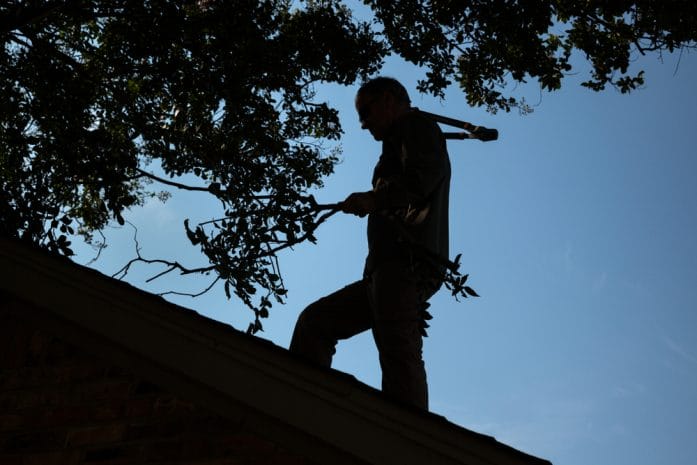
Aerial imagery makes it easy for insurers to spot tree limbs hanging over roofs, and this has become a major reason for coverage denials. Overhanging branches increase the risk of roof damage, clogged gutters, and debris buildup, all of which can lead to costly claims.
Even if the trees are healthy and well‑maintained, insurers may still classify them as hazards. Homeowners often don’t realize how dramatic these branches look from above, where shadows and angles can exaggerate their reach. Trimming trees regularly is one of the simplest ways to avoid being flagged by aerial inspections.
4. The Patchwork Roof Repairs That Raise Red Flags
Aerial photos can reveal mismatched shingles or patchwork repairs that aren’t visible from the street. Insurers sometimes interpret these repairs as signs of underlying structural issues or past damage that wasn’t fully addressed.
It often doesn’t matter if the repairs were done professionally; the visual inconsistency can trigger concerns about the roof’s overall condition. This is especially common with older homes where repairs have been made over time. If you’ve had roof work done, keeping documentation and photos can help you dispute any inaccurate assumptions made by insurers.
5. The Debris That Suggests Neglect
Leaves, branches, and other debris may seem harmless, but insurers often view them as indicators of poor maintenance. Aerial images can capture debris accumulation on roofs, in gutters, or around chimneys, and insurers may interpret this as a sign that the homeowner isn’t keeping up with necessary upkeep.
This can lead to warnings or non‑renewals, even if the debris is seasonal or temporary. Regular cleaning — especially after storms — can help ensure your home looks well‑maintained from every angle, including the sky.
6. The Ponding Water That Signals Roof Trouble
Flat or low‑slope roofs are particularly vulnerable to ponding water, which aerial photos can detect with surprising accuracy. Standing water is a major red flag for insurers because it can lead to leaks, mold, and structural damage.
Even small puddles can trigger concerns if they appear consistently in aerial images. Homeowners with flat roofs should ensure proper drainage and consider periodic inspections to prevent water accumulation. Addressing ponding early can save you from both roof damage and insurance complications.
7. The Missing Shingles You Didn’t Know Were Missing
Aerial imagery can reveal missing or lifted shingles that homeowners may not notice from the ground. These small issues can be interpreted as signs of wind damage or aging, prompting insurers to demand repairs or deny coverage.
Sometimes the shingles aren’t actually missing — they may simply appear that way due to shadows or lighting in the photo. Still, insurers often err on the side of caution. Regular roof inspections can help you catch and document these issues before they become grounds for denial.
8. The Chimney and Flashing Issues That Stand Out From Above
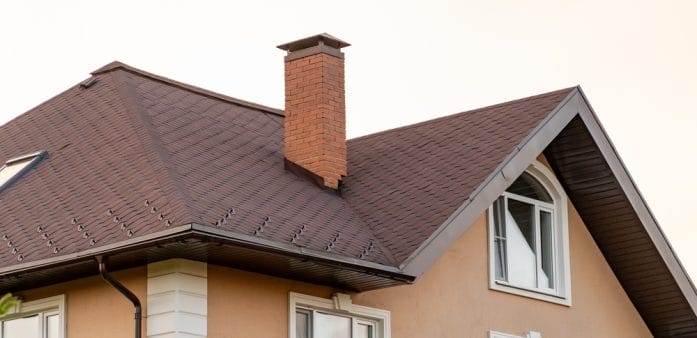
Aerial photos can highlight gaps, cracks, or discoloration around chimneys and flashing, which insurers may interpret as potential leak points. Even minor wear can look significant from above, especially if the photo captures shadows or debris.
Insurers often flag these areas as high‑risk, leading to repair demands or non‑renewals. Having a professional inspect and maintain your chimney and flashing can help prevent misunderstandings and ensure your home passes aerial scrutiny.
The Sky Isn’t Falling — But Your Coverage Might Be
Aerial imagery has transformed the way insurers evaluate homes, and while it offers efficiency and accuracy, it also introduces new challenges for homeowners. Moss on shingles, overhanging branches, algae streaks, and other seemingly minor issues can now be detected instantly and used as grounds for denial. The key to staying protected is staying proactive. Regular maintenance, documentation, and awareness of how your home appears from above can help you avoid unpleasant surprises. Insurance companies may be watching from the sky, but with the right preparation, you can stay one step ahead.
What surprising issues have you encountered with homeowners’ insurance inspections? Have you seen drones flying around your home and reporting on you? Tell us everything you know about this new insurance phenomenon in the comments section.
You May Also Like…
The Drone Inspection Finding That’s Triggering Homeowner Policy Cancellations
The Roof Age That Automatically Disqualifies Florida Homes From Coverage
Crisis Proof: 10 Buffer Strategies Advisors Use to Protect Clients From Market Shock
The $2,000 Average National Homeowner Premium — Highest Share of Mortgage Payment Ever
Heritage Insurance Approved: 9.6% Premium Drop for Seminole County Homeowners
The post 8 Homeowner Insurance Denials Based on Aerial Photos appeared first on The Free Financial Advisor.