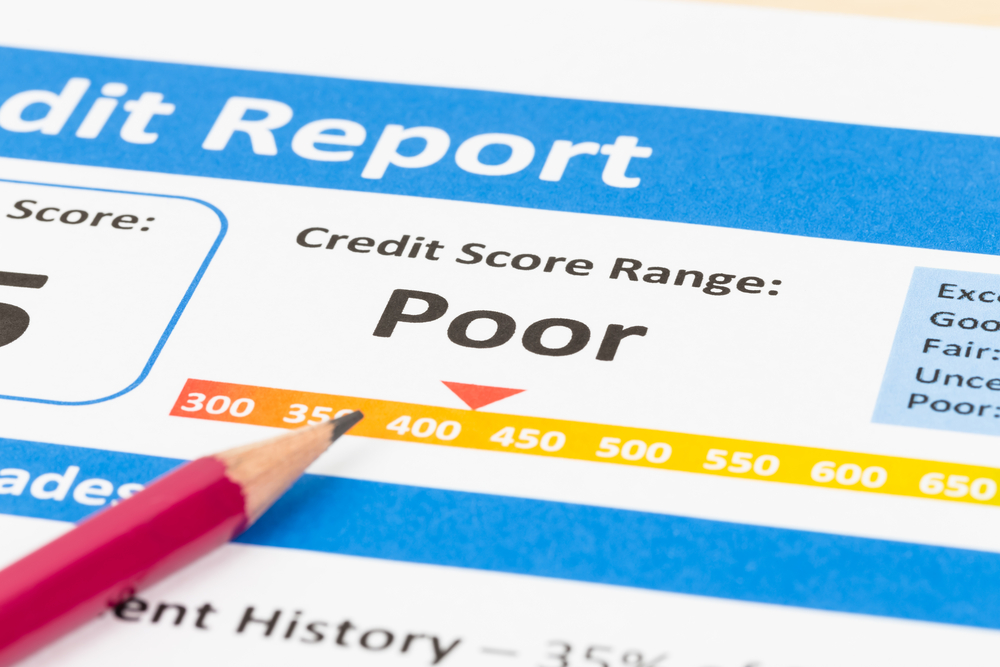
Most people walk around feeling pretty confident about their credit—until one day they check it, and suddenly it’s limping along like it just ran a marathon in flip-flops. The truth is, your credit score isn’t only affected by the big stuff like missed payments or maxed-out cards. Sometimes it’s the tiny, everyday habits—the innocent ones you don’t even think twice about—that nibble away at your score until it’s begging for mercy.
These habits hide in plain sight, disguised as completely normal financial behavior, but behind the scenes they can cause chaos. If you’ve ever wondered why your score isn’t rising the way you expect, these sneaky culprits might be the reason.
1. Paying Bills A Few Days Late Because “It’s No Big Deal”
A bill that’s late by a few days might feel harmless, especially if you still intend to pay it within the same week. But lenders and credit systems don’t see “a few days” the way you do—they see inconsistency. Even though most creditors only report payments more than 30 days late, the pattern of last-minute scrambling can eventually lead to slip-ups. One forgetful day becomes a late payment penalty, and one penalty can become a percentage drop in your score. So even if you don’t get hit with a reportable late payment, cutting it close is a risky habit that can eventually bite.
2. Using Too Much Of Your Credit Limit Just Because You’ll Pay It Off
You might assume that as long as you pay your card in full each month, running your cards up to the limit doesn’t matter. But your credit utilization—the amount of credit you’re using compared to what you have available—gets calculated long before you make that payment. If your statement closes when your card is nearly maxed out, the credit bureaus think you’re living dangerously close to debt trouble. High utilization is one of the fastest ways to tank your score, even if you’re financially responsible. What feels like normal spending can look like credit chaos on paper.
3. Frequently Applying For Store Cards To Save Money At Checkout
That tempting “Save 20% today!” pitch at the register seems like a harmless reward. But each application triggers a hard inquiry on your credit report, and enough of them can make you look desperate for credit. Lenders don’t love the idea of someone grabbing multiple cards within short periods—it signals potential financial instability. Even if you never miss a payment on those store cards, the damage from repeated inquiries can linger. And once you have several rarely used cards, they can complicate your financial profile even more.
4. Closing Old Accounts Because You’re “Decluttering” Your Finances
It feels productive to close an old credit card you barely use, like tidying a drawer you never open. Unfortunately, your credit score sees things differently. Old accounts provide valuable credit history, and shutting them down shortens your average account age instantly. Not only that, but closing a card also reduces your overall available credit, raising your utilization—even if you didn’t increase your spending. What feels like simplification can accidentally look like a riskier credit pattern.
5. Ignoring Small Medical Bills Until They “Get Around” To You
Medical bills have a sneaky way of slipping into the shadows and then exploding into collections when you’re not looking. You might think waiting a month or two to handle them is harmless, especially if you’re expecting insurance adjustments.
But medical offices often hand unpaid balances over to collection agencies faster than you think. Once a bill hits collection status, even a tiny one, your credit takes the blow. Treat those little medical statements like precious gems—because ignoring them can cost far more than the original bill.

6. Relying On Autopay Without Double-Checking Anything
Autopay sounds like a gift from the financial gods—set it, forget it, never worry again. Except autopay is only as reliable as the card it charges, the bank account it pulls from, or the expiration date you forgot was approaching. A declined autopay due to insufficient funds or an expired card can lead to missed payments without you even noticing. By the time you catch the mistake, your credit report may already be flashing warning signs. Autopay helps, but ignoring it completely can backfire spectacularly.
7. Disputing Every Tiny Charge Instead Of Letting Things Process
It’s important to be vigilant with your money, but constantly disputing minor charges can create an unexpected ripple effect. While disputes are processed, the affected account may temporarily behave differently on your report, especially if payments are paused. If the dispute doesn’t go your way or creates confusion with your creditor, it can lead to missed payments or accidental delinquencies. Over time, this can make your financial behavior appear inconsistent or disorganized. Sometimes it’s better to allow a charge to clear and then clarify it calmly with the merchant rather than filing dispute after dispute.
8. Letting Subscriptions Auto-Renew Even When You Forget About Them
Subscriptions love quietly draining your account in the background. You may treat them as small, forgettable expenses, but collectively they can cause overdrafts, increased utilization, or missed payments if tied to certain accounts. What starts as a $9.99 auto-renew might snowball into insufficient funds, triggering fees or missed charges on other bills. Credit scoring systems see the symptoms, not the root cause—and the symptoms look like you’re not managing your money well. Keeping unused subscriptions running is like leaving a leaky faucet dripping onto your credit score.
Your Credit Score Reflects Habits, Not Just Big Mistakes
Most people assume credit scores crumble only when something huge goes wrong, but it’s often the small, sneaky habits that slowly chip away at them. The good news is that once you recognize these behaviors, they’re surprisingly easy to adjust. Awareness is half the battle—and the other half is building habits that help your score rise instead of sink.
If you’ve ever discovered one of these habits in your own life, you’re definitely not alone. Share your experiences, stories, or questions in the comments section below so others can learn from them too.
You May Also Like…
Expense Mindset: 5 Budgeting Habits High-Net Individuals Use
7 Money Habits We Wish We Started 10 Years Earlier
Financial Habits of People Who Never Stress About Money
8 Modern Habits That Baffle Older Generations
8 Times “0% Interest” Credit Cards Turn Into Financial Traps
The post 8 “Harmless” Daily Habits That Are Secretly Wrecking Your Credit Score appeared first on The Free Financial Advisor.