
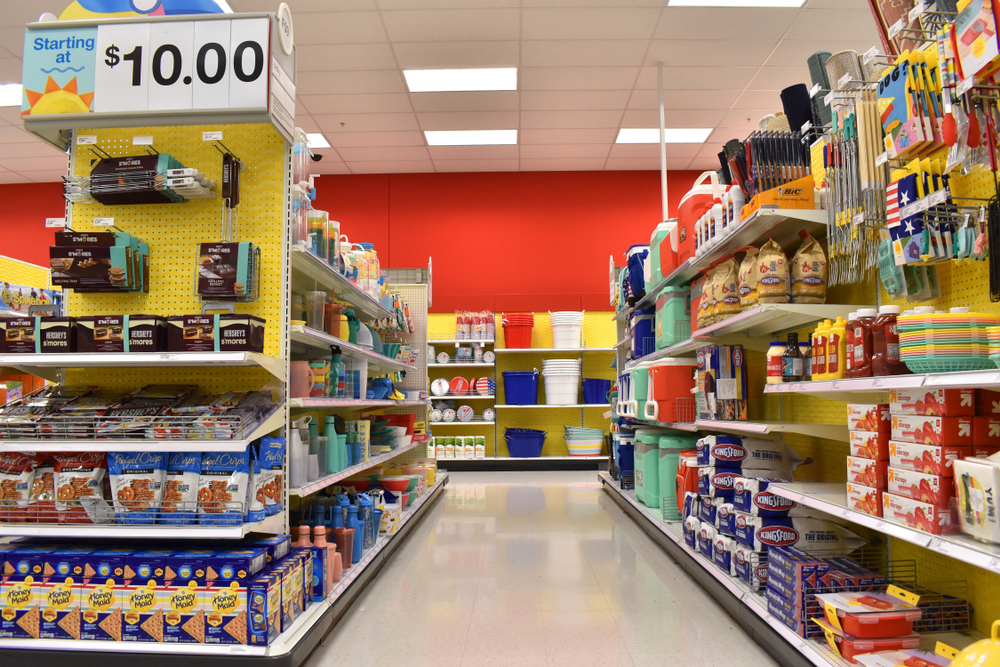
Walking through any grocery store, it’s hard to miss the flashy endcap displays at the ends of aisles. These setups often feature bold signage, bright colors, and stacks of products that seem to promise unbeatable deals. Shoppers naturally gravitate to these spots, hoping to snag a bargain. But do endcap displays really offer real savings? The truth is, many of these promotions are designed more to catch your eye than to lighten your grocery bill. Understanding how endcap displays work can help you make smarter choices and avoid overspending on products that aren’t actually discounted.
1. Seasonal Snacks and Treats
Come any holiday or big event, endcaps are loaded with themed snacks—think Halloween candy, Christmas cookies, or Super Bowl chips. While these products look festive and fun, their prices are often the same as, or even higher than, the regular shelf price. Retailers know that shoppers are more likely to make impulse purchases when items are tied to a season or event. If you’re hoping for real savings, check the unit price or compare with similar items in other parts of the store. Don’t assume the presence of a pumpkin or Santa means a bargain.
2. New Product Launches
Endcap displays are a favorite spot for brands to roll out new products. You might see a new soda flavor or a trendy snack prominently placed with big “Try Me!” signs. While this can be exciting, these items are rarely offered at a true discount. The goal is to boost visibility and get you to try something new, not to save you money. Instead of grabbing the latest thing on the endcap, check for coupons or introductory offers elsewhere for actual real savings.
3. Multi-Pack “Deals”
It’s common to see multi-packs of drinks, snacks, or household products stacked high on endcaps with signage like “Family Size” or “Value Pack.” These can be misleading. Sometimes, the per-unit price is no better than buying singles—or it might even be worse. Retailers know that the appearance of bulk or value can make shoppers assume they’re getting real savings, but always do the math. Check the price per ounce or count, and compare with similar products on the regular shelf.
4. Brand Name Cereals
Breakfast cereals are a staple of endcap real estate, especially big-name brands. While the display may have bright sale tags, the actual discount is often minimal. Sometimes, generic or store-brand cereals elsewhere in the aisle offer much better value. If you’re looking for real savings, don’t let the fancy endcap placement influence your choice. Compare prices across brands and look for coupons or store promotions that offer genuine discounts.
5. Beverages at “Special Prices”
Sodas, sparkling waters, and juices often appear on endcaps with “Special Price” signs. However, these prices frequently match the regular weekly sale price or, in some cases, aren’t discounted at all. The strategic placement is meant to drive impulse purchases, not real savings. For a better deal, check the store’s weekly ad or look for digital coupons before assuming the endcap display is your best bet.
6. Limited-Time Flavors
Limited-edition flavors of cookies, chips, or drinks are often featured on endcaps to create a sense of urgency. The packaging might say “for a limited time only,” tempting you to buy now. But just because a product is temporary doesn’t mean it’s a bargain. In many cases, these items are priced at a premium. If you’re after real savings, compare with regular flavors or wait for a markdown after the initial rush.
7. Bakery and Fresh Items
Endcaps near the bakery section might showcase breads, muffins, or pastries. These displays are designed to tempt you with fresh scents and attractive arrangements. But unless the items are marked down for quick sale, the prices are usually standard. Don’t let the presentation distract you from checking for actual real savings on similar items elsewhere in the store, including the day-old rack or regular bakery shelves.
8. Cleaning and Household Goods
It’s not just food—endcap displays often feature cleaning supplies, paper towels, or laundry detergent. These products are placed to catch your attention, but the discounts are often negligible. Sometimes, the same product on the main shelf is part of a better promotion or bundled with a coupon.
How to Shop Smarter Around Endcap Displays
Endcap displays are designed to influence your buying decisions, but that doesn’t mean you have to fall for the trap. The key to finding real savings is to look beyond the display. Always check the unit price, compare with similar products, and consult your store’s weekly ad or digital offers. Don’t assume that a product at the end of the aisle is the best deal in the store.
Remember, a little skepticism goes a long way in stretching your grocery budget. What’s your experience with endcap displays—have you found real savings, or do you usually pass them by? Share your thoughts in the comments!
What to Read Next…
- The Truth About Clearance Grocery Items Are You Really Saving Money
- 8 Grocery Coupon Tricks That Stores Don’t Want You To Know
- 9 Ways Grocery Stores Trick You Into Spending More
- How Retailers Trick You Into Spending More With Discounts
- Why Your Grocery Stores Loyalty Program Is Secretly Costing You Money
The post 8 Endcap Displays That Rarely Mean Real Savings appeared first on Grocery Coupon Guide.