We often associate higher prices with better quality, but in the grocery aisles, this is not always the case. Many private-label products come from the exact same manufacturing facilities as their famous, brand-name counterparts. By identifying which store brands offer an identical ingredient list and flavor profile, you can shave a significant amount off your grocery bill without sacrificing the quality of your meals. Here are eight specific swaps that savvy shoppers use to save cash without compromise.
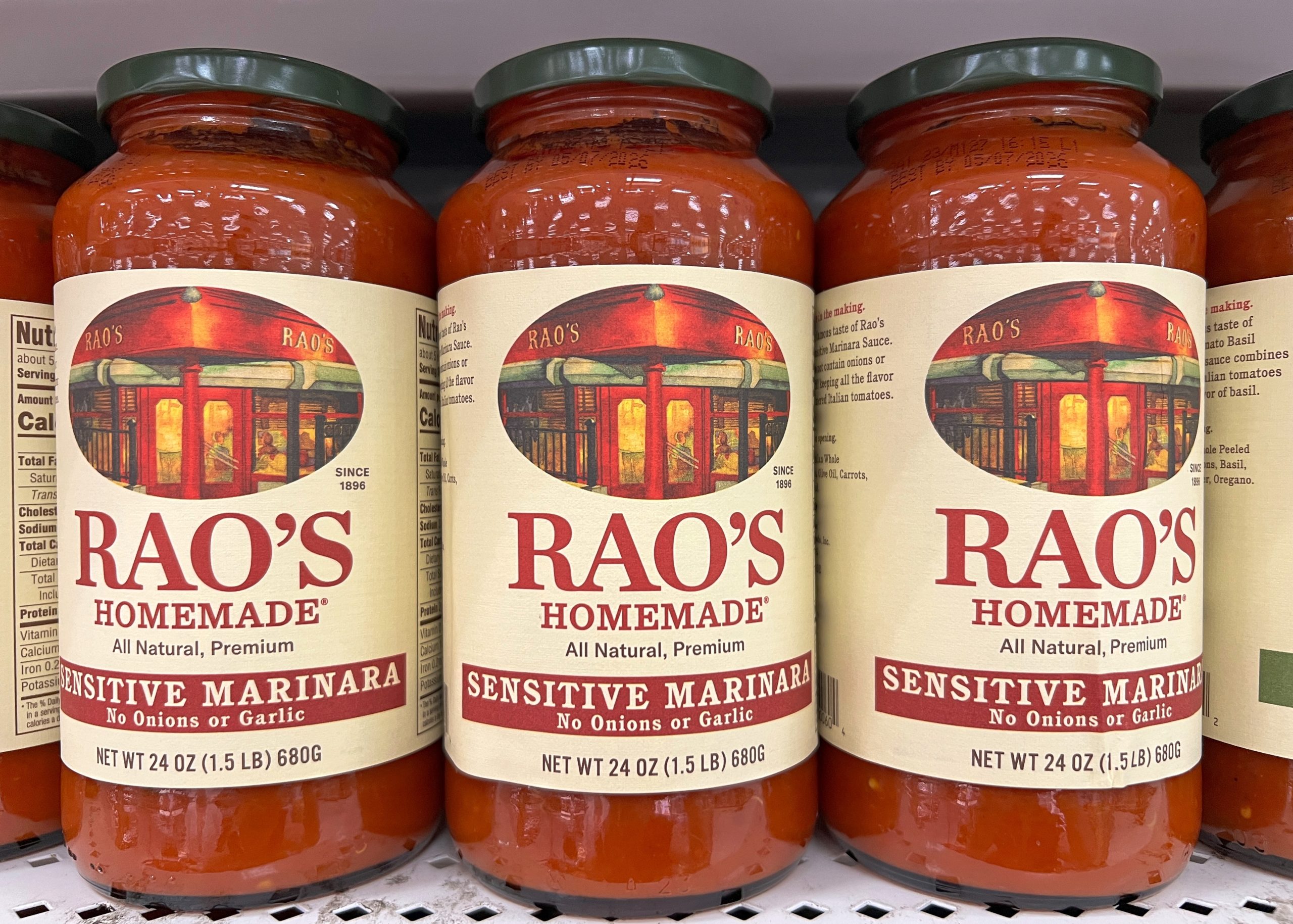

1. Rao’s Homemade Marinara vs. Aldi’s Specially Selected Premium Marinara
Rao’s Homemade is widely considered the gold standard for jarred pasta sauce due to its simple ingredient list and lack of added sugar. However, it commands a premium price, often topping $8 or $9 a jar. Aldi’s Specially Selected Premium Marinara is a near-perfect dupe. It features Italian tomatoes, olive oil, and no added sugar, mimicking the flavor profile and texture of Rao’s almost exactly. Making this swap saves shoppers roughly 50% per jar for an indistinguishable dining experience.
2. Mr. Clean Magic Erasers vs. Generic Melamine Foam
The “magic” in a Magic Eraser is simply a material called melamine foam. You can buy this exact material in bulk online or under generic store branding for pennies on the dollar compared to the Mr. Clean brand. The generic blocks clean walls, sneakers, and baseboards just as effectively because they are the same industrial material. You pay a massive markup solely for the “Mr. Clean” logo on the box.
3. McCormick Spices vs. Badia Spices
McCormick dominates the spice aisle with its familiar red-capped bottles, but they charge a premium for that shelf placement. Badia, often found in the international or “ethnic” food aisle, offers the same high-quality spices—often in larger containers—for significantly less. A standard bottle of cumin or garlic powder from Badia can cost half as much as the major national brand while providing the same potency and flavor.
4. Kerrygold Irish Butter vs. Lidl’s Grass-Fed Irish Butter
Kerrygold is beloved for its high butterfat content and rich, grass-fed flavor, but its price has climbed steadily. Lidl offers its own private-label Irish butter that is also imported from Ireland and made from grass-fed cows’ milk. Blind taste tests frequently show that the Lidl version rivals Kerrygold in creaminess and color, offering a luxury baking and cooking ingredient at a discount grocer’s price.
5. Reynolds Wrap Aluminum Foil vs. Costco’s Kirkland Signature Foil
Heavy-duty aluminum foil is a kitchen essential, and Reynolds Wrap is the market leader. However, Costco’s Kirkland Signature Heavy Duty Foil is legendary for its quality and value. The Kirkland roll is thicker and more durable than standard foil, and the massive roll lasts the average household for over a year. When you calculate the price per square foot, the Costco version offers massive savings without tearing or puncturing during cooking.
6. Hidden Valley Ranch vs. Aldi’s Tuscan Garden Ranch
Ranch dressing enthusiasts are notoriously loyal to Hidden Valley, but Aldi’s Tuscan Garden brand has cracked the code. Many shoppers report that the flavor profile—creamy, herbaceous, and tangy—is incredibly close to the national favorite. At roughly half the price, it is an easy swap for families who go through large quantities of dressing for salads and dipping.
7. Domino Sugar vs. Store Brand Cane Sugar

Sugar is a commodity, meaning the product inside the bag is chemically identical regardless of the logo on the outside. Whether you buy Domino or a store brand like Walmart’s Great Value, you are getting 100% pure cane sugar. As long as you check the package to ensure it specifies “cane sugar” (if that is your preference over beet sugar), there is absolutely no culinary reason to pay for the yellow Domino bag.
8. Ziploc Bags vs. Target’s Up&Up Storage Bags
Ziploc creates excellent seals, but they charge a premium for their technology. Target’s Up&Up brand has redesigned its storage bags to feature a double-seal technology that rivals the name brand. Consumer reviews consistently praise the Up&Up bags for their durability and leak-proof seal. For school lunches and leftovers, the Target version performs the job perfectly for a much lower price per bag.
The Label Is the Most Expensive Ingredient
The biggest difference between these products is often the marketing budget, not the manufacturing process. Retailers have stepped up their game, creating private-label goods that compete directly on quality rather than just price. By letting go of brand loyalty and testing these swaps, you can significantly lower your weekly grocery bill while still enjoying the high-quality foods and household goods you love.
Which brand swap has saved you the most money? Is there a store brand you refuse to buy? Let us know your preferences!
What to Read Next
- What Brand Swaps Really Mean on Grocery Receipts
- 10 Grocery Items That Were Quietly Swapped With Cheaper Versions
- 6 Popular Seasonings That Nutritionists Say to Avoid
- 7 Energy Drinks That Overcharge for Sugar Water
- 6 Cart Habits That Guarantee Impulse Purchases
The post 8 Brand Swaps That Save Serious Cash Without Quality Loss appeared first on Grocery Coupon Guide.