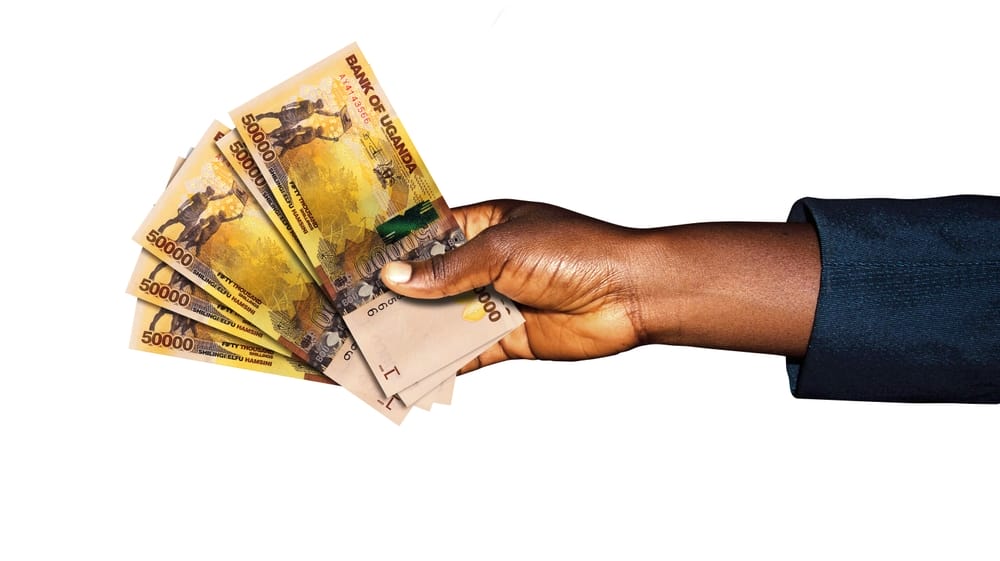
Money typically brings to mind coins, paper bills, or digital figures. We implicitly trust these forms to hold purchasing power. However, human history tells a vastly different story regarding value. Civilizations have utilized incredibly strange items to facilitate trade. Imagine walking into a store and paying with a giant limestone rock. Perhaps you might prefer to barter using a dried squirrel pelt. These concepts sound absolutely ridiculous to modern consumers. Yet, these systems functioned effectively for centuries. They solved complex economic problems in highly creative ways. Explore the weirdest forms of currency ever used.
Rai Stones: The Immovable Cash
The people of Yap Island used massive limestone discs as money. Some of these stones stood up to twelve feet tall. They were too heavy to move easily. Therefore, ownership changed without the stone moving. Everyone simply agreed on who owned which stone. Even if a stone fell into the ocean, it still held value. It was an early form of a decentralized ledger.
Salt: The Flavor of Wealth
Roman soldiers were sometimes paid in salt. It was crucial for preserving food. Without it, survival was difficult in the ancient world. The word “salary” actually comes from the Latin word for salt. Consequently, it was a universally accepted currency. You could even eat your change if necessary. It holds value simply because everyone needs it.
Tea Bricks: Edible Currency
In parts of Asia, people compressed tea leaves into solid bricks. These bricks served as currency for centuries. Furthermore, they were durable and easy to transport. They also had intrinsic value. You could brew the brick if you got hungry or sick. Value fluctuated based on the quality of the tea. It was a practical solution for nomadic traders.
Squirrel Pelts: Fuzzy Finances
Medieval Russians used squirrel pelts as cash. It was a way to utilize a natural resource. The snouts and claws served as small change. This system benefited the fur trade immensely. However, it was bad news for the squirrels. It eventually led to a squirrel shortage. The plague helped end this fuzzy financial system.
Katanga Crosses: Metal Assets
The Katanga region of the Congo used X-shaped copper ingots. These crosses were valuable due to the metal content. A single cross could buy a significant amount of flour. They were also cast into jewelry or tools. This gave the currency immediate practical use. Wealth was literally something you could forge. It was heavy but undeniably valuable.
Parmigiano Reggiano: Cheese Collateral
This is a modern example that still exists. Banks in Italy accept wheels of cheese as collateral for loans. The bank stores the cheese in climate-controlled vaults. If the cheesemaker defaults, the bank sells the cheese. It takes years for this cheese to mature. Thus, the bank effectively finances the aging process. It is a delicious form of banking.
Dolphin Teeth: Solomon Islands Cash
Traditional communities in the Solomon Islands used dolphin teeth. They were particularly vital for dowry payments. The value fluctuated based on the local supply. Inflation occurred when modern markets flooded the area. Yet, they remain culturally significant today. It highlights how currency is a social construct. Value exists because the community agrees it does.
Playing Cards: Emergency Money
In New France, the governor ran out of coins to pay soldiers. Desperate, he grabbed decks of playing cards. He signed the back and declared them currency. The soldiers accepted them because the government promised redemption. It was the first fiat paper money in North America. It worked surprisingly well for years. Trust was the only thing backing it.
Value Is a Shared Belief
Value is ultimately a shared belief rather than an intrinsic physical quality. These historical examples prove that money is simply a social agreement. It can take the form of a heavy rock, a tea leaf, or even a small rodent. The system works as long as the community agrees on the worth. Therefore, currency is flexible and constantly evolving. We might find our own paper money strange in the future. The form changes, but the underlying concept remains the same.
Which one of these bizarre currencies would you actually use? Drop a comment below!
What to Read Next…
- 7 Gadgets You’ll Wish You Never Spent Money On
- 10 Money Habits That Quietly Turn Ordinary People Into Millionaires
- 12 Money Tips Every One-Income Family Needs to Hear
- 9 Work History Errors That Void Pension Claims
- Signs You’re Only Staying Because of History, Not Happiness
The post 8 Bizarre Currencies People Have Actually Used Throughout History appeared first on Budget and the Bees.