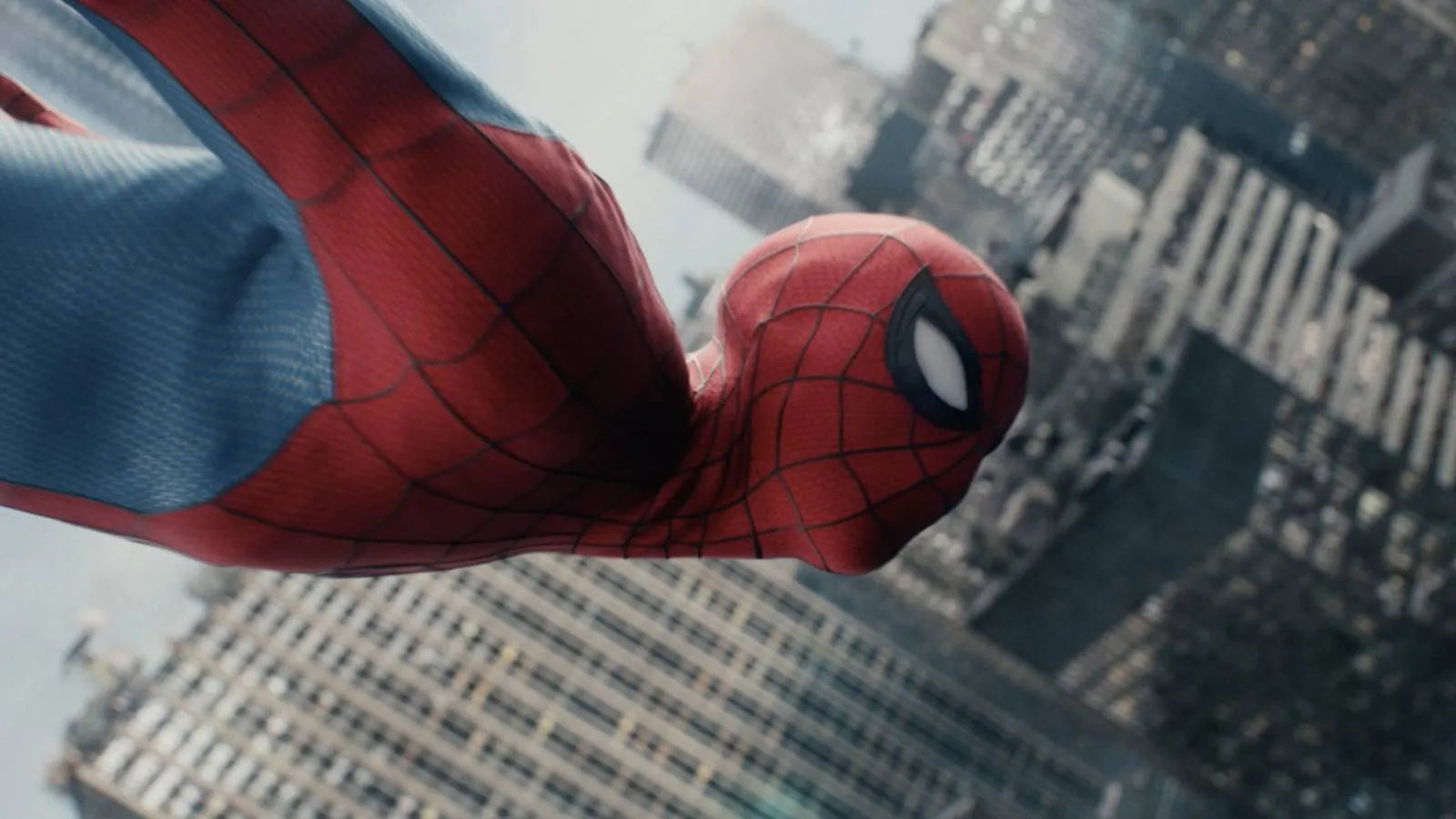
One of the inescapable realities of superhero stories is that the heroes of Marvel and DC Comics often have an affirmative relationship with the institution of policing. Icons like Batman and Spider-Man have long had police allies in the form of Commissioner Gordon or Brand New Day’s Jean DeWolff despite technically working outside the law, but even beyond officers in a superhero’s supporting cast, the genre itself has had to wrestle with its perception as copaganda, works that exist to uncritically reinforce a sanitized depiction of the justice system. There’s a reason why cinematic depictions of Batman have led to a perception that he exclusively beats up petty criminals instead of using his wealth to reform Gotham in any meaningful way.
On one hand, the genre has tried to engage with this in many ways both on and off screen. It’s a cliché at this point to bring up how The Dark Knight reflects on the moral failings of the Patriot Act, and 2021’s The Falcon and Winter Soldier somewhat explores the repercussions of the moral absolutism that usually comes with state-sanctioned authority. On the other hand, the Marvel Cinematic Universe doesn’t seem all that interested in examining the authoritarian tendencies of the genre, and no character has suffered more from that than Spider-Man.