
Get all your news in one place.
100's of premium titles.
One app.
Start reading
Frugal Gardening
Frugal Gardening
Brandon Marcus

7 Warm Soil Picks That Establish Faster

7 Warm Soil Picks That Establish Faster
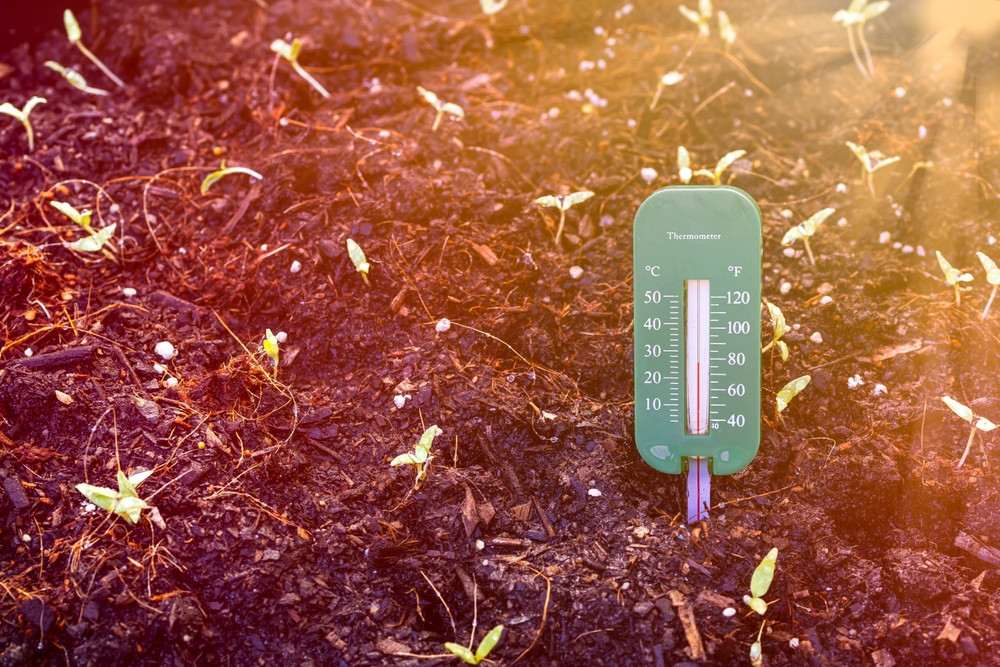
If you have warm soil in your garden, you need to be sure you are picking plants that suit it perfectly – Shutterstock

Warm soil changes everything in the garden. Seeds sprout quicker, roots stretch with confidence, and young plants settle in without hesitation. Cold, damp ground often slows growth and invites rot, while warm beds encourage steady, vigorous development. Gardeners who focus on soil temperature gain a real head start on the season.

These seven warm soil picks help turn sluggish ground into a ready-to-grow foundation. Each option brings a practical way to raise soil temps and improve planting success.

1. Black Plastic Mulch That Pulls Heat Like a Magnet

Black plastic mulch captures sunlight and traps heat directly in the soil. Gardeners place it over prepared beds before planting to raise ground temperatures by several degrees. That temperature boost speeds up germination for crops like corn, beans, and squash. The dark surface also blocks weeds, which reduces competition for nutrients and moisture.

This tool works especially well in early spring when soil still holds winter chill. Farmers often rely on it to extend short growing seasons and jump-start production. Small-scale gardeners can cut holes into the plastic and plant directly through it. The combination of warmth and weed control makes it one of the most efficient soil-warming methods available.

2. Raised Beds That Warm Up Faster Than Ground Soil

Raised beds warm quickly because air circulates around all sides of the soil structure. That airflow allows sunlight to penetrate and heat the soil faster than flat garden plots. Gardeners often notice earlier planting windows in raised systems compared to in-ground beds. The improved drainage also prevents cold, soggy conditions that slow root growth.

Filling raised beds with rich compost increases heat retention even more. Dark, organic material absorbs sunlight and holds warmth throughout the day. Vegetables like lettuce, spinach, and carrots respond well to these conditions. Raised beds create a controlled environment that consistently delivers earlier planting success.

3. Compost Layers That Generate Gentle, Natural Heat

Fresh compost actively generates heat as microbes break down organic material. That biological activity creates a warm pocket of soil energy that supports nearby plants. Gardeners often layer compost into beds before planting to take advantage of this natural warming effect. The breakdown process also improves soil texture and nutrient availability.

Well-managed compost piles can reach temperatures over 140°F during active decomposition. That heat slowly transfers into surrounding soil when applied properly. Mixing compost into topsoil helps maintain a steady warm environment for young roots. This method combines soil fertility with temperature control in one simple step.

4. Row Covers That Trap Sunlight and Block Cold Winds

Row covers act like lightweight blankets that sit over garden beds. They trap daytime heat and reduce nighttime temperature drops that stress young plants. Gardeners use them to create a microclimate that stays consistently warmer than the surrounding air. Crops respond with faster growth and stronger early development.

These covers also block wind, which often steals heat from exposed soil. Frost-sensitive plants benefit the most from this added protection. Gardeners can easily remove or adjust covers during warmer days. The flexibility makes row covers a reliable tool for unpredictable spring weather.

5. Stone Paths That Absorb and Radiate Heat Into Beds

Stone pathways between garden beds absorb sunlight throughout the day. That stored heat radiates back into nearby soil during cooler evening hours. Gardeners often design layouts that place heat-absorbing materials close to planting zones. This passive heating method supports steady soil temperatures without extra effort.

Dark stones work especially well because they collect more solar energy. Placing them strategically increases warmth in adjacent beds. Herbs and heat-loving vegetables often benefit from this setup. Stone paths quietly support soil warming while also improving garden structure and access.

7 Warm Soil Picks That Establish Faster
A stone pathway between garden beds both absorb and radiate heat into garden beds – Shutterstock

6. Clear Plastic Cloches That Create Mini Greenhouses

Clear cloches act like small greenhouses that sit directly over individual plants or rows. Sunlight enters easily and warms both air and soil beneath the cover. That trapped heat accelerates early growth and reduces cold shock during temperature swings. Gardeners often use cloches for seedlings and tender transplants.

Ventilation plays a key role in preventing overheating on sunny days. Simple adjustments keep plants safe while maintaining warm soil conditions. Cloches work especially well for early-season tomatoes and peppers. This targeted warming method gives sensitive crops a strong early advantage.

7. Dark Soil Amendments That Absorb More Sunlight

Dark soil amendments like well-aged manure and leaf mold increase soil heat absorption. The deeper color draws in sunlight more effectively than pale, sandy soil. Gardeners often mix these materials into planting areas before the season begins. That practice improves both warmth and nutrient content at the same time.

Soil that holds more organic matter also retains heat longer after sunset. That stability supports steady root development during temperature swings. Vegetables respond well to consistent warmth, especially in early growth stages. This approach builds long-term soil health while boosting early-season performance.

A Warm Soil Strategy That Changes the Entire Season

Soil temperature drives the pace of early garden success. Each method above creates a different pathway toward faster, more reliable plant establishment. Gardeners who combine multiple strategies often see the strongest results. Warm beds reduce planting delays and support healthier root systems from the start. Thoughtful preparation turns cold ground into a productive growing space long before peak summer arrives.

What warm soil tricks make the biggest difference in a home garden? Share thoughts and experiences in the comments.

You May Also Like…

Why Garden Care Needs to Adjust as Temperatures Rise

8 Warm-Weather Selections That Perform Best in Heat

Why Raised Beds Warm Faster and Boost Early Growth

Why Mulch Is Essential for Retaining Soil Moisture

The Soil Compaction Problem That Limits Root Expansion

The post 7 Warm Soil Picks That Establish Faster appeared first on Frugal Gardening.

Sign up to read this article
Read news from 100's of titles, curated specifically for you.
Already a member? Sign in here
Related Stories
Top stories on inkl right now
One subscription that gives you access to news from hundreds of sites
Already a member? Sign in here
Our Picks
Fourteen days free
Download the app
One app. One membership.
100+ trusted global sources.