Many families love playful activities that build confidence, teamwork, and connection, but some of these trustfall games are far riskier than they appear. Parents often introduce or allow these games believing they teach trust or boost bravery, not realizing that kids lack the strength, coordination, and judgment to stay safe during the falls, flips, and lifts involved. What starts as a quick moment of fun can turn into an urgent-care visit when a child falls in the wrong direction or a sibling misjudges their ability to catch them. These accidents happen fast, and parents are usually shocked to learn how common serious injuries are from games that seem harmless. Knowing which activities carry hidden hazards can keep playtime fun without putting kids at risk.

1. The Classic Backward Fall Into Someone’s Arms
This familiar activity is often the first thing people imagine when they hear about trustfall games, but it can be surprisingly dangerous for kids. Children frequently lean too far or fall too fast, catching their partners off guard. Most kids also lack the strength to support someone else’s full body weight. Even a slight misalignment can lead to head injuries or broken wrists when the fall goes sideways. Practicing this with young children creates a situation where no one is equipped to prevent injury.
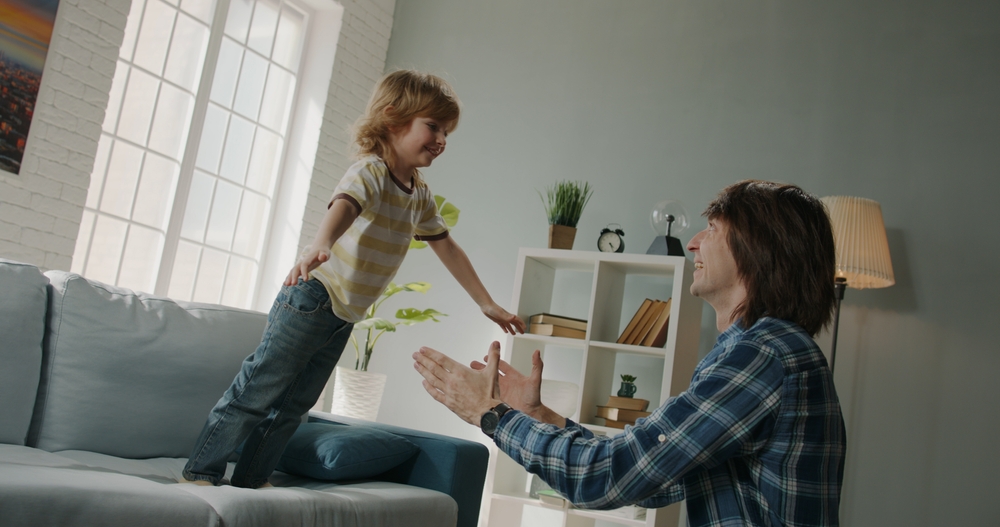
2. Jumping Off Furniture Into Waiting Arms
Many siblings turn this into a dare or a game, assuming someone will catch them every time. These trustfall games become riskier when kids jump from heights they cannot judge accurately. A missed catch or a slip on landing can cause broken ankles, sprains, or even spinal injuries. Young children often feel invincible and jump before anyone is actually ready. Parents often underestimate how fast these moments happen and how hard the impact can be.
3. Letting Kids Lean Forward from a Chair into Someone’s Hands
This version of trust fall games feels gentle at first, but chairs are unstable and kids lean quickly. If the catcher reacts even a second too late, the child can fall face first onto hardwood floors. Nose injuries, chipped teeth, and concussions are common outcomes when this goes wrong. Kids also tend to wiggle or giggle, which throws off their balance. The unpredictability makes this activity unsafe, even with older children.
4. Piggyback Drops That Rely on Kids Catching Themselves
Some families play variations where a child falls off a piggyback ride and expects the other person to catch them. These trustfall games require coordination and timing kids simply do not have. The fall distance is high enough to cause broken collarbones or arm fractures when kids try to brace themselves. Older siblings may think they can slow the fall but often lose balance. These moments lead to hard landings on tile, concrete, or uneven grass.
5. Blanket Tosses That Send Kids Airborne
Parents sometimes reenact the childhood memory of tossing kids lightly in blankets or strong sheets. These trustfall games go wrong when the blanket slips or one person loses their grip. Kids can fly sideways and hit the ground headfirst. Even small height gains create dangerous falls because children cannot control their landing. What feels thrilling to kids creates unnecessary risk for serious injuries.
6. Swinging a Child Between Two Adults
Many families hold a child by the hands and arms and swing them for fun, trusting that both adults will maintain grip. These trustfall games put tremendous strain on the child’s elbows and shoulders. Kids can slip out of hands easily, especially if palms are sweaty or someone stumbles. When children fall during this motion, the landing force is amplified by momentum. This can result in broken bones or nursemaid’s elbow, a painful joint injury common in younger children.
7. Trust Leaps From Playground Structures
Kids sometimes do their own version of trustfall games by jumping from playground equipment and expecting someone below to catch them. Parents usually assume kids know not to jump from high places, but risk taking increases when children feel excited or competitive. Falls from even moderate heights can cause fractures or concussions. The ground beneath playground structures is often uneven, which makes missteps more dangerous. Clear rules and supervision are essential to keep these leaps from turning into emergencies.
Safer Ways to Build Trust and Connection
Parents can still nurture bravery, cooperation, and trust without resorting to risky trustfall games. Activities like guided balancing, cooperative puzzles, low height obstacle courses, and gentle partner stretches create connection without the dangers of falling or lifting. Choosing games that focus on teamwork rather than physical risk lets kids build confidence while staying safe. These alternatives offer the reassurance parents want without the possibility of serious injury. When families choose mindful activities, playtime becomes both fun and safe for everyone involved.
Have you ever seen a trustfall moment go wrong, or found safer ways to build teamwork at home? Share your stories in the comments.
What to Read Next…
7 Sports That Are Increasing Injury Rates in Kids Under 10
Toddler Falls: 5 Home Areas Where Toddlers Get Hurt Most (Are Yours Safe?)
Playground Dangers: 8 Pieces of Playground Equipment That Could Seriously Injure Your Child
10 Reasons Your Child’s Sleep Habits Might Be Hurting Their Brain
7 Reasons Kids Are Getting Hurt in After-School Programs
The post 7 “Trustfall” Games That Parents Didn’t Realize Break Bones appeared first on Kids Ain't Cheap.