
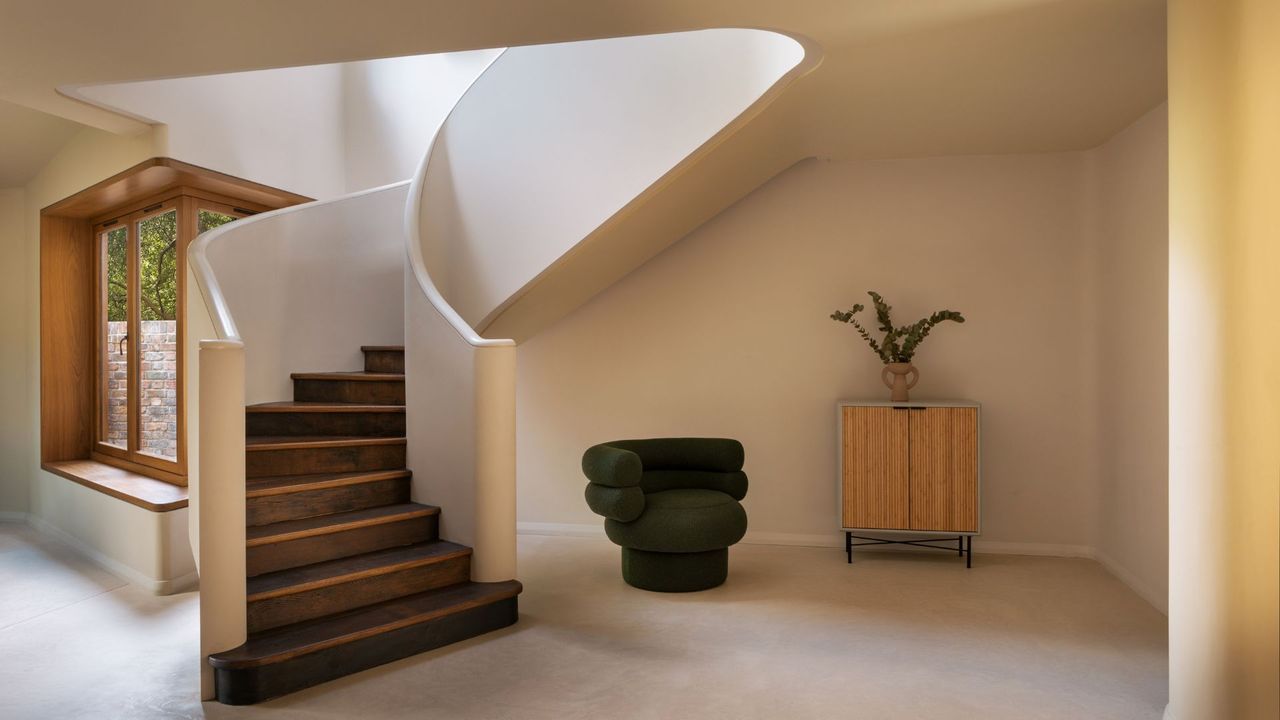
When designing a home, it's important to look beyond the surface and truly make the healthiest choices for your living spaces. These rooms are meant to nourish you, calm you, and engage with your senses in meaningful ways. However, there are several design mistakes that somehow go unnoticed.
Things like hash lighting schemes, neglecting decluttering your home, overstimulating color palettes, and disproportionate furniture plans are some major red flags. Not to mention, ignoring non-visual senses, hidden chemical emissions, and designing for aesthetics over functionality.

So, here's a look at why these design mistakes are toxic for your home's well-being and how to amend these errors.
1. Harsh Overhead Lighting

Franky Rousell, sensory interior designer and founder of Jolie, tells me that flat, overly bright lighting (especially cool white LEDs) can keep the brain in an alert, almost clinical state.
"It suppresses melatonin and makes it hard to fully relax. Instead, I recommend layering for a more cozy lighting scheme. Use warm, low-level sources like table lamps, wall lights, and dimmable options," she advises.
"This will help you create depth and allow the body to soften into the space. Candles also add a gorgeous, calming lighting approach and anchoring moment throughout all hours of the day. "
Color: Beige
H&M has some of the best rechargeable lamps and this is one of my current favorites.
Color: Light Brown / Matte White
Rice paper lamps are one of things you'll find in calm Japanese homes that make so much sense. And it's worth bringing into yours.
Color: Antiqued Brass
Take your candle holders off the table and switch to sleek wall-mounted options like this instead.
2. Visual Clutter and a Lack of Negative Space

A cluttered home is never calming. "When every surface in your home is filled, the brain has absolutely no place to rest. It subtly increases cortisol and decision fatigue," she says.
"To fix this design faux pas, I recommend introducing 'pause points’ around your home. Think intentional empty space, edited surfaces, and smart storage that allows the eye to land and exhale."
I've also found that visual decluttering in pantries and kitchens can make a significant difference to the traffic in a space. Hiding clutter in your bedroom and decorating under the lens of tidy maximalism are game changers, too.
Color: Red / Pink
Storage is getting fun again and I've got my eyes on these boxes from Westwing to conceal clutter in a living room.
Color: Brown
Vinyl styling is trending, but I recommend keeping it neat with this Arden Storage Table from Urban Outfitters.
Color: Mauve
Bringing stylish storage ideas like the iconic Componibili Drawers from Kartell into your space is a clever choice.
3. Ignoring Non-Visual Senses

"Homes are often designed purely for how they look, but scent, acoustics, and tactility are just as powerful in shaping how we feel. Hard, echoey spaces or synthetic fragrances can feel subtly uncomfortable," says Franky.
"As an alternative, opt for multi-sensory design with soft furnishings for acoustics, natural materials for touch, and a considered calming home fragrance that anchors the space emotionally."
You can also use neuroaesthetics in design to better tune your home to a more holistic living experience.
Color: Tobacco
Use decorative throws like this pure alpaca textile from Heal's to soften your space.
Burn Time: 70 Hours
I recommend using considered seasonal scents. And this Green Tomato Vine Townhouse Candle is a great way to make your home smell like spring.
Color: Brown
Textured pieces is one of those things all cozy living rooms have, and this pillow from Next fits the bill.
4. High-Arousal Color Palettes

"Overuse of sharp contrasts or highly saturated tones (especially reds, neons, or stark black and white paint) can feel energizing but often tip into overstimulation over time," says Franky.
"Instead, use tonal, layered palettes. Choose calming colors that sit within the same family and soften them through materiality (plaster, timber, textiles) to create calm, continuity and warmth."
I also recommend using color psychology to curate color palettes that fit the function of each space in your home. You can also inject sensory-conscious paint colors to balance the mood.
Size: 2.5 Litre Tin
Decorating with blue is a short cut to a calming palette. This swatch from Lick says it all.
Quantity: 2.5 L
Butter yellow paint colors, like this one from Farrow & Ball, is a serene choice for bright spaces.
Quantity: 2.5 L
A terracotta shade like this Sienna Everyday Emulsion from Graham & Brown is another one of my top choices.
5. Unhealthy Indoor Atmospheres

When you're nestled into your couch in the comfort of your living room, you might be under the impression that your indoor environment is far healthier than the polluted air that lurks beyond your front door.
Well, Sayonara Rell of Sayo Designs, tells me that's not exactly true. Your interior air could be just as, if not slightly more, affected by the chemicals outside. "This is often due to volatile organic compounds released by common household items. In particular, budget-friendly 'pressed wood' furniture and MDF shelving often use adhesives that can release formaldehyde for months, potentially leading to headaches and respiratory irritation," she notes.
"Prioritize 'wellness-first' materials when updating your space. Whenever your budget allows, swapping out mass-produced MDF for solid wood, bamboo, or stone is a direct investment in your long-term health. These natural materials don’t just look more timeless; they also lack the synthetic glues that off-gas into your living environment."
Keeping an eye out for greenwashing in interior design and looking into sustainability in the home space is another way to curate a healthier home.
Color: Light Brown / Mint Green
A rattan and wood style bedside table like this is a healthy choice for your wellness bedroom.
Color: Moss / Chrome
The velvet used in this chair is high quality and made from 100% recycled PET yarns for a more eco-conscious dining room.
Color: White
Investing in a sleek air purifier like the Mini from Molekule will help your indoor environment be pollutant-free.
6. Disproportionate Furniture Planning

Miaad Latoof, stylist at Livingetc Design Lab, tells me that poorly planned furniture is another design red flag to steer clear of. "It's something you feel before you even notice it," she says.
"Firstly, when proportions are off, the whole room feels unsettled. Pieces too big interrupt the flow, and pieces that are too small leave everything feeling disconnected. Also, what people call ‘bad energy’ can usually indicate just an imbalance."
She explains that this confuses your line of sight. "The eye does not know where to land, and the room does not move well. As a stylist, I always start with one anchor piece that feels right for the scale, then build around it. For example, use spatial planning to give pieces space to breathe and think about how you move through the room daily."
Additionally, it's also important to prioritize comfort when choosing investment furniture for your home. You don't want a couch that's too stiff or a bed that's disrupting your slumber. Blending ergonomic design with mod aesthetics might take some effort, but your body and mind will thank you in the long run.
Color: Oyster
Sinking into a cozy chair is the best feeling, and the Fable Performance Fabric Armless Sofa from Castlery delivers on all fronts.
Color: Dark Wood
A wood side table is one of my favorite ways to make a space more functional and free-flowing while lending structure. Plus, I'm loving burl wood at the moment.
Size: H 39 cm x W 63 cm x D 51 cm
With cow print back on the design horizon, an accent stool like this will help you kick your feet up in style.
7. Designing for Aesthetics Over Functionality

And lastly, Franky tells me that spaces that photograph beautifully but don’t support real life are another design fail worth avoiding. "Awkward layouts, impractical (and uncomfortable) furniture, and no space to decompress can create daily friction," she notes.
"My advice is to design around behaviour. How do you want to feel when you arrive home? Calm, restored, grounded. Let that guide the way you embrace your layout, flow, and functionality of your living spaces."
Ultimately, she finds that the most successful homes aren’t just visually beautiful; they regulate the nervous system. "When a space is designed well, you feel it before you even consciously register why."
Member Price: £1564 (down from £2,376)
Coffee table trends are taking a functional route and the Tomasso might be one of the best I've ever seen.
Finish: Bouclé
This is juct the kind of lounging armchair I'd style in my home's digital detox zones to meditate and off-load in a comfortable spot.
Color: Dark Green
Whether you're resetting your home for spring or simply mapping out your weekly plan, a clever planning accessory like this is essential.
Refreshing the design in your home to better suit your wellness is a rewarding step in the right direction. And you can start by designing a low-cortisol bedroom for better sleep.
And for more insight into the latest home wellness trends and tips, sign up for the Livingetc newsletter.