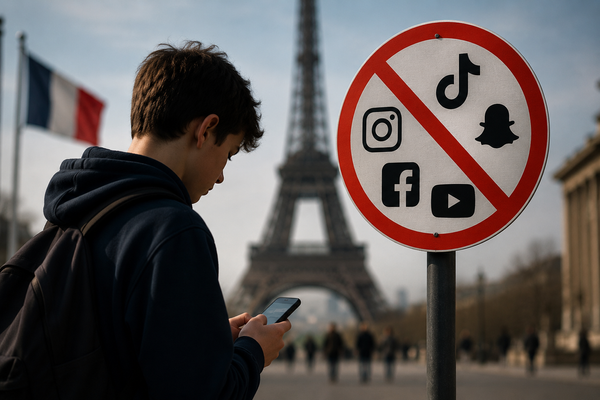

Like many other Millennials, I live a lot of my life online. I’m not someone who shares a ton, but I am plugged in a lot. Doomscrolling. Liking. Sharing. Posting. For many people, it is just part of the daily routine. Wake up, shower, brush your teeth, and check your socials. But behind the curated feeds, social media can chip away at your self-worth. The damage it’s doing isn’t always obvious either. That said, here are seven social media behaviors that could be doing a number on your self-esteem.
1. Comparing Your Life to Highlight Reels
It’s easy to forget that most people only post their best moments online. From exotic vacations to picture-perfect families, social media is often a highlight reel, not real life. When you compare your behind-the-scenes to someone else’s curated content, it can leave you feeling inadequate. This constant comparison can erode your confidence and distort your perception of success and happiness. Remember, social media self-esteem starts with recognizing that what you see isn’t always the full story.
2. Obsessing Over Likes and Follows
The dopamine hit from a new like or follower can be addictive. But when your mood hinges on digital validation, your self-worth becomes tied to numbers. This creates a cycle where you post not to express yourself, but to gain approval. Over time, this behavior can make you feel empty or anxious when engagement doesn’t meet expectations. Detaching your value from metrics is essential for protecting your social media self-esteem.
3. Editing Yourself Into Someone You’re Not
Filters, face-tuning apps, and curated captions can make anyone look flawless. But constantly altering your appearance or personality online can lead to a disconnect between your real self and your digital persona. This gap can cause internal conflict, making you feel like the real you isn’t good enough. It also sets unrealistic standards for others, perpetuating the cycle of comparison. Authenticity is a powerful antidote to the erosion of social media self-esteem.
4. Doomscrolling Through Negative Content
Spending hours consuming bad news, online arguments, or toxic content can drain your emotional energy. While staying informed is important, too much negativity can skew your worldview and increase anxiety. It’s easy to fall into the trap of doomscrolling, especially late at night when your defenses are down. This habit can leave you feeling helpless, angry, or hopeless. Curating your feed to include uplifting, educational, or inspiring content can help rebuild your social media self-esteem.
5. Seeking Validation Through Oversharing
There’s a fine line between being open and oversharing. When you constantly post personal struggles or achievements for external validation, it can backfire. Not getting the response you hoped for might feel like rejection, even if it’s not. Over time, this can lead to feelings of unworthiness or emotional burnout. Building self-worth offline ensures your social media self-esteem isn’t dependent on others’ reactions.
6. Engaging in Passive Consumption
Mindlessly scrolling through content without interacting or contributing can leave you feeling disconnected. Passive consumption often leads to a sense of isolation, especially when you’re watching others engage and thrive. It’s the digital equivalent of being at a party but standing in the corner, saying nothing. This behavior can make you feel like a spectator in your own life. Being intentional with your time online can help you reclaim your social media self-esteem.
7. Following Accounts That Trigger Insecurity
Not all content is created equal, and some of it is downright harmful. Following influencers or pages that promote unrealistic beauty standards, toxic productivity, or materialism can make you feel like you’re constantly falling short. These accounts may seem aspirational, but they often fuel self-doubt and dissatisfaction. If you notice certain profiles consistently make you feel worse, it’s okay to unfollow or mute them. Protecting your peace is a vital part of maintaining healthy social media self-esteem.
Reclaiming Your Feed, Reclaiming Your Confidence
Social media isn’t inherently bad, but how we use it makes all the difference. By becoming aware of these subtle behaviors, you can take back control of your digital experience. Curate your feed with intention, engage authentically, and remember that your worth isn’t measured in likes or followers. Small changes in your habits can lead to big shifts in how you feel about yourself. Your social media self-esteem is worth protecting because you are worth protecting.
Which of these habits have you noticed in your own scrolling? Share your thoughts or tips in the comments.
What to Read Next
The “Male Minimalist Closet” Trend Is Taking Over Social Media
7 Social Media Posts That Employers Interpret as Red Flags
8 Things You Didn’t Know Strangers Can Learn From Your Social Media
Why Middle-Aged Men Are Going Silent on Social Media
8 Social Media Posts That Attract Home Insurance Investigators
The post 7 Social Media Behaviors That Slowly Undermine Self-Worth appeared first on Clever Dude Personal Finance & Money.