
Get all your news in one place.
100’s of premium titles.
One app.
Start reading
Kids Ain't Cheap
Kids Ain't Cheap
Catherine Reed

7 Reasons Your Kids Are Faking Illness to Avoid School (And What to Do About It)

fake reasons to not go to school

Image Source: Shutterstock

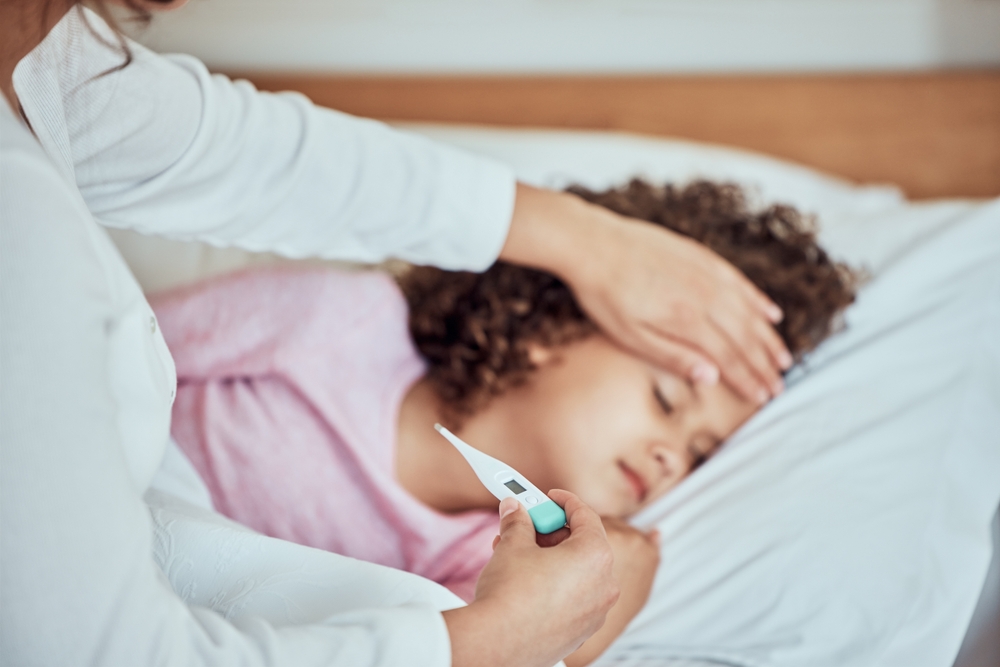
One minute, your child is getting dressed for school, and the next, they’re curled up on the couch with a “sore throat” that mysteriously vanishes by lunchtime. Sound familiar? While the occasional fake sick day might seem harmless, repeated attempts to dodge school are often a sign of something deeper. Kids rarely fake reasons to not go to school. There’s usually an emotional, social, or academic reason hiding beneath the sniffles and stomachaches.

As a parent, it’s important to recognize that school avoidance isn’t always about laziness or mischief. Kids may not have the language to explain what’s wrong, so their bodies do the talking instead. If your child keeps trying to skip school, it’s time to look past the thermometer and into the possible root causes. Here are seven common reasons kids pretend to be sick—and how to help them deal with what’s really going on.

1. They’re Struggling With Anxiety

School-related anxiety is more common than most parents realize. Whether it’s a fear of failure, social stress, or separation anxiety, many kids simply feel overwhelmed. Faking illness becomes their escape route when they don’t know how to express what they’re feeling. You might notice vague complaints like stomachaches or headaches that don’t match any actual symptoms. Talk to your child calmly and ask open-ended questions to uncover what might be making them feel anxious.

2. They’re Being Bullied

If your child is facing bullying at school, they may go to great lengths to avoid it, including pretending to be sick. Kids often feel embarrassed or afraid to talk about bullying, especially if they think it will make things worse. Instead, they fake an illness because it feels safer than asking for help. Look for patterns, like only complaining about being sick on specific days or when certain classes happen. Encourage honest conversations and reassure them that you’re there to protect and support them.

3. They’re Overwhelmed Academically

Falling behind in school can feel humiliating for kids, especially if they don’t want to disappoint their parents or teachers. If your child feels like they can’t keep up, pretending to be sick can offer temporary relief from the pressure. You might hear vague excuses about feeling tired, having a headache, or needing rest. Take some time to review their assignments, talk with their teachers, and see if they need academic support. Offering tutoring or adjusting expectations can reduce the pressure and build confidence.

4. They Feel Socially Isolated

Kids who don’t have strong friendships or feel excluded at school often dread the social aspect of the day more than the learning. The lunchroom, group work, or even recess can be a source of anxiety when they feel like they don’t belong. Rather than admitting they’re lonely, kids may claim to be sick to avoid those uncomfortable moments. If you suspect this is the case, explore ways to help your child build social connections. Clubs, extracurriculars, or even switching seating arrangements can help them feel more included.

5. They Need a Mental Health Break

Even kids can burn out. Children sometimes hit a wall between school, extracurriculars, homework, and social obligations, and just need a day to decompress. While mental health days can be helpful in moderation, faking illness shouldn’t be the go-to method for getting one. If your child is regularly pretending to be sick, it may be a sign they’re overwhelmed and don’t know how to ask for rest. Be proactive by creating open dialogue around mental health and offering planned breaks when needed.

6. They’re Trying to Avoid a Specific Teacher or Class

Not all school avoidance is about peers—sometimes the stress comes from a teacher or subject that makes your child feel inadequate or uncomfortable. If they’re faking illness on days when they have math, gym, or another specific class, dig deeper. They might be feeling intimidated, bored, or embarrassed in that setting. Meeting with the teacher or requesting a classroom change can make a huge difference. You don’t need to solve every problem, but you can advocate for a healthier learning environment.

7. They’re Testing Boundaries

Sometimes, kids fake being sick simply to see what they can get away with. Maybe they had one successful sick day and realized it came with cartoons and snacks, so now it’s worth trying again. While this isn’t as serious as the other reasons, it still matters—because it points to a need for structure. Be compassionate, but firm. Explain that school is non-negotiable and that there are other, more honest ways to ask for attention or downtime.

When to Step In and How to Help

When children repeatedly fake illness, it can sometimes signal something deeper than avoidance—feelings of anxiety, overwhelm, or emotional distress may be pushing them to retreat rather than face school demands. The start of a new semester often brings social pressures, heightened academic expectations, and disruptions to routine, all of which can exacerbate stress. By treating these behaviors as potential cries for help rather than simple misbehavior, caregivers and educators open a pathway to support. Below are trusted resources to help students and families access mental health education, early support, and crisis intervention as they navigate the back-to-school transition.

  • SAMHSA Back-to-School Toolkit — Offers guides for parents, caregivers, and educators to recognize warning signs, foster conversations, and connect youth to mental health help.
  • NAMI Back-to-School Resources — Tips, toolkits, and support specifically for students, parents, and schools to promote well-being.
  • Child Mind Institute — Going Back to School — Advice for easing transitions, managing anxiety, and supporting children with mental health or learning challenges.  
  • Adolescent Mental Health Resources (HHS/OPA) — National hub of screening tools, crisis lines, support services, and evidence-based information. 
  • 988 Suicide & Crisis Lifeline — Available 24/7 by call, text, or chat for anyone experiencing emotional distress, especially youth. 
  • Crisis Text Line — Text “HOME” to 741741 to connect anonymously with a crisis counselor anytime. 
  • CDC’s Promoting Mental Health & Well-Being in Schools — An action guide with strategies schools can use to embed mental health supports into their culture.
  • The JED Foundation – Back to School — Practical guides for students, families, and educators to center mental health at semester start.  
  • Hope Squad — A school-based peer support and suicide-prevention program that some schools adopt to create safe, connected student communities. 

Repeated school avoidance is a red flag that something isn’t right. The key is to stay curious, not accusatory. Instead of jumping straight to discipline, start with empathy and conversation. Listen carefully, validate their feelings, and work together to identify the real problem. The goal isn’t just to get them back in the classroom. It’s to help them feel safe, supported, and ready to face whatever school throws their way.

Has your child ever faked being sick to avoid school? What helped you get to the root of it? Share your thoughts in the comments!

What to Read Next

The post 7 Reasons Your Kids Are Faking Illness to Avoid School (And What to Do About It) appeared first on Kids Ain't Cheap.

Sign up to read this article
Read news from 100’s of titles, curated specifically for you.
Already a member? Sign in here
Related Stories
Top stories on inkl right now
One subscription that gives you access to news from hundreds of sites
Already a member? Sign in here
Our Picks
Fourteen days free
Download the app
One app. One membership.
100+ trusted global sources.







