
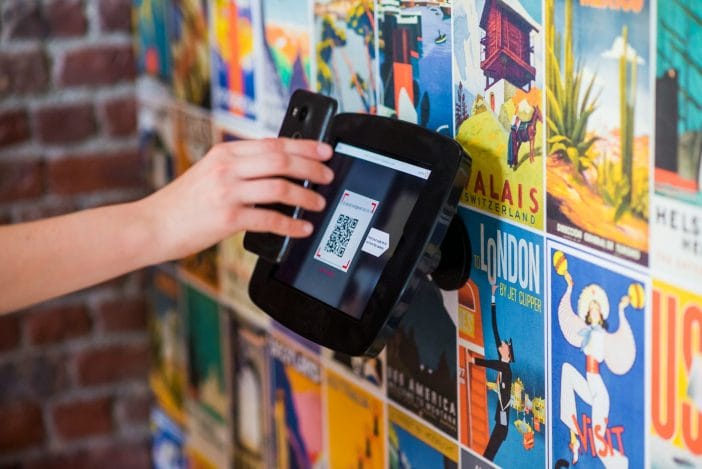
Walk past a shiny sticker on a wall, scan it quickly, and boom — a problem starts growing quietly inside a phone. QR codes feel modern, clean, and convenient, but scammers have learned how much trust people place in those black-and-white squares. Men seem to face a growing share of QR phishing attacks lately, especially when rushing through errands or trying to keep life simple.
Cybercriminals do not chase complicated schemes anymore. They build traps that look normal, friendly, and helpful. QR phishing works because people do not inspect links hidden inside codes before scanning them. Once someone scans a malicious code, the phone can open fake login pages, install unwanted software, or ask for personal credentials.