
Get all your news in one place.
100’s of premium titles.
One app.
Start reading
Livingetc
Livingetc
Ruth Doherty

7 Outdated Lighting Trends to Avoid in 2026 Renovations — And What You Should Be Doing Instead

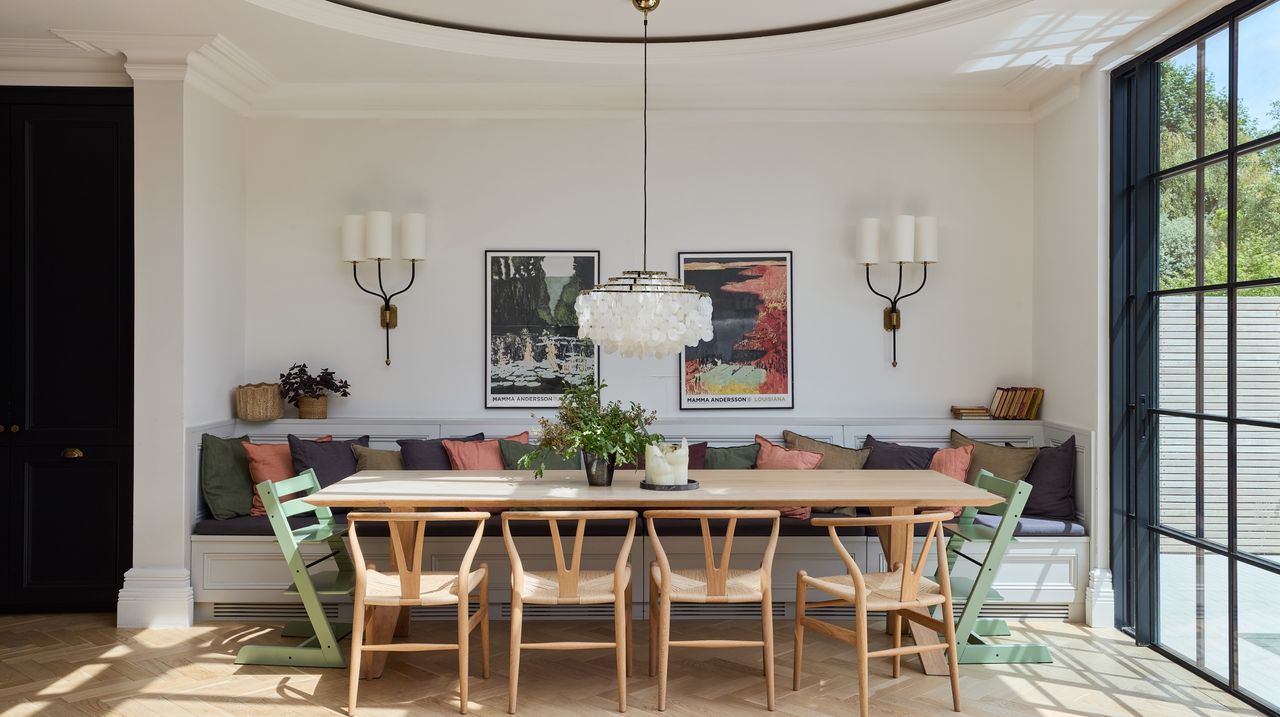
Kitchen dining room with large chandelier over kitchen table by Imperfect Interiors.

If you're planning a renovation in 2026, one thing you won't want to do is let the decor down with a dated lighting scheme. Some of the biggest mistakes when planning lighting can come from a scheme that isn't layered, dynamic, and inviting. You can inadvertently fall into that trap by installing outdated lighting trends that don't feel fresh or welcoming.

So what kind of vibe should we be looking to create when it comes to lighting trends? "As we move into 2026, lighting is becoming softer, sculptural, and deeply personal," says Scott Richler, founder of Gabriel Scott. "The conversation has shifted away from purely functional fixtures toward pieces that feel crafted, artistic, and atmospheric. Rather than lighting being an afterthought, clients want it to act as jewelry for the home, refined, expressive, and technically considered."

Scared of making a misstep? We've gathered a host of top designers and experts to illuminate us by outlining which outdated trends to avoid, and steering us in the direction of what is lighting everyone up for 2026...

1. Exposed Edison Bulbs

Do instead: "Go for polished glass forms, orbs, porcelain, diffusers, and decorative shades," says Scott Richler. "We’re seeing a move toward mood, not machinery." (Image credit: John Merkl. Design: Kristen Pena Interiors)

Once the epitome of a trendy home, the exposed Edison bulb has been a popular lighting fixture since the rise of the industrial vibe in interior design trends.

But, rather than reading cool and current, it now feels a little passé.

"Exposed bulbs can feel unfinished and visually harsh, especially in softer, textural interiors," says interior designer Juliette Byrne.

Scott Richler, founder of Gabriel Scott, agrees bare bulbs have had their day. He says: "Raw bulbs and exposed filaments feel dated, and lack sophistication and comfort."

2. Harsh Downlighting

Do instead: "Include accent and ambient layers sculptural pendants, diffused sconces, and low-level lamps," says Scott Richler. Why? "Soft, indirect light brings warmth and dimension as it feels lived-in, not clinical." And Juliette Byrne suggests "warm, dimmable lighting with layered sources, combining ceiling lights, wall sconces, and lamps. A soft, golden glow creates warmth and enhances natural materials beautifully." (Image credit: lights&lamps)

Thought bright directional lighting was a good idea? Think again if you want a cozy, inviting home.

"An over-reliance on recessed spots — whether it's in your dining room lighting ideas, kitchen lighting ideas, or living room lighting ideas — is out as it creates glare, unflattering shadows, and a sterile atmosphere," says Scott.

Juliette Byrne agrees that "harsh, bright-white LEDs can make even the most beautiful interiors feel clinical", while Pooky's Chief Creative Officer is also speaking out against the 'dated' style.

She says: “Harsh downlights and glossy surfaces once defined the sleek, modern kitchen, but that ultra-bright, reflective look is starting to feel dated.

"Designers are moving away from strong, direct lighting that bounces glare off polished worktops and lacquered cabinets, creating a space that feels more clinical than comfortable."

Instead, she adds, the trend for 2026 is "all about soft, layered lighting that flatters both the room and the people in it."

She continues: "Uplighters and wall washers that spread light gently across surfaces help create a calmer, more natural glow. Your choice of fitting can make all the difference, too — designs crafted from alabaster, frosted, or opal glass naturally diffuse light, softening brightness and blurring harsh edges. The result is a warm, ambient atmosphere that feels inviting from morning coffee through to evening wind-down. A space that’s bright, but beautifully balanced.”

3. Matching Everything

Do instead: "Curate a layered, collected lighting story mixing refined metals, glasswork and silhouettes," advises Scott Richler. "Think of fixtures as art pieces that speak to each other, not a matching set." (Image credit: Michael Sinclair. Design: Maddux Creative)

You know how the saying goes — there can be too much of a good thing, and that includes loving a style so much that you replicate it in every type of light source in the house, from matching pendants and table lamps to floor lamps and wall sconces, once seen as chic.

Just as designers suggest mixing up your furniture for a more visually arresting look, the same rule applies when it comes to planning your home's lighting scheme.

"Identical sconces, pendants, and chandeliers repeated throughout a home are too uniform," confirms Scott Richler. "It flattens personality and can end up feeling like a catalogue."

Niki Wright and Scarlett Hampton, co-founders of lights&lamps, are on the same page. They comment: "One of the guiding principles in our designs is what we call ‘harmonious difference." Each piece may vary in scale, shape, or material, yet there is always a subtle thread that connects them.

"These connections might be a delicate aged brass finial or a pleated shade, ensuring that no two pieces clash within a home," the co-founders explain. "Achieving the balance of being both unique and cohesive is no easy task, but when done well, it creates a seamless sense of ease as you move from room to room or scheme to scheme."

4. Oversized ‘Statement for Statement's Sake’ Chandeliers

Do instead: Choose refined sculptural pieces with artisanal details. "Think blown glass, hand-finished metalwork and elegant proportion," says Scott Richler. (Image credit: Imperfect Interiors)

Overly ornate chandeliers are being replaced by elegant pieces that add character but don't overwhelm a space.

Architectural pieces that are unfussy yet showcase skilled craftsmanship are how to make chandeliers feel fresh in the modern home. And remember: bigger isn't always better. So, whether it's bedroom chandelier ideas or bathroom chandelier ideas, ensure you work with the proportions of your space.

"Massive chandeliers solely for impact are out as they dominate the space rather than elevate it," says Scott Richler.

And Juliette Byrne concurs, suggesting 'grand' is out and organic, quiet sophistication is in. She adds: "Grand chandeliers can feel out of step with the more relaxed elegance we’re seeing in modern homes. We recommend more sculptural designs, think organic forms in bronze or glass that make a statement without overpowering the space."

5. LED Rings and Stark Minimalism

Do instead: Combine curves and layered lighting in a single, characterful piece. A chandelier like the Cle (above) is full of warmth, texture, and softness, demonstrating how circles and curves can be used thoughtfully in lighting design. (Image credit: lights&lamps)

Anything that reads too 'cold' is off the lighting trends menu for 2026, from all-matte black fixtures to clinical LED lighting, such as ring lights.

Niki Wright and Scarlett Hampton are champions of using curves in sculptural pendants and chandeliers, but suggest that LED rings are too harsh for 2026's taste. They explain: "Rings, circles, and ovals are naturally the most popular shapes for lighting, after all, the Earth is a globe, the sun is round, and the moon appears curved. Light itself rarely glows in straight lines or sharp angles. But taken literally, harsh LED rings can feel cold and stark."

6. Industrial Pendants

Do instead: "Relaxed spaces call for calm, opt for soft, tactile, and muted tones," say Niki Wright and Scarlett Hampton. (Image credit: Imperfect Interiors)

Just as the exposed Edison bulb is taking a back seat, so, too, are industrial pendants, which seem to be less ideal for those living room lighting ideas.

Function always has a place, but Scott Richler's "mood before machinery" take is where lighting trends are heading. "Industrial styles and finishes were always destined to be short-lived," concurs Niki Wright and Scarlett Hampton.

"People don’t want to relax amongst exposed bulbs, wire cages, and nuts-and-bolts detailing."

7. Shiny Copper and Brass

Do instead: "The rich, tactile tones of aged brass mix beautifully together and harmonize with natural materials like stone, wood, and linen." (Image credit: K Interiors)

Time was you could barely pop round to anybody's house without bumping into a shiny copper pendant or floor lamp. The age of shine has moved over for an altogether more muted, elegant cousin, aged brass.

"Shiny brass and copper are another hangover from the industrial era of design," explain Niki Wright and Scarlett Hampton. "Once refreshed for a cleaner, more modern look, these finishes can now feel a little cold. Aged brass and bronze tones, by contrast, bring depth and warmth to any space and a meticulously crafted character."

FAQs

What Light Fixtures Should be Avoided in 2026?

For 2026, types of lighting designers do not like include anything veering towards the too harsh or clinical.

"We’d generally avoid anything that feels overly harsh, clinical, or theme-driven," says Juliette Byrne. "For instance, cold white spotlights, outdated industrial fittings, or ornate designs that dominate the room. Lighting should feel integrated and intentional, enhancing the mood rather than distracting from it."

Beth Dadswell, Principal, Imperfect Interiors, says we should "think carefully before selecting light fittings as the material and design will have a huge impact on the type of light that they emit."

She explains: "Metal shades generally emit a very harsh light, unless you choose copper or brass, which glows. Clear glass can also create a bright light and focus your attention on the light bulb rather than the fitting."

Look for porcelain, linen, alabaster, or textured glass fittings as they create a much softer glow.

And Scott Richler wants to see the back of all-black-everything.

He adds, "Don't install ultra-minimal matte-black fixtures everywhere as it reads flat and predictable now. Instead, lean towards warm metal tones, soft brass, champagne finishes, and curves over hard lines. A touch of glamour and craft is back, it’s about warmth and tactile luxury.”

As with all other decor choices, your lighting scheme is subjective, and trends are there to offer inspiration and guidance. Looking ahead, a move towards elegance, craftsmanship, and a layered scheme that offers a soft, ambient glow that invites you to relax is the order of the day.

Sign up to read this article
Read news from 100’s of titles, curated specifically for you.
Already a member? Sign in here
Related Stories
Top stories on inkl right now
One subscription that gives you access to news from hundreds of sites
Already a member? Sign in here
Our Picks
Fourteen days free
Download the app
One app. One membership.
100+ trusted global sources.