
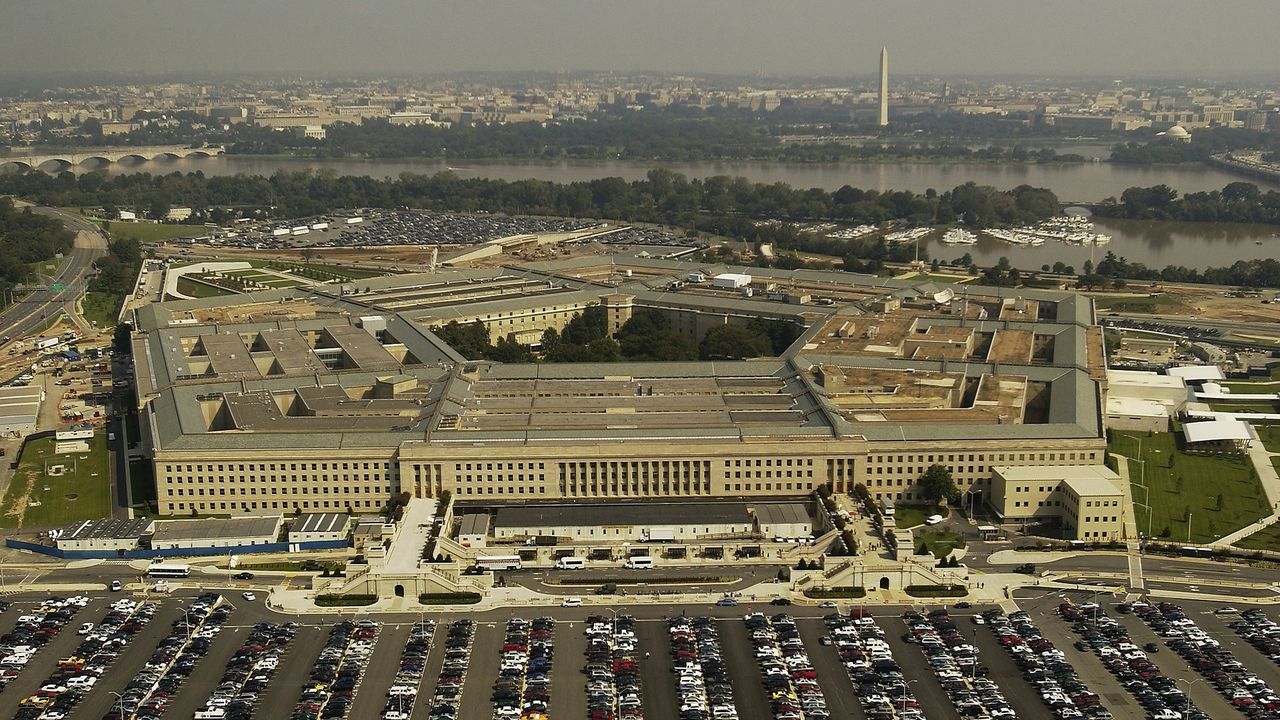
- The Pentagon signs major AI deals to deploy military AI systems
- New AI tools approved for classified military use under “lawful use” rules
- Anthropic refuses Pentagon AI deal over surveillance and autonomous weapons concerns
The U.S. Department of Defense has signed up most of the most powerful AI model developers to bring their systems directly into military operations. OpenAI, Google, Microsoft, Amazon Web Services, Nvidia, SpaceX, and Reflection AI will all help the Pentagon speed up the transition toward what it calls an “AI-first fighting force.”
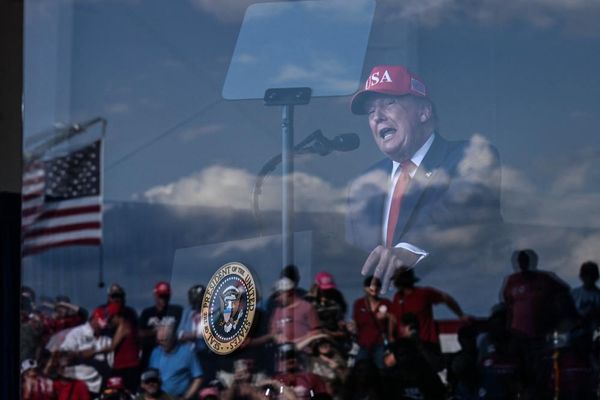
The idea is to make AI-powered tools to process information faster and to suggest decisions in complex environments.
The companies involved have agreed that their tools can be used for “any lawful use,” a very broad standard, too broad, it seems, for Anthropic. Conspicuous in its absence, the Claude developer has been fighting with the DoD over how its AI can be used for months. Central to Anthropic's concerns is how its AI might be deployed for domestic surveillance and fully autonomous lethal systems. Perhaps the company has seen how AI models seem comfortable with nuclear threats in war games.
The government responded by branding Anthropic a supply-chain risk to block it from defense contracts. Anthropic has challenged that decision.
From lab to battlefield
The other companies are choosing to engage fully with government contracts, accepting broad terms in exchange for access and influence despite pushback and skepticism from consumers, and some of the leadership of the companies themselves.
There are practical implications for how AI evolves in military contexts as a result of the deal. By moving forward with multiple partners, the Pentagon reduces its reliance on any single company. Without Anthropic, however, there can't be any claim to industry-wide unity.
Defense officials appear to believe that excluding Anthropic could put pressure on them to return to negotiations, especially as rival firms deepen their involvement. Whether that approach succeeds remains to be seen.
Still, the DoD is investing heavily in AI, with tens of billions of dollars earmarked for programs. The partnerships with private companies make technical sense, as they have the most advanced AI models.
Strengths and abilities
The companies themselves bring different strengths and abilities, incorporating everything from chips to software to deployment. AI is becoming embedded in the infrastructure of modern warfare at a pace reflecting both competitive pressure and the belief that these systems can deliver a decisive advantage.
What remains less clear is how the boundaries will be defined as the technology matures. Questions about oversight, accountability, and unintended consequences are still being worked out, even as deployment accelerates.
Anthropic holding out doesn't mean the integration won't happen, but it does make the underlying tensions harder to ignore. Even as AI becomes central to national security, there are still unresolved debates about how far it should go and who gets to decide.