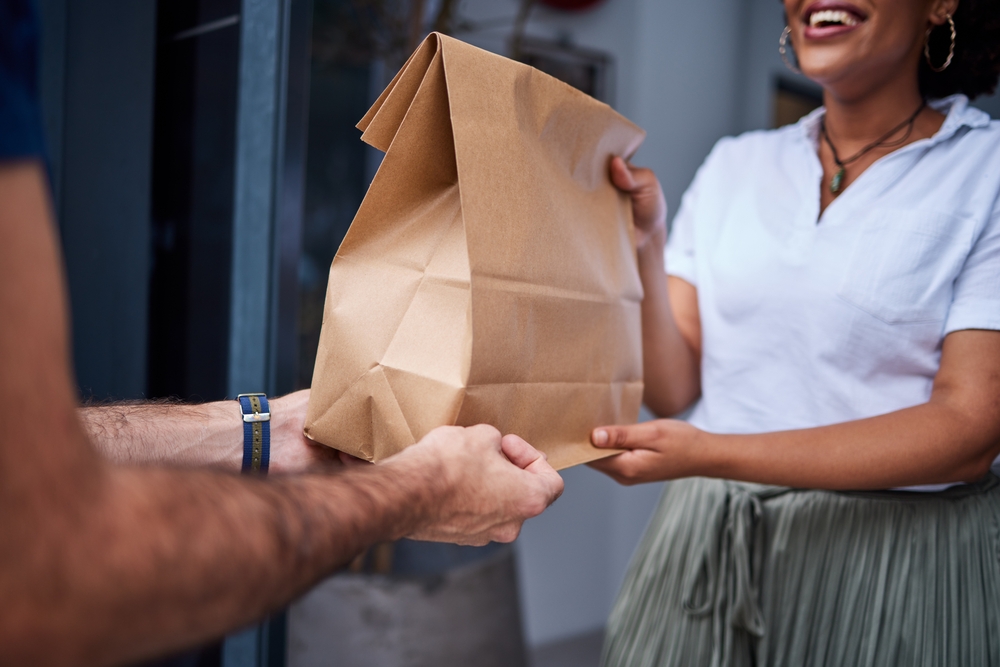
Food delivery promises convenience, but that convenience comes at a price that slips past people who assume the fee on the checkout screen tells the whole story. The hidden costs of food delivery show up in small increments, then pile into something larger by the end of the month. Some charges are obvious once you name them. Others hide in the way apps nudge orders higher or shape behavior over time. This matters because repeated patterns drain budgets quietly, long before anyone realizes how much they paid for comfort that lasted minutes.
1. Service Fees That Keep Growing
Service fees are added to nearly every order, yet their amounts change without notice. A menu price looks straightforward until an extra charge appears that has no clear explanation beyond a vague label. These fees often rise as demand rises. They rise again when restaurants renegotiate terms on the back end. The hidden costs of food delivery start here, in small adjustments users rarely track but pay every time.
Many people focus on tips or delivery charges, not realizing that service fees often exceed both. A single fee might feel manageable. Multiply it across a month of last-minute dinners, and the total becomes hard to ignore.
2. Menu Markups on the App
Restaurants often list higher prices on delivery apps than on in-store menus. The difference might be a dollar or two per item, which seems harmless. It becomes something else when a meal with multiple components carries a markup on every line. These markups rarely appear on receipts in a way that signals their impact. They blend in with standard pricing, adding another layer to the hidden costs of food delivery.
Users pay because convenience overrides scrutiny. But app markups reshape what a meal costs, sometimes pushing the total far beyond what the same order would cost if picked up in person.
3. Tips Driven by Preset Suggestions
App design tip screens to move people toward higher percentages. Those suggestions often start at levels considered generous even for full-service restaurants. A delivery driver deserves fair pay, but the interface pressures people into tapping a larger amount without thinking. The preset tips become the norm, even when orders are small or the distance is short.
The psychological design works. A tipping choice selected in seconds becomes a recurring pattern. Over a month, those incremental increases add up to more than most people realize.
4. Higher Minimums Pushing Larger Orders
Some apps require minimum order amounts, which nudges people toward buying more than they planned. A person wanting one dish ends up adding sides just to meet the threshold. The app frames it as efficiency. Really, it’s a quiet push toward larger tickets that benefit the platform and the restaurant.
This pattern builds subtle monthly inflation in household spending. A small craving becomes a full meal. A simple order becomes a basket padded with items no one asked for before the prompt appeared.
5. Subscription Fees That Promise Savings
Delivery subscriptions promise free or reduced fees in exchange for a monthly charge. The math only works when someone orders frequently enough to offset the cost. Many people overestimate how often they use the service. The subscription renews, the charge hits the card, and the savings never materialize.
Subscriptions anchor users to one app and encourage more frequent ordering. They also mask the hidden costs of food delivery by framing every order as a deal, even when the totals keep rising.
6. Surge Pricing During Peak Times
Some platforms increase fees during busy hours. A person who orders dinner after work hits a surge window without warning. The same thing happens during major events, holidays, and weekends. Surge pricing turns ordinary orders into premium purchases.
What stands out is the lack of predictability. The user sees the final total, not the rationale. Over time, the surges accumulate and significantly inflate monthly food spending.
7. Small Add-Ons That Don’t Look Like Add-Ons
Packaging fees, extra-sauce charges, and small convenience add-ons go unnoticed. They appear near the bottom of the checkout page, where people rarely look closely. The charges seem minor. A few cents here, a dollar there. But they show up on nearly every order.
These extras feel optional, yet they are baked into the transaction. They also compound when multiple items have their own surcharges.
Why These Costs Matter More Than They Seem
Each fee alone feels like the cost of comfort. Together, they create a pattern that inflates monthly food budgets far beyond expectations. The hidden costs of food delivery change habits and reshape what people consider normal spending. Once the pattern becomes clear, the totals look very different.
Tracking the full picture forces a choice: accept the expense or adjust habits with intention. Many people find that small shifts—pickup instead of delivery, cooking on nights that feel hectic, checking for markups—restore control more effectively than cutting out delivery altogether.
What hidden costs have you noticed in your own food delivery orders?
What to Read Next…
- The Hidden Costs Of Grocery Delivery Is It Really Worth It
- Grocery Delivery Coupons 7 Rules Every Frugal Shopper Swears By
- Why Grocery Delivery Might Be Making You Spend More Not Less
- 5 Popular Food Delivery Items That Aren’t What You Ordered
- 8 Unexpected Things That Happen When You Order Door Dash
The post 7 Hidden Costs of Food Delivery That Add Up Every Month appeared first on Grocery Coupon Guide.