Get all your news in one place.
100’s of premium titles.
One app.
Start reading
Grocery Coupon Guide
Catherine Reed

7 Grocery Prices That Quietly Spike at the End of the Month

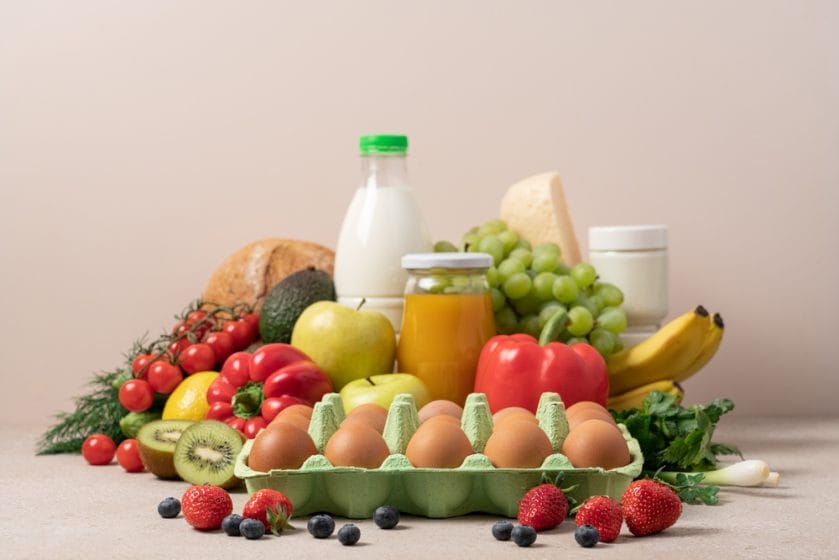
Image source: shutterstock.com

If you’ve ever walked into the store during the last few days before payday and felt like everything costs more, you’re not imagining the stress. Even when shelf prices don’t “officially” change, the way items get promoted, stocked, and packaged can make your cart more expensive. Stores also know many shoppers are doing a pantry reset right before the calendar flips, which can shift demand in sneaky ways. The result is a basket that feels tighter right when budgets are already stretched. You can’t control every pricing strategy, but you can shop around it. Here are seven grocery categories that often feel pricier at the end of the month—and what to do instead.

1. Meat Markdowns Disappear And “Value Packs” Take Over

Late in the month, you may see fewer manager’s specials and fewer marked-down family packs. Stores often time markdowns to clear inventory earlier, then refill with full-price cuts heading into the next sales cycle. You also get pushed toward larger packs that look like a deal but only work if you freeze and portion immediately. If you don’t, waste makes the “deal” expensive. Buy meat earlier in the week, then freeze in meal-size portions or overwrap and freeze the same day. When you do shop late, look for frozen protein deals instead of betting on fresh markdowns.

2. Berries And Salad Greens Get Less Promotional Love

Produce promotions tend to shift weekly, and those endcap deals can vanish during certain weeks. At the end of the month, berries and bagged greens can feel especially pricey because they’re popular “healthy reset” items. Stores know shoppers reach for quick, fresh options when they’re trying to get back on track. If the price is high, swap to whole produce that stretches: cabbage, carrots, apples, or oranges. Use frozen fruit for smoothies and oatmeal instead of fresh berries when the sticker shocks you. Your meals stay fresh, but your budget stays calmer.

3. End Of The Month Staples Like Eggs And Milk Feel Pricier

Dairy staples can sting at the end of the month because you’re more likely to be topping off basics. Even if the price per unit hasn’t jumped, you notice it more because the rest of the cart is “must-have” items too. Stores also tend to pair staple deals with loyalty pricing or app coupons, and many shoppers skip the digital step when they’re rushed. Before you buy, check the store app for clipped dairy coupons or “member price” tags. If your store doesn’t discount much, consider buying shelf-stable backups like powdered milk for baking or UHT milk for emergencies. That simple buffer helps you avoid paying top dollar in a pinch.

4. Snack Multipacks Replace Single-Serve Deals

Late-month shopping often includes school and work restocks, which makes snacks a prime target. Instead of sales on individual items, you’ll see more multipacks and variety boxes that look convenient but cost more per ounce. You also get nudged into impulse snacks at the front of the store and at checkout. Build snacks from basics: popcorn kernels, tortillas for chips, yogurt plus fruit, or crackers with peanut butter. If you do buy packaged snacks, compare unit prices and avoid the “mini” sizes unless you truly need them. Convenience is fine, but it shouldn’t quietly tax your budget.

5. Frozen Convenience Meals Creep Up

When time is tight, frozen meals and ready-to-heat foods become the emergency plan. Stores know that busy weeks often hit near month-end when people are juggling bills, schedules, and fatigue. That can mean fewer “doorbuster” freezer deals and more full-price comfort food. Create a cheaper freezer plan by stocking ingredients instead of meals: frozen vegetables, dumplings, meatballs, and a few sauces. You can assemble fast dinners that feel like convenience food without paying premium per serving. One freezer restock earlier in the month can prevent a costly late-month scramble.

6. Cleaning And Paper Goods Lose The Best Discounts

Household items often rotate on promo cycles, and the timing doesn’t always line up with your budget calendar. If you run out at the end of the month, you’re more likely to pay whatever the shelf says because you can’t wait. That’s why paper towels, toilet paper, detergent, and trash bags can feel like they spike. Track one “stock-up price” for each and only buy when you hit it, even if it means buying a bigger pack once. Store brands also tend to be the most stable value when name brands aren’t on sale. The goal is to buy household stuff on your schedule, not the store’s.

7. Bread And Lunchbox Items Get More Expensive By Behavior

Bread, deli meat, cheese slices, and lunchbox staples are classic “top-off” buys. At the end of the month, shoppers often grab them without a full plan, which makes price less noticeable until the receipt prints. Promotions also shift toward larger quantities or name-brand bundles, which can raise your average cost. Swap to flexible lunch options like tortillas, rice, pasta, or canned tuna that don’t spoil as quickly. If you do buy bread, freeze half the loaf the same day so you don’t “rebuy” later. Small changes here prevent repeat purchases that quietly inflate your total.

The Smart Timing Habit That Protects Your Budget

The easiest way to beat end-of-month pricing pressure is to stop shopping reactively. Plan one mid-month stock-up for your staples, then keep the last-week trip focused on produce and a few essentials. Use unit prices and app coupons to avoid paying “panic prices” when you’re tired and rushed. Keep a running list of items you only buy on sale, and don’t break the rule unless it’s truly urgent. Over time, you’ll notice you’re shopping the calendar instead of getting dragged around by it. That’s how you keep your grocery bill stable even when prices feel jumpy.

Which items always seem to get more expensive for you at the end of the month, and what store do you notice it in most?

What to Read Next…

Why Clearance Meat Disappears by Noon — And How to Get There First

10 Health Staples That Are Surprisingly Cheap if You Buy Them This Week

7 Foods Wholesale Insiders Say You Should Only Buy in February

6 Things You Should Always Buy at the Scratch and Dent Store

5 Foods That Go On Sale the Most in Early Year Promotions

The post 7 Grocery Prices That Quietly Spike at the End of the Month appeared first on Grocery Coupon Guide.

Sign up to read this article
Read news from 100’s of titles, curated specifically for you.
Already a member? Sign in here
Related Stories
Top stories on inkl right now
One subscription that gives you access to news from hundreds of sites
Already a member? Sign in here
Our Picks
Fourteen days free
Download the app
One app. One membership.
100+ trusted global sources.