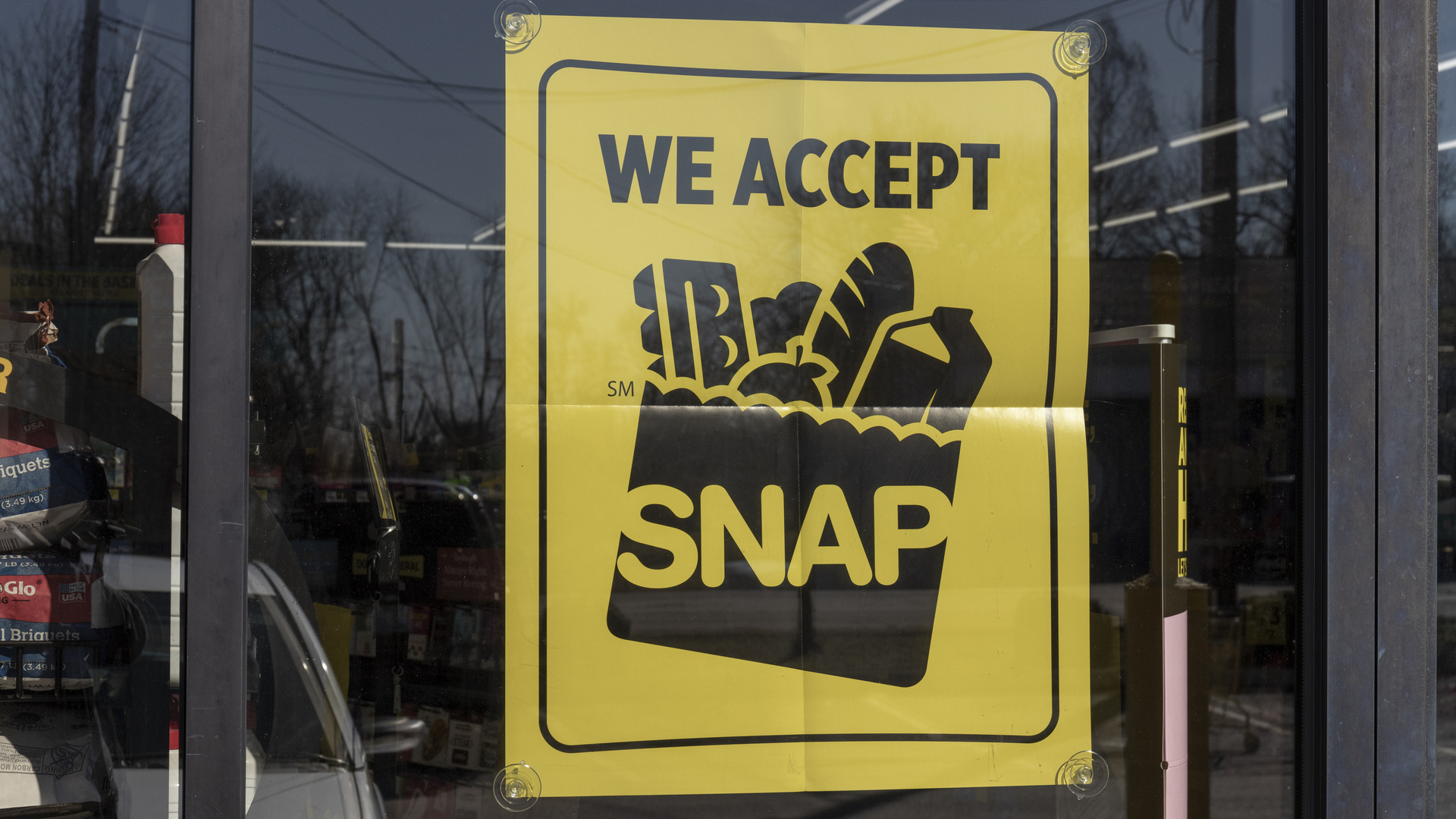
The Supplemental Nutrition Assistance Program (SNAP) has proven vital for low-income Americans needing help with their grocery bill. In 2024, approximately 12.3% of the U.S. population received SNAP benefits, according to the U.S. Department of Agriculture (USDA). That’s 41.7 million people per month.
But while the program’s goal has always been to provide nutritious, essential food to people, it hasn’t always succeeded. All of that could be about to change.
GOBankingRates rounded up a list of states changing SNAP food eligibility this year. See how your benefits could be impacted depending on where you live.
Foods Ineligible for SNAP in 2026
As per the USDA, SNAP recipients already cannot buy:
- Wine, beer or liquor
- Tobacco or cigarettes
- Grocery items containing controlled substances like cannabis or CBD
- Vitamins and supplements
- Over-the-counter medicines
- Live animals (exception: Shellfish, fish or animals slaughtered prior to pickup)
- Hot foods
- Non-food items (examples: Pet food, cleaning supplies, paper products, cosmetics, hygiene items, household supplies)
The USDA is now giving states more control over which grocery items are SNAP-eligible, and which aren’t. In 2026, there are seven additional items that may be ineligible for purchase using SNAP benefits (depending on where you live). These are:
- Soft drinks/sodas
- Sweetened beverages
- Energy drinks
- Candy (like gummies, chocolate, caramels and hard candies)
- Prepared desserts (anything that’s shelf-stable, ready-to-eat or pre-packaged)
- Fruit and vegetable juices with 50% or less natural juice
- Beverage mixes and ingredients (frozen or liquid, concentrated or non-concentrated, powdered or non-powdered)
When (and Where) These Changes Are Coming Into Effect
Not every state is issuing these bans. These are the 18 states with upcoming changes to food eligibility, and the effective dates for each.
Arkansas
- Newly banned items: Soda, fruit and vegetable drinks with less than 50% natural juice, unhealthy beverages, candy
- Target implementation date: Jul. 1, 2026
Colorado
- Newly banned items: Soft drinks
- Target implementation date: Mar. 1, 2026
Florida
- Newly banned items: Soda, energy drinks, candy, prepared desserts
- Target implementation date: Apr. 20, 2026
Hawaii
- Newly banned items: Soft drinks
- Target implementation date: Aug. 1, 2026
Idaho
- Newly banned items: Soda, candy
- Target implementation date: Feb. 15, 2026
Indiana
- Newly banned items: Soft drinks, candy
- Target implementation date: Jan. 1, 2026
Iowa
- Newly banned items: All taxable food items as defined by the Iowa Department of Revenue (ex. candy, prepared foods, soft drinks, sweetened drinks) except food-producing plants and seeds for those plants
- Target implementation date: Jan. 1, 2026
Louisiana
- Newly banned items: Soft drinks, energy drinks, candy
- Target implementation date: Feb. 18, 2026
Missouri
- Newly banned items: Candy, prepared desserts, certain unhealthy beverages (ex. soft drinks, lemonade, ginger ale, fruit or vegetable beverages with 50% of less natural juice, concentrates)
- Target implementation date: Oct. 1, 2026
Nebraska
- Newly banned items: Soda, energy drinks
- Target implementation date: Jan. 1, 2026
North Dakota
- Newly banned items: Soft drinks, energy drinks, candy
- Target implementation date: Sept. 1, 2026
Oklahoma
- Newly banned items: Soft drinks, candy
- Target implementation date: Feb. 15, 2026
South Carolina
- Newly banned items: Candy, energy drinks, soft drinks, sweetened beverages
- Target implementation date: Aug. 31, 2026
Tennessee
- Newly banned items: Processed foods and beverages (ex. soda, energy drinks, candy)
- Target implementation date: Jul. 31, 2026
Texas
- Newly banned items: Sweetened drinks, candy
- Target implementation date: Apr. 1, 2026
Utah
- Newly banned items: Soft drinks
- Target implementation date: Jan. 1, 2026
Virginia
- Newly banned items: Sweetened beverages
- Target implementation date: Apr. 1, 2026
West Virginia
- Newly banned items: Soda
- Target implementation date: Jan. 1, 2026
Currently Eligible Grocery Items
Grocery items that are still eligible for SNAP benefits this year include anything considered nutritious and essential. This means:
- Fresh produce
- Dairy
- Meat and poultry
- Fish
- Breads
- Cereals
- Seeds and plants that produce edible food
In states that haven’t submitted a request to restrict certain items, you can also still purchase snack foods and non-alcoholic beverages using your SNAP benefits.
More From GOBankingRates
- 12 Costco Deals for 2026 To Grab as Soon as Possible
- I'm a Mechanic: 5 Money-Pit Luxury Cars To Avoid in 2026
- 5 Clever Ways Retirees Are Earning Up to $1K Per Month From Home
- 9 Low-Effort Ways to Make Passive Income (You Can Start This Week)
This article originally appeared on GOBankingRates.com: 7 Foods You May No Longer Be Able To Buy With SNAP in 2026