
A blazing hot afternoon can turn a happy garden into a droopy disaster faster than anyone expects. Leaves curl, flowers fade, and vegetables suddenly look like they gave up on summer altogether. The good news is that protecting plants from extreme heat does not require expensive gadgets or a complete garden makeover. A few smart tricks and inexpensive materials can make a noticeable difference when temperatures refuse to cooperate.
Gardeners often discover that the simplest habits deliver the biggest rewards during a heat wave. Small changes help plants stay hydrated, reduce stress, and recover more quickly when cooler weather returns. These practical ideas work for vegetable gardens, flower beds, and container plants alike. Better yet, they leave plenty of room in the budget for next season’s seed catalog.
1. Add a Thick Layer of Mulch
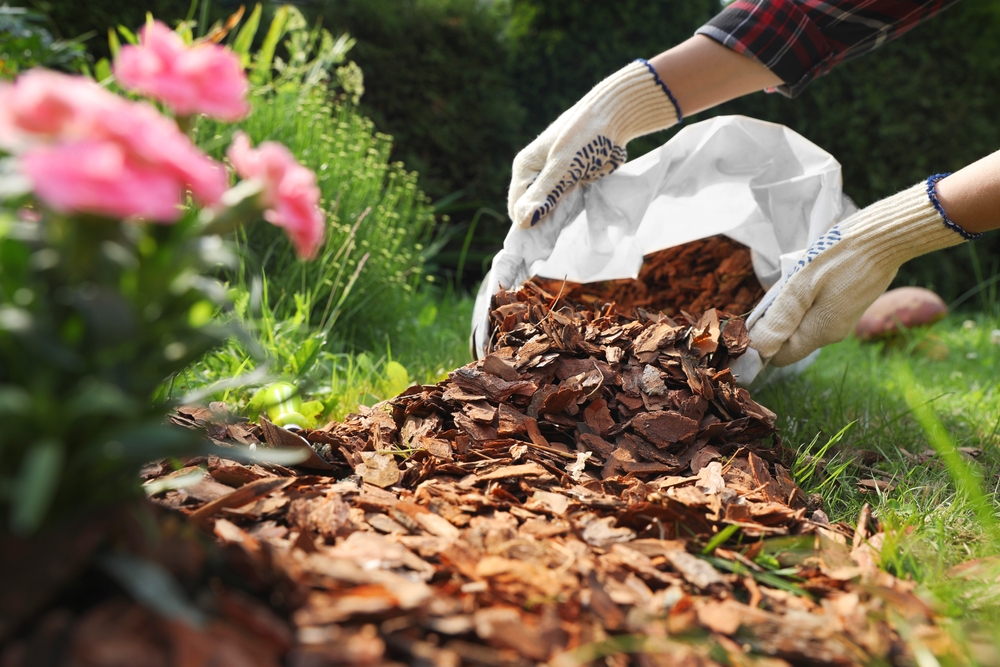
Mulch acts like a protective blanket for the soil by slowing moisture loss and keeping roots cooler during scorching afternoons. Organic materials such as shredded bark, straw, pine needles, or chopped leaves all work well without costing much. Many gardeners even collect grass clippings after mowing, provided the lawn has not received chemical treatments. A two to four inch layer around plants makes a noticeable difference after several hot days.
Mulch also reduces weeds, and that creates another advantage during extreme heat. Every weed competes with vegetables and flowers for precious water, so removing that competition helps desirable plants stay healthier. Keep mulch a few inches away from stems to prevent rot and discourage pests. Fresh mulch also gives garden beds a tidy appearance, making the entire yard look more polished.
2. Water Deeply Instead of Frequently
A quick sprinkle every afternoon may seem helpful, but shallow watering encourages roots to stay close to the surface where heat dries the soil quickly. Deep watering allows moisture to reach lower roots, encouraging plants to grow stronger root systems. Early morning offers the best time because cooler temperatures reduce evaporation before the sun climbs higher. Plants begin the day with a full supply of water instead of trying to recover after the hottest hours.
Gardeners often notice fewer wilted plants when they switch to deep watering just two or three times each week instead of daily light watering. Check the soil several inches below the surface before grabbing the hose because appearances can fool anyone. The top layer may look dry while deeper soil still contains plenty of moisture. This simple habit also saves water and lowers utility bills during long stretches of hot weather.
3. Create Temporary Shade
Even sun-loving plants appreciate a little afternoon relief when temperatures become extreme. An inexpensive shade cloth works well, but an old white bedsheet, lightweight curtain, or patio umbrella can also block intense afternoon sun. The goal is to reduce direct sunlight without completely eliminating it. Plants still need light to produce energy, but they appreciate a break from relentless heat.
Place supports above plants rather than laying fabric directly across leaves whenever possible. Good airflow prevents heat from building underneath the covering and helps reduce disease problems. Container gardens especially benefit because pots heat up much faster than garden soil. A little afternoon shade often prevents flowers from dropping blooms and vegetables from developing sunscald.
4. Give Container Plants Special Attention
Containers create beautiful displays, but they heat up much faster than garden beds. Dark-colored pots absorb sunlight quickly, causing roots to become much warmer than many plants prefer. During heat waves, moving containers into locations with morning sun and afternoon shade can dramatically reduce stress. Even shifting pots a few feet makes a surprising difference.
Grouping containers together creates a cooler microclimate because each plant helps increase humidity around its neighbors. Large decorative pots also hold moisture longer than tiny containers, so consider transplanting crowded plants into larger homes if possible. Place saucers beneath pots carefully and avoid leaving standing water for long periods because constantly soaked roots can create different problems. Daily checks become essential since container soil dries much faster than garden soil.
5. Skip Heavy Pruning During Heat Waves
A heavy pruning session might seem like a productive weekend project, but extreme heat makes it the wrong time for major trimming. Leaves provide valuable shade for stems, fruit, and roots while helping regulate moisture inside the plant. Removing large amounts of foliage exposes sensitive areas to direct sunlight. That extra stress can slow recovery long after temperatures cool down.
Instead, remove only damaged, broken, or completely dead growth until conditions improve. Wait for cooler weather before shaping shrubs or cutting back large sections of perennials. Vegetable plants also benefit from keeping healthy leaves in place because they protect developing tomatoes, peppers, and cucumbers from sunburn. Patience pays off when temperatures finally return to normal.
6. Improve Soil with Compost
Healthy soil holds water much better than dry, compacted ground. Compost improves soil structure, allowing it to absorb moisture more effectively while releasing it gradually to plant roots. Homemade compost costs very little because it uses kitchen scraps, leaves, and yard waste that might otherwise end up in the trash. Every season of compost additions builds stronger garden beds.
Gardeners often notice that compost-rich soil stays damp longer after watering compared to poor soil. Earthworms and beneficial organisms also become more active, creating healthier conditions below the surface. Healthy roots handle stressful weather much better than weak ones. Compost may not look exciting, but it quietly becomes one of the hardest-working tools in any garden.
7. Delay Fertilizing Until Temperatures Drop
Heat-stressed plants need recovery time, not a burst of rapid new growth. Fertilizer encourages fresh leaves and stems that require extra water, placing additional demands on already struggling plants. Waiting until temperatures moderate allows plants to regain strength before producing new growth. This simple delay prevents unnecessary stress.
Continue monitoring plants for signs of serious dehydration instead of assuming fertilizer will solve every problem. Consistent watering and temporary shade usually provide much better support during a heat wave. Once cooler conditions arrive, resume a regular feeding schedule if plants need nutrients. Timing often matters just as much as the fertilizer itself.
A Cooler Garden Starts with Smarter Habits
Extreme heat challenges every gardener, but it does not have to win. Affordable solutions like mulch, deep watering, temporary shade, compost, and smarter timing can protect flowers, vegetables, and shrubs without stretching the household budget. Many experienced gardeners rely on these same techniques year after year because they work consistently across different climates and growing conditions. A little preparation before the next heat wave can mean the difference between harvesting healthy tomatoes and staring at crispy stems.
Which budget-friendly trick has helped protect plants during the hottest days of summer? Share your favorite heat-fighting gardening tips in the comments below!
You May Also Like…
Why Sun Exposure Determines Growth Success
Why Heat-Tolerant Gardening Is Becoming Essential Across the U.S.
The Gardening Warning Experts Are Issuing About Extreme Summer Heat
8 Vegetables That Produce More Than Most People Expect
The Heatwave Gardening Mistake Experts Keep Warning About
The post 7 Cheap Ways to Protect Plants During Extreme Heat appeared first on Frugal Gardening.