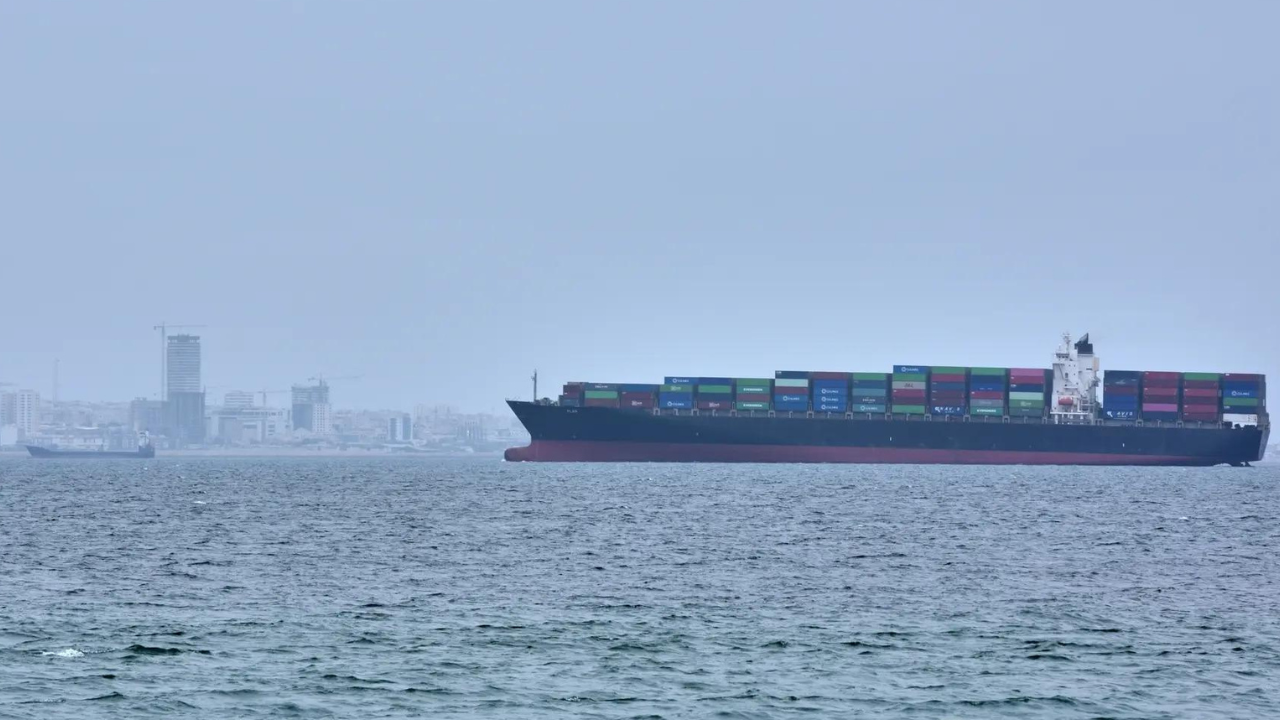
A total of 41 tankers carrying 69 million barrels of oil remain unable to offload cargo as a result of US enforcement measures, according to United States Central Command.
The command said that for over two weeks, US forces have successfully enforced the blockade which have cut off economic trade going into and out of Iran.

In a statement, CENTCOM also said US forces had achieved a “significant milestone” by successfully redirecting the 42nd commercial vessel attempting to violate the blockade. It added that the effort reflects the work of American service members in preventing maritime commerce from entering or exiting Iranian ports.
"Right now there are 41 tankers with 69 million barrels of oil that the Iranian regime can't sell. That's an estimated $6 billion-plus from which Iran's leadership cannot financially benefit. The blockade is highly effective and US forces remain fully committed to total enforcement," CENTCOM said through a post on X.
US president Donald Trump has reportedly directed aides to prepare for an extended blockade of Iran, US officials said, in a high-risk effort to pressure Tehran into conceding on its nuclear programme.
During recent meetings, including a discussion in the Situation Room on Monday, Trump chose to intensify economic pressure by restricting shipping to and from Iranian ports.
He assessed that alternative options, such as resuming military strikes or stepping back from the conflict, carried greater risks than continuing the blockade, as per sources cited by the Wall Street Journal.
"The blockade is genius. It has been 100 % foolproof. It shows how good our Navy is. Nobody's going to play games... We are not anymore, taking 18 hours of flight, just to see a piece of paper... I always like to meet face to face... But when you have to fly 18 hours every time you want to have a meeting, and you know what the meeting is all about, and you know they're going to give you a piece of paper that you don't like before you even leave, it's ridiculous... At this moment, there will never be a deal unless they agree that there will be no nuclear weapons," Trump had said.
Iran's stance on the blockade
Meanwhile, Iran has said it will continue to disrupt shipping traffic through the Strait of Hormuz in response to the US blockade of its ports.
Iranian officials said earlier this week that the country is capable of withstanding the blockade and cited the use of alternative trade routes, as reported by the BBC.
Oil prices have remained volatile since the start of the conflict, with Hormuz effectively closed for weeks.
Iran has sharply restricted shipping through the strait, which typically carries about a fifth of the world’s oil and liquefied natural gas supply, in response to US and Israeli strikes that began on February 28.
Earlier this month, Tehran also issued a warning that any vessel approaching the waterway could be targeted.
Despite recent volatility, oil prices remain significantly above pre-conflict levels.
Brent crude fell to $90 a barrel on April 17 following a ceasefire announcement between Israel and Lebanon, while the United States said it would pause attacks on Iran on April 8. Prices, however, continue to stay well above levels seen before the conflict.
In recent days, the benchmark has risen steadily over the past 12 days as the US maintained its blockade.