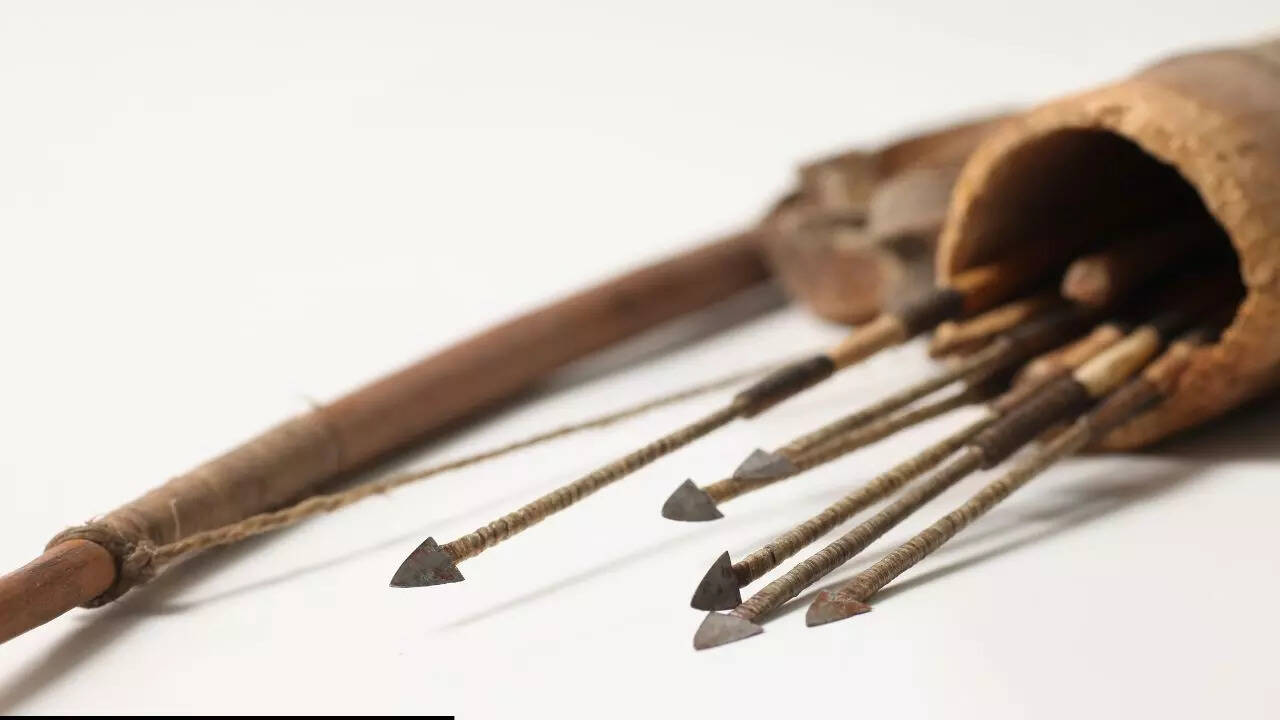
Stone artefacts from a rock shelter in South Africa have yielded chemical traces of toxic plant compounds, offering what researchers describe as the earliest direct evidence of poisoned hunting weapons. The backed microliths were recovered from layers dated to about 60,000 years ago at Umhlatuzana Rock Shelter. Using microchemical and biomolecular testing, scientists identified alkaloids associated with poisonous plants native to the region. The findings suggest that Middle Stone Age hunters applied plant-derived toxins to arrow tips far earlier than previously confirmed. Until now, secure chemical evidence of poisoned weapons has been dated to much later periods. The new analysis places this behaviour deep in the Pleistocene and adds detail to discussions about early human technology and subsistence strategies in southern Africa.
Researchers find toxic plant alkaloids on 60,000-year-old ancient South African arrow tips
Researchers analysed residue visible on ten small quartz-backed pieces believed to have served as arrow tips. Gas chromatography mass spectrometry revealed plant-derived alkaloids on five of the artefacts. Two compounds, buphanidrine and epibuphanisine, were detected.
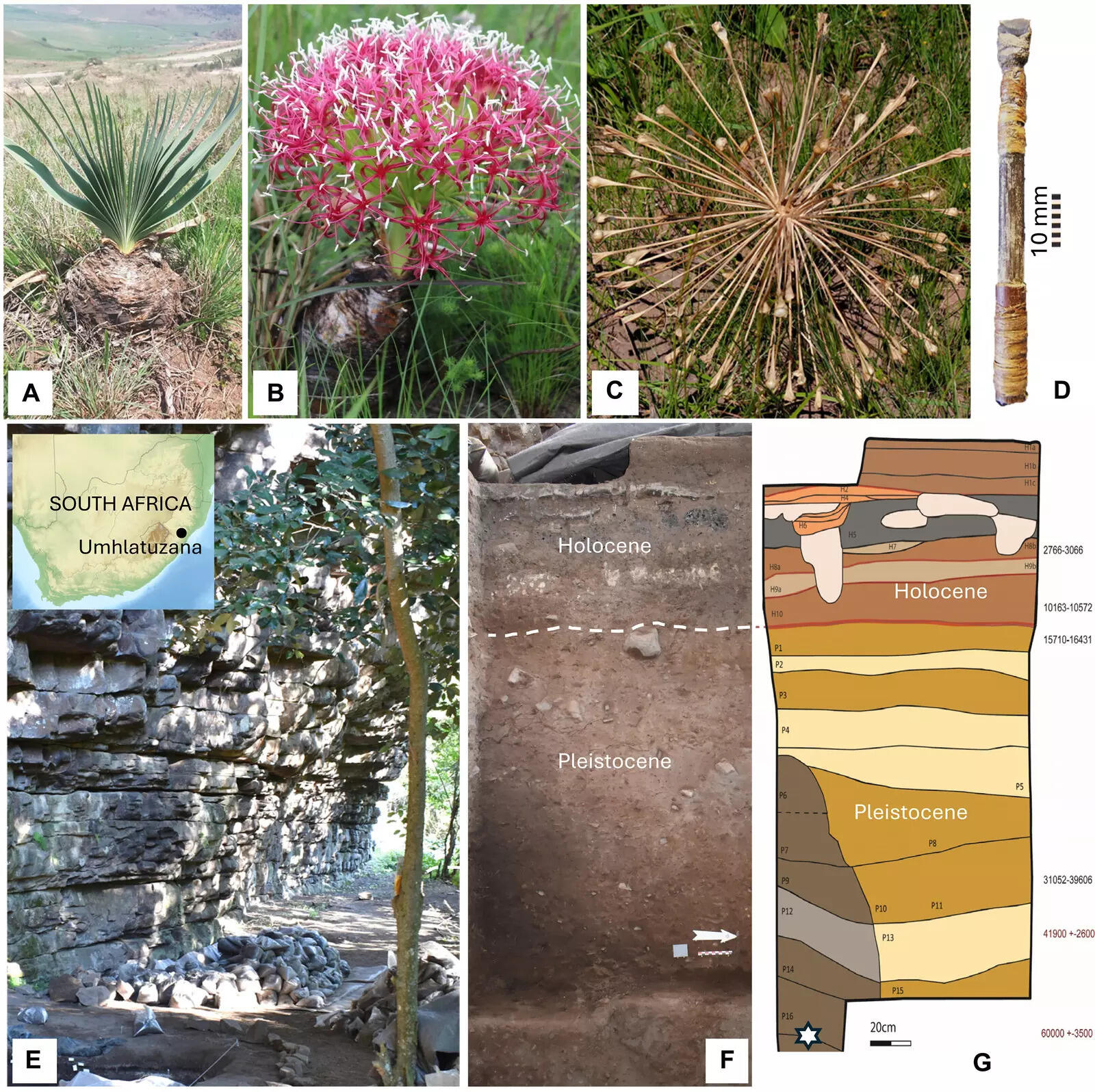
Both chemicals are associated with plants in the Amaryllidaceae family. In southern Africa, the most likely source is Boophone disticha, a species historically recorded as an ingredient in arrow poisons. Comparative tests on modern plant extracts confirmed matching chemical signatures. The compounds are relatively stable, which may explain their preservation over tens of thousands of years.
Evidence predates previous poisoned arrow discoveries
Before this study, the oldest confirmed poisoned arrows dated to the mid-Holocene, only a few thousand years ago. Earlier sites had produced indirect hints, including possible poison applicators and residues on other materials, but not clear chemical proof on weapon tips themselves.
The Umhlatuzana microliths come from sediment layers dated to roughly 60,000 years ago. Geological and sediment studies at the site indicate that, despite minor disturbance, the layers remain sufficiently intact to link the artefacts and residues to that time period. This pushes back firm evidence of plant-based poison use by tens of thousands of years.
Wear patterns support use as poisoned arrow tips
Microscopic wear and fracture patterns on the quartz pieces indicate impact at high speed. Residue distribution suggests the microliths were hafted transversely onto shafts, consistent with known arrow designs from later periods.
It looks like the poison was mixed into the glue that was used to hold the stone tip in place. That tiny detail matters. It means planning instead of coming into contact with poisonous plants by accident.
When you look at the chemical clues and wear patterns together, they show that the hunting system was planned. Picking out certain plants, turning them into poisons, mixing them with glues, and putting them on weapons all suggest skill and shared practice. Hunters in southern Africa were already using complex plant science to find prey 60,000 years ago.