Winter can be brutal, but your tools don’t have to suffer through it. The cold, damp months don’t just make your fingers numb—they silently wage war on your carefully maintained tools and expensive equipment. Rust, corrosion, frozen liquids, and damaged electronics all lurk in garages and sheds when winter storage is mishandled.
If you care about your gear surviving the season without drama, it’s time to tackle six storage mistakes that ruin tools and equipment, and how to avoid them with a mix of strategy and common sense.

1. Ignoring Cleanliness Is Asking for Rust
Plopping tools into storage without a thorough cleaning feels convenient, but winter punishes laziness. Dirt, grime, and leftover moisture create a perfect playground for rust and corrosion. Even a tiny bit of soil clinging to a metal blade or the remnants of sawdust in a drill housing can trap moisture, accelerating decay.
Before putting anything away, wipe it down, blow out dust from crevices, and dry every surface completely. For metal tools, a light coat of oil or a rust inhibitor can add an extra line of defense against winter’s dampness. Clean tools might seem like a chore now, but springtime will reward the effort with smooth operation and no surprise repairs.
2. Stashing Gas-Powered Equipment Without Fuel Prep
Gasoline-powered tools are convenient, but leaving them in storage with untreated fuel can turn them into nightmares. Gasoline breaks down over time, forming varnish-like deposits that clog carburetors and fuel lines. Ethanol-blended fuels worsen the problem, attracting moisture and promoting corrosion inside tanks. The fix is simple but often ignored: either drain the fuel completely or add a high-quality fuel stabilizer and run the engine for a few minutes to circulate it.
Don’t forget to prepare propane tanks for the cold and empty grills, blowers, or heaters if the manufacturer recommends it. Ignoring fuel prep guarantees that a stubborn, gummed-up engine will greet you when winter thaws.
3. Piling Tools Without Organization
Stuffing tools and equipment into a corner or a single bin may seem efficient, but it’s a fast track to damage. Heavy tools crushed under other objects, sharp edges scraping nearby surfaces, and tangled cords all accelerate wear. Storing items without thought also makes it harder to find what you need, leading to frustration and accidental breakage when digging through clutter.
Invest in hooks, shelving, and storage bins to give each item a safe home. For delicate electronics, invest in padded cases or waterproof boxes. A little organization now saves countless headaches later.

4. Neglecting Temperature and Humidity Control
Cold doesn’t just freeze fingers—it stresses materials. Extreme temperature swings cause wood to crack, metal to warp, and plastic to become brittle. Damp garages or sheds invite rust and mold growth. Tools stored on cold concrete floors absorb moisture and chill faster, while items in direct drafts experience repeated contraction and expansion.
Use raised platforms, insulating mats, or even simple shelving to keep tools off the floor. If possible, add a dehumidifier or moisture-absorbing packets in enclosed storage spaces. Maintaining a controlled environment protects gear from invisible winter attacks that can render it useless.
5. Forgetting to Remove Batteries
Battery-powered devices are winter warriors when used correctly, but leaving batteries inside tools during storage is asking for corrosion and dead cells. Lithium-ion batteries may slowly discharge, and alkaline batteries can leak, seeping acid that damages contacts and circuitry. Remove all batteries, store them in a cool, dry place, and check their charge occasionally if long-term storage is planned.
For rechargeable batteries, aim to store them at roughly 50% charge instead of full or empty, which prolongs their lifespan. This small step can save thousands in replacements and headaches next season.
6. Skipping Protective Covers
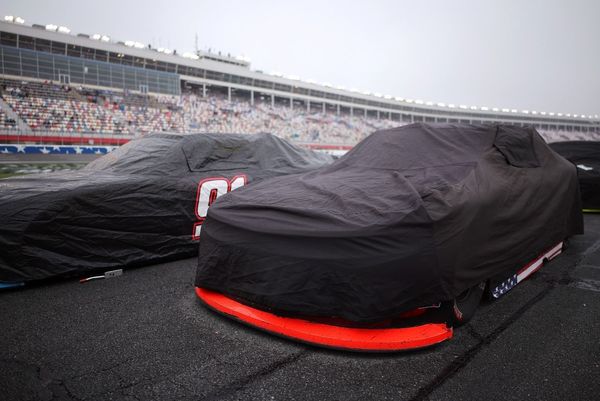
Covering equipment might seem trivial, but it can make the difference between a smooth start in spring and a pile of rusted mess. Dust, moisture, and even accidental impacts take a toll on exposed tools. Tarps, dust covers, and fitted cases create a buffer that keeps dirt off and maintains an even surface temperature.
For outdoor machinery like snowblowers or lawn tractors, breathable covers prevent condensation while blocking snow and debris. Think of it as a snug winter coat for your gear—unsexy, but absolutely necessary.
Winter-Proof Your Gear for the Long Haul
Winter storage doesn’t have to be a stressful guessing game. The six mistakes above—skipping cleaning, ignoring fuel prep, piling tools haphazardly, neglecting temperature control, leaving batteries inside, and skipping protective covers—each create avoidable damage. Taking proactive steps now ensures that your tools and equipment not only survive the cold months but are ready for action the moment you need them. It’s about respecting your investments and giving them a little TLC. Organized, clean, and carefully stored tools reward patience with reliability and longevity.
What’s the one storage mistake you’ve sworn never to repeat after a winter disaster? Share your experience in the comments below.
You May Also Like…
8 Tools You Should Only Buy in February When They Go on Clearance
State Troopers: The Way Men Carry Tools in Their Trucks Is Quietly Violating 2026 Weapon Laws
5 Signs Your Deck Has Structural Winter Damage
The “Winter Blend” Gas Myth That Is Costing You Money
7 Signs Your Dog Is Suffering from “Winter Itch”
The post 6 Winter Storage Mistakes That Ruin Tools and Equipment appeared first on Clever Dude Personal Finance & Money.