
For decades, open-plan living has dominated domestic layouts, being the aspiration for many. Up until the mid 20th century, separate living rooms were the norm, yet over the years, our desire for flowing, multifunctional spaces which promoted togetherness and family time, meant walls were removed, and rooms that once served dedicated functions merged into one.
Today, in an age of multi-generational living and escalating technology, and as design trends shift from minimalist to character-driven, are we craving those quiet spaces and pockets of privacy of yesteryear? Fueled by a desire for slow living, it seems designers are now reverting back to this format, creating tech-free ‘useless’ spaces for clients tailored to specific functions and analog experiences.

Also referred to as ‘analog’ or ‘dumb’ spaces by interior designers in recent years, these rooms are designed for offline activities, from quiet reading to creative hobbies, making them, ironically, anything but 'useless'.

’These dedicated rooms to escape to and connect in are incredibly intentional. As open-plan living dominated for years, we lost some of the intimacy that defined older homes,’ explains Connecticut and NYC-based interior designer, Darci Hether. ‘Now, clients are craving rooms with a clear purpose, whether that’s reflection, conversation, or creativity. These spaces support connection and calm, and they’re often the rooms our clients end up using the most.’
If you’re interested in analog trends and you're inspired to create a screen-free refuge to recharge, then you’re in the right place, as we’ve rounded up a host of ideas alongside some handy tips from the experts.
1. Library Rooms

There’s no doubt that spending time free from the distractions of the modern day and getting lost in a good book does wonders for wellbeing, so it’s understandable why the home library and reading nooks are seeing a resurgence.
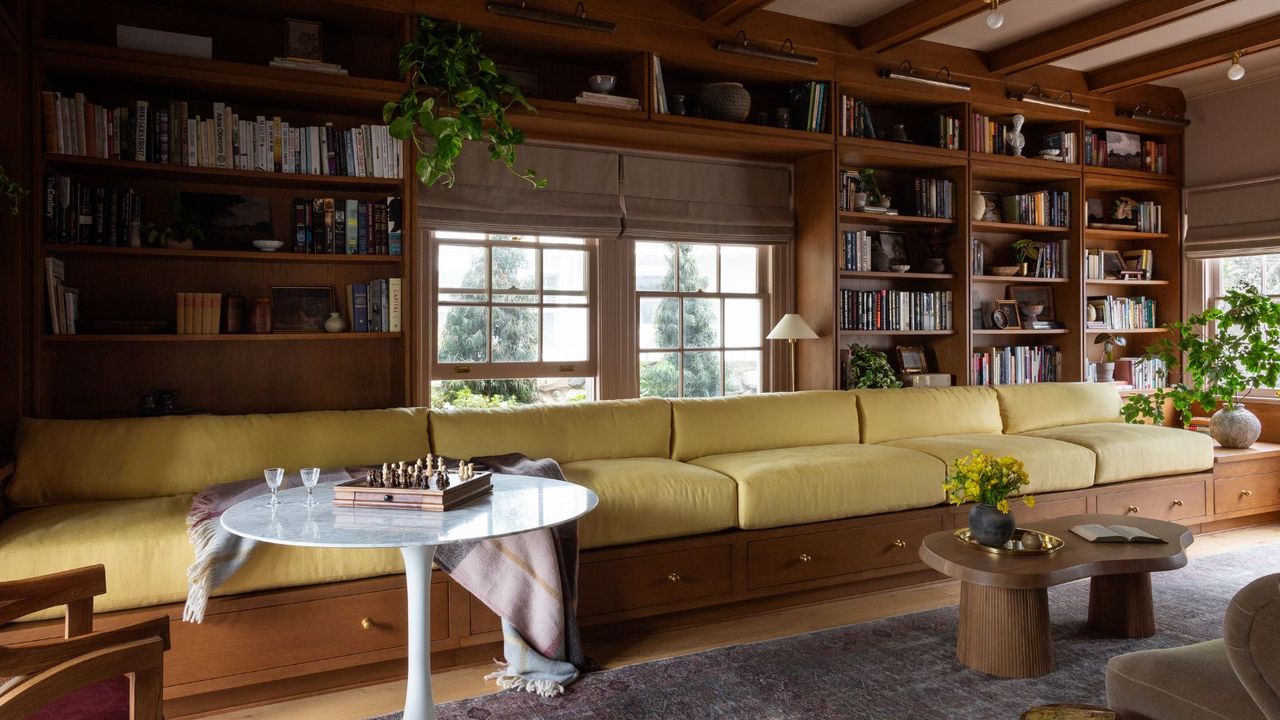
Here, California-based interior designer Alexandra Azat created a screen-free library room for her clients, taking care to make the space comfortable yet characterful. Previously, the home had been stripped of its character, so Alexandra took care to choose materials and lighting that would complement its history.
‘This was a historic home in Pasadena by the Arroyo. The clients are avid readers and wanted a cozy place where they could all play games and read together,’ explains Alexandra Azat, founder of Plaster & Patina. ‘We wrapped the room in white oak built-ins stained in a rich honey color to bring warmth, and we created deep built-in seating with dense cushions to lie back on.’
'We removed all of the can lights and instead installed beautiful beams with inlaid unlacquered brass flush mounts within them. We also added picture lights to the surrounding woodwork. The walls were painted a subtle blush, and the cushions were covered in a fun, buttery yellow fabric.'
Often, custom-built ins built around the architecture are key to a successful library room. Not only do they maximize storage space, when fitted floor-to-ceiling, they help create that cozy, refuge feel.
2. Tech-Free Lounges

For decades, large screens have formed the focal point of living rooms, but with more of us now conscious of digital overwhelm, today, many are placing importance on having screen-free living spaces dedicated to conversation.
‘Analog rooms are designed to encourage connection, conversation, and calm, and this gathering room is a perfect example,’ explains interior designer Tracy Morris. When it comes to designing these spaces, it’s all about comfort, she adds. ‘Instead of technology taking center stage, the focus is on comfortable seating arranged for face-to-face interaction, warm lighting, and tactile materials like leather, wood, and textiles.’
Dallas-based interior designer Kara Adam has also noticed a shift towards more restful, intentional spaces. 'We’re definitely seeing more clients ask for what I call ‘analog spaces’ – rooms that are really about quality time. Not in a dramatic, unplug-everything way, but spaces that just naturally make you want to slow down,' says the interior designer and founder of Kara Adam Interiors.
When designing them, she thinks first about how people gather. 'Comfortable chairs are key – if the seating isn’t good, no one lingers. I always add a few stools that can move around easily, small drink tables within reach, and lighting that’s soft and dimmable so the room feels just as good in the evening as it does in the afternoon.'
Texture in interior design is important too, she adds. 'Layered rugs, warm woods, upholstered walls, tactile fabrics. You want it to feel cozy and inviting, but not heavy. It’s a quieter kind of luxury, and clients are really responding to that right now.'
3. Home Bars

For those who love to entertain, a home bar is the dream. Offering custom-built spaces to create your favorite cocktails and unwind with friends, they're rooms designed to be offline and dedicated to socializing and relaxation. As they're not used every day, home bars are wonderful spaces for being a bit daring with decor, as demonstrated in this project by Autumn Dawn Design.
Here, bold green walls and statement upholstery bring a real sense of fun and occasion. ‘The clients are hobbyist food and wine connoisseurs who sought to transform an unused dining room into a library-bar lounge for afternoon cocktails and light reading. This space would house select cookbooks and memorabilia collected during their travels,’ explains Autumn Pochiro, founder and principal designer at Autumn Dawn Design.
‘The husband, an alumnus of Yale's architecture program, requested a color palette that would serve as a vibrant reflection of his academic experience. The layered environment, free from electronics and interruptions, offers a dedicated library and space to enjoy a premium Scotch as well as a perfectly chilled bottle of wine.’
4. Games Rooms

Often located in the basement, connected to a garage, or set within an outbuilding, game rooms designed to house larger equipment such as pool tables or ping pong are also sought after if space allows.
This sleek games room-cum-chillout space is bright, uplifting, and perfect for spending some wholesome family time away from the tech. The table doubles as a ping pong table, while around the corner is a shuffleboard. In the seating area, natural wood and warm leather are layered with tactile textures, including boucle and velvet, which help make this space feel like a grounding and relaxing refuge.
'We’re seeing a real appetite for spaces that feel intentionally analog. After years of open-concept living and screen-driven rooms, clients are craving environments with more mood, texture, and purpose. Especially in lower levels, we’re designing defined zones for gathering, games, hosting, conversation, and overnight guests,' explains Erin Coren, co-founder of Curated Nest. 'These spaces are meant to encourage interaction rather than distraction. Architectural details aren’t just aesthetic choices; they help frame experiences and create zones and a sense of place in a larger space.'
5. Music and Listening Rooms

Whether you play an instrument or just love listening to music, having a dedicated space to zone out and tune in is a wonderful way to spend some quality offline time. With space often at a premium for many, dedicated hobby or music rooms aren't always a possibility for everyone. Instead, many designers are turning to clever zoning techniques to create dedicated listening or music areas, as done here by Anne McDonald Design.
‘I love creating tech-free spaces for our clients – special zones designated for conversation, game playing, music listening, and just lounging together or solo with a great book,’ explains Anne McDonald, founder of Anne McDonald Design. ‘This listening space is a nook within this home's formal living room, which we cocooned in House of Hackney's Limerence wallpaper and fitted with a custom-built-in birch wood wall unit with specially designed cabinets for vinyl storage and accessories.’ Warm natural tones bring a relaxing, organic feel, while a vintage Turkish rug and the rattan armchair add further warmth and texture.
As with so many hobby spaces, the key to success is often in the customized design and attention to detail. ‘We custom-designed this sectional, which is covered in a Zak & Fox retro print. The combination of the rosewood Eames chair covered in Rosemary Hallgarten purple mohair and the vintage Giraffe lamp from Rispal makes the perfect place to curl up with a glass of whiskey,' adds Anne.
6. Spiritual Spaces

As interest in wellness grows, spaces dedicated to spiritual nourishment, such as yoga, meditation, and prayer spaces, are on the rise, according to designers.
‘In many of our recent projects, clients have asked for specific areas that offer restorative and personal activities,’ explains Darci Hether. ‘Here, we transformed a former guest bedroom into a serene at-home yoga studio layered with soft, natural textiles, dimmable lighting, and an ample amount of space to lay a couple of yoga mats as well as meditation cushions.’
In these spaces, calm neutral palettes are the go-to, alongside natural textures. Furniture is limited to a few functional pieces, and no space is complete without some vitality-boosting greenery.

This space by Curated Nest was specifically designed as a his and hers yoga studio-cum-gym. ‘We split the space in half (his and hers!) and brought in typical gym rubber flooring on the workout side of the room, and a light wood floor on the yoga side. We opted for boho-inspired decor as you'd see in Bali, one of their favorite vacation spots,’ explains Erin Coren, co-founder of Curated Nest.
A mirrored wall makes the room feel larger and brighter and is fitted with a ballet barre. Rattan pendant lights give a soft glow ideal for meditation, while greenery and candles add to the relaxed mood. ‘The space came together through the combination of dark and light woods and rattan elements throughout, and offered our clients a gym where their (very different!) design goals were achieved.'
Stylish Buys for Analog Spaces
From sleek, sophisticated furnishings and warm ambient lighting to vitality-boosting greenery, these key buys are perfect for serene screen-free spaces.
Low slipper-style seating is great for analog spaces designed for socializing and relaxation. Comfortable yet stylish, the simple silhouette and low-profile design of this Carmella chair will keep spaces feeling spacious and open.
If you're planning a home library, then bookshelves are essential. Available in a Worn Oak or Smoke Black finish, this Alistair wooden bookcase makes a timeless and functional piece.
Creating soft, ambient light, wall sconces are perfect for rooms dedicated to conversation and relaxation. The fitting features a warm brass finish and can come with a wide array of decorative shades to suit any scheme.
No analog space would be complete without some wellness-boosting greenery. Standing tall at 72.5 inches, this leafy faux indoor tree will help create a feeling of escape and refuge.
Offering closed storage as well as a handy display space, this sideboard would be at home in a home bar, games room or analog social space. Made from solid wood with stylish, dark fluted doors and brass handles, it oozes retro chic.
Soft, warm lighting is essential in analog rooms. With a solid walnut beaded stand and natural jute shade would inject warmth and texture to any space.
After decades of open-plan living, designers are now noticing a shift towards more private, intentional spaces. Today, private, tech-free spaces once seen as ‘useless’ are growing in popularity as we seek to embrace offline activities as part of more slow living homes.
'We’re seeing clients ask for rooms with a singular purpose, such as libraries, music rooms, and games rooms - spaces that aren’t anchored by a television or screens,' explains Andrew Suvalsky, founder of New York–based Andrew Suvalsky Designs. 'When every room does everything, it loses clarity, and people are craving environments where they can actually focus on one activity without distraction.'