
Get all your news in one place.
100’s of premium titles.
One app.
Start reading
Livingetc
Livingetc
Olivia Wolfe

6 Things That Are Making Your Home Look 'Cheap' — Designers Say What to Ditch for a More Expensive-Looking Home

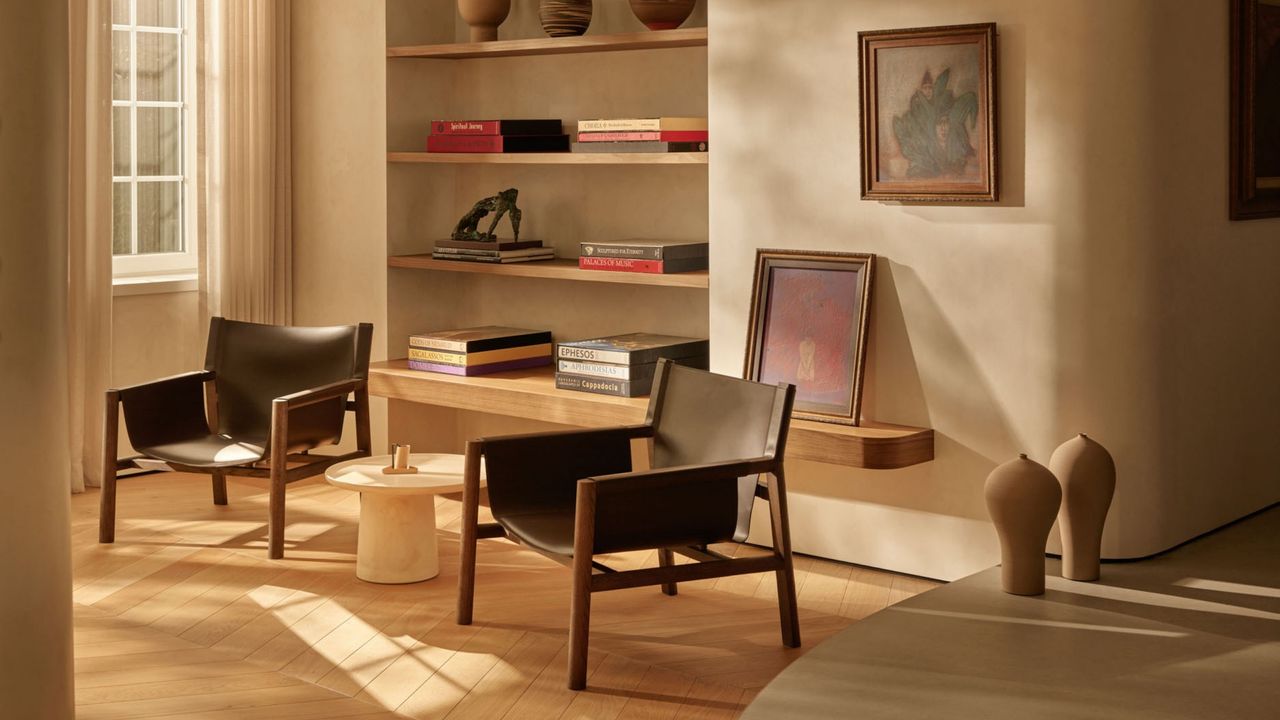
Image of a beige living room with a large built-in bookshelf with several stylish coffee table books stacked on it. There are two black leather and wooden accent chairs with a small white marble side table between them.

It's safe to say that nobody wants a home that looks cheap. However, 'cheap' isn't about budget; it's about a lack of intention. Sometimes, the good ideas of years past don't make sense with your current tastes. When it comes to setting a clear and curated aesthetic for your interior, there is no better time to implement a decor refresh than at the start of a new year.

So, what is it that's bringing your interior down? Is it the harsh, outdated lighting? Is it the slightly over-curated bookshelves you styled several years ago? Knocking the bits that are making your home look cheap in 2026 isn't about ditching one interior design trend for the next; it's about making essential swaps so you can build a home that reflects comfort, personality, and growth.

"When a home doesn't reflect the people living there, it starts to feel temporary — like it's waiting to be approved by someone else," says London-based interior designer, Juliana Custers. A fashionable and luxurious home isn't something you want to confuse with 'cheap'. Below are six possible ways you could be lowering your home's worth, and what to do instead.

1. Playing it Safe

INSTEAD: Lean boldly into your personal style. (Image credit: Juliana Custers)

The biggest offender when it comes to a home that reads 'high street' rather than 'high end'? Playing it safe. Juliana Custers says, "Homes that are designed to offend no one rarely excite anyone." You won't get that one-of-a-kind luxury feel if you rely solely on go-to neutral color schemes and furniture chosen only for function.

"The biggest culprit I see is the continued reliance on default choices — white walls, white kitchens, cool white lighting — all under the guise of being 'neutral' or 'timeless,'" says Juliana. "In reality, it often reads as indecision and a cheap developer."

The best way to combat safe decisions turning bland and basic is to confidently lean into your personal style. For me, I think of the saying, "If you don't hate your new haircut at first, then it isn't a good haircut." Meaning that often our bolder choices can be slightly scary when first installed, but they almost always reap a higher reward.

2. Bad Lighting

INSTEAD: Think of ambiance and aesthetics when selecting the lighting for your space. (Image credit: John Cullen)

Another easy design killer: lighting. Juliana says, "Bad lighting is the fastest way to kill a space." Cool white bulbs in living areas create a flat, clinical atmosphere that no amount of furniture can fix. The easiest way to bring your lighting back from the land of the low-end? Introduce a layered lighting scheme.

"Overhead lights without dimmers or the absence of layered lighting can make a home feel harsh or unfinished," explains Matthew Coates, interior designer and founder of Seattle Architects. "Swapping outdated light fixtures or adding table and floor lamps is a relatively affordable way to create warmth and sophistication." Not to mention the perfect excuse to grab the chic table lamp you've been eyeing.

Basically, "If your living room lighting feels more suitable for a dentist than a dinner party, that's your sign to start sourcing more stylish (and much warmer) overhead lighting alternatives," says Juliana. Pro tip: Try 2700K + bulbs.

3. Lingering Decor

INSTEAD: Choose your decor with tact. Mix a personal piece with something luxurious and keep clutter to a minimum. (Image credit: Soho Home)

I'm sorry in advance to the sentimentalists, but 'lingering' decor is another culprit of cheap interiors. Specifically, "Anything that's lingering out of habit rather than love," says Juliana. Think scratchy throws, cushions that have completely lost their shape, novelty accessories that no longer say anything about you.

You don't need to go throwing out knick-knacks you picked up on your favorite holiday, but "If it came with you through three flats and a breakup, it's probably time to let it go," says Juliana.

These pieces quietly lower the tone of a room. Your bookshelf styling ends up looking more cluttered than curated, and coffee tables lose their sleek, streamlined aesthetic. In cases of too much stuff, editing is far more powerful than adding. "One properly made wool or cashmere throw will always feel more luxurious than a pile of synthetic layers," says Juliana.

"No matter how much you spend on decor, a cluttered space can never look elevated," Matthew notes. "Investing in smart storage ideas or simply paring down can make a world of difference."

4. Overcuration

INSTEAD: Let your decor and design decisions speak for themselves. (Image credit: Design Within Reach)

On the contrary, perfection is also out when it comes to elevated interiors. You don't want a space cluttered with meaningless items, but you also want to be wary of overcorrecting too far in the other direction.

"High-gloss finishes, ultra-smooth surfaces, and stark whites (when not properly balanced) feel increasingly harsh and unforgiving," says Juliana. Too much perfection in this sense often treads into 'stock-room' feeling territory.

2026 is about materials that have depth and character. "Decorating with warm, layered neutrals, surfaces that absorb light and sound rather than bounce it back, stone with movement, timber with grain, finishes that age rather than stay pristine," lists Juliana. Think personality, not presentability.

The plague of over-curation often rears its head in the form of painting mistakes. "Homes painted entirely in one color or the wrong paint finish often feel staged and oddly anonymous. It gives me the creeps. Hello, is anyone home?" says Juliana.

Spaces should shift as you move through them, just like people do. Lack of color and variation makes it feel cheap.

5. Matchy-Matchy Furniture

INSTEAD: Balance and contrast different pieces for a more dynamic space. (Image credit: Dave Wheeler. Design: Georgina Wilson)

Next up? Matching furniture sets. "I'll be blunt: a matching three-seater and two-seater sofa feels like the first thing chosen in a catalogue, usually under pressure," says Juliana.

While sometimes matching furniture sets can be an affordable and easy way to fill a room, they often read as flat. "Especially when clad in dark wood or dark leather, they can easily date a home and make it feel low-budget," Jennifer Jones, principal designer at Niche Interiors adds.

Instead, think of how your furniture interacts with one another when selecting your pieces — a sofa paired with armchairs in a different fabric, or two sofas that complement without matching. Breaking away from uniformity ultimately makes for a more interesting space.

You don't have to break the bank to uphold this idea either, thrifting furniture is a fabulous way to introduce unique pieces into your design.

6. Too Much Visible Tech

INSTEAD: Try blending your tech into your decor or opting for more analog-focused rooms. (Image credit: Kevin Brost. Design: Brittny Smith of Homesmith Design)

Too many screens in communal spaces don’t help either. "Luxury today is about how a room makes you feel, not how many things it can house. Luxury is very much staying away from work and more about life, let's not have office reminders in our bedroom," says Juliana.

Carving out designated listening rooms or game rooms (even if it's a corner in the living room) makes your tech feel more intentional and less overbearing.

Obvious cords are also a problem. Jennifer adds, "If your TV is on a media cabinet or your computer is in plain sight, invest in a simple cord control solution to hide cords," she suggests. "Your space will feel so much tidier and put together."

In fact, why not carry the analog January trend into the entire new year? The shift towards more intentional interiors feels like a relaxing, deep breath in the face of the hyper-digital world.

The most successful interiors feel collected, not installed — a mix of old and new, refined and relaxed. "Before buying anything, ask yourself whether it adds comfort, depth, or meaning. If it's only there to fill space or follow a trend, it won't age well," says Juliana.

The most luxurious homes in 2026 won't be the most expensive — they’ll be the most confident. Homes that feel lived-in, layered, and unapologetically personal.

And here's how you can make your home feel like new this year, without actually buying anything.

Sign up to read this article
Read news from 100’s of titles, curated specifically for you.
Already a member? Sign in here
Related Stories
Top stories on inkl right now
Our Picks
Fourteen days free
Download the app
One app. One membership.
100+ trusted global sources.