ANALYSIS — Four more states held primaries this week, marking the halfway point of the 2026 primary season.
A total of 26 states have conducted regular congressional primaries so far this year, the latest being Maine, Nevada, North Dakota and South Carolina, where voters cast their ballots Tuesday.

A handful of those states still have important primary runoffs ahead, including for the Republican Senate contest in Alabama and GOP races for governor, Senate and the 11th District in Georgia on June 16. A week later, on June 23, South Carolina plays host to key runoffs in the 1st District and the GOP race for governor. Then there’s the GOP Senate runoff in Louisiana on June 27 and the Republican gubernatorial runoff in South Dakota on July 28.
But Arkansas, California, Idaho, Illinois, Indiana, Iowa, Kentucky, Mississippi, Montana, Nebraska, New Jersey, New Mexico, North Carolina, Ohio, Oregon, Pennsylvania, Texas and West Virginia are done selecting nominees along with Maine, Nevada and North Dakota this week. (To get ahead of emails from readers, yes, Alabama will have another slate of primaries in some districts because of late court decisions regarding redistricting, while Louisiana will hold jungle primaries this fall for its six House seats. )
Here are six takeaways at the halfway mark during the 2026 midterm primary season:
Front-runners don’t always win
Rep. Raja Krishnamoorthi had an initial advantage in the polls and a significant fundraising edge in the Democratic primary for Senate in Illinois, and former state Attorney General Daniel Cameron had the early lead for the GOP Senate nomination in Kentucky. But Democratic Lt. Gov. Julianna Stratton and GOP Rep. Andy Barr effectively deployed their resources and peaked at the right time to secure critical nominations in races Inside Elections rates as Solid for either party.
The Democratic Senate race in Iowa was muddled, but eventual winner Josh Turek had to come from behind to clinch victory. Former House member and Biden Cabinet secretary Xavier Becerra was languishing in a crowded primary for governor in California, and now he’s well-positioned to lead the Golden State next year.
But front-runners still win a lot
While surprises, upsets and comebacks get a disproportionate amount of attention, sometimes conventional wisdom holds. Rep. Ashley Hinson was the wire-to-wire leader in the Iowa Republican primary after GOP Sen. Joni Ernst declined to run for reelection. In North Carolina, Democratic former Gov. Roy Cooper and former Republican National Committee Chairman Michael Whatley cruised in their respective Senate primaries. Former Sen. Sherrod Brown’s Democratic nomination in Ohio was never in doubt.
It’s rough sledding for House members seeking promotions
Reps. Ralph Norman and Nancy Mace, who are poised to finish third and fifth, respectively, in the GOP gubernatorial primary in South Carolina, are just the latest House members to struggle to make the jump to statewide office.
CQ Roll Call’s Daniela Altimari wrote about the trend last week after Rep. Dusty Johnson finished third in the Republican primary for governor in South Dakota and Rep. Randy Feenstra, who won a late endorsement from President Donald Trump, failed to win the GOP nomination for governor in Iowa. Texas Republicans Chip Roy and Wesley Hunt and Georgia Republican Earl L. “Buddy” Carter have lost races as well, as have Democrats Jasmine Crockett of Texas, Robin Kelly of Illinois and Krishnamoorthi. That dynamic could be concerning for Republicans Mike Collins in Georgia and Barry Moore in Alabama, who still need to win runoffs to move on.
Trump’s endorsement still matters
Despite his slumping job approval ratings nationwide, President Donald Trump’s endorsement record in Republican primaries is stellar, with the exception of Feenstra’s loss last week. Not only have his endorsed candidates won key open-seat races around the country, but the president has helped topple incumbents, including Kentucky Rep. Thomas Massie and Louisiana Sen. Bill Cassidy. On Tuesday, Trump’s endorsement helped South Carolina Lt. Gov. Pamela Evette finish first in the GOP primary for governor, although it wasn’t enough to win the nomination without a runoff.
Incumbency isn’t always an asset
It’s hard for longtime senators to shed a reputation. Texas Republican Sen. John Cornyn earned a reputation for not being sufficiently loyal to Trump, and he paid the ultimate electoral price in the primary. Despite Cornyn’s efforts to ingratiate himself with Trump through social media posts showing him reading “The Art of the Deal” and offering to rename a Texas highway after the 47th president, Trump endorsed state Attorney General Ken Paxton, who easily defeated Cornyn in a runoff last month.
Even though Sen. Lindsey Graham has been one of Trump’s most vocal allies for years, some Republicans in South Carolina haven’t forgiven him for once being a critic. The senator received an uninspiring 57 percent of the vote in Tuesday’s GOP primary and could face an unexpectedly competitive general election race against Democratic pediatrician Annie Andrews.
Primary voters want fighters
Above all else, primary voters appear to be prioritizing style over substance. In Texas, Paxton has a serious set of political baggage — including a previous impeachment by state Republicans and a public divorce following allegations of infidelity — that would have disqualified a candidate 20 years ago. But his brand of political brashness and loyalty to Trump helped him topple Cornyn.
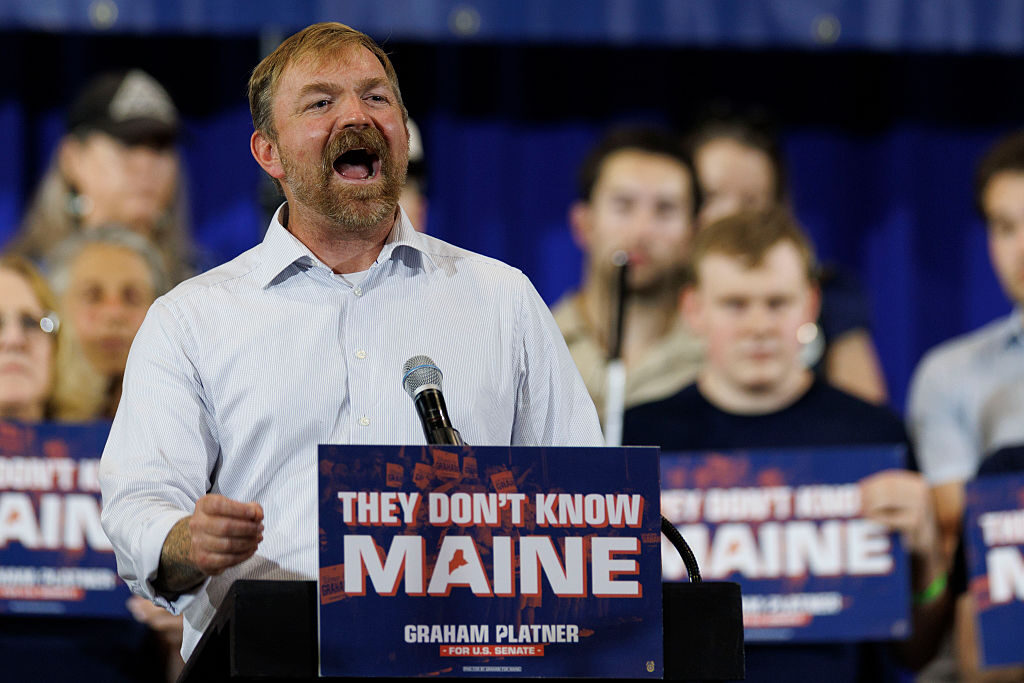
Primary voters in Maine gave Graham Platner more than 70 percent of the vote in the Democratic primary despite a series of negative headlines concerning his chest tattoo, Reddit posts, text messages to women who weren’t his wife and allegations of misbehavior in his past relationships. His profile as a political outsider and tell-it-like-it-is style is a good example of what Democratic primary voters are looking for as the party tries to regain some ground after losing nearly everything in 2024.