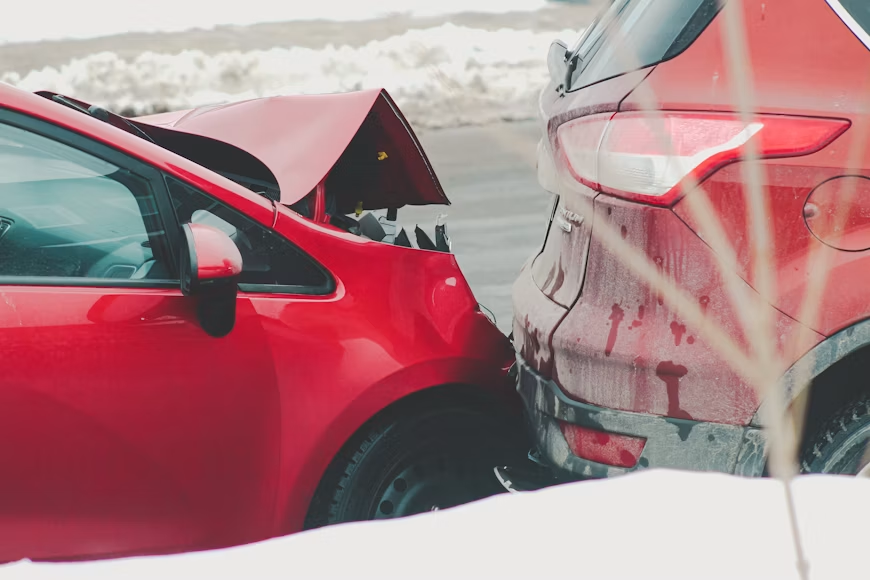
The US Department of Transportation Federal Highway Administration estimates that every year, over 62 million crashes occur during adverse road weather conditions. It's already difficult enough navigating roads when there are so many motorists around, and when you add in conditions like high winds, heavy rain, or thick fog, it's easy to make a mistake.
Car crashes can already be stressful enough, and during extreme weather conditions, panic can set in quickly. Here are the six crucial steps you should take to make sure you've addressed everything correctly.
1. Document the Weather Conditions and Crash-Specific Evidence Immediately
Gathering the right evidence is critical because weather-related accident scenes can change in an instant. You should take photos and videos of things that may have contributed to the collision, such as:
- Standing floodwater
- Fallen trees
- Damaged traffic signals
- Washed-out roadways
- Ice patches
- Reduced visibility conditions
- Heat-damaged pavement
You should also capture the positions of all vehicles before they're moved (if it's safe to do so). It can be beneficial to save weather alerts, storm warnings, radar screenshots, and local weather reports, too.
Since weather-related claims often involve disputes about road conditions and driver responsibility, preserving evidence immediately can be a huge lifesaver.
2. Seek Medical Care and Consult a Personal Injury Lawyer Early
Injuries from weather-related crashes may not be immediately obvious, such as soft-tissue injuries, concussions, and delayed symptoms that can appear days later. This makes it vital to seek a medical evaluation as soon as possible and follow all recommended treatment plans. Keep all copies of medical records, bills, prescriptions, and appointment notes, too.
It's also wise to speak with a personal injury lawyer like Shull & Klenda. Weather-related accident claims can be complex, and early legal guidance can ensure that things go more smoothly.
3. Notify Your Insurance Company Carefully and Stick to the Facts
You should promptly report the accident to your insurer, but use caution when discussing fault or providing detailed recorded statements. Often, weather-related crashes involve complicated questions about:
- Visibility
- Roadway maintenance
- Emergency warnings
- Driver behavior
Of course, it's crucial that you provide accurate information, but avoid speculation about who caused the accident.
In addition, you should keep records of every conversation, email, claim number, and document exchanged with insurance representatives. Make sure that details about floodwater, storm debris, or extreme heat are included if they contributed to the crash.
Clear and consistent communication can help prevent misunderstandings that may later affect coverage decisions or settlement negotiations.
4. Preserve Vehicle Damage Evidence Before Repairs Begin
Before authorizing repairs, thoroughly photograph all vehicle damage from multiple angles. In flood-related crashes, document water lines, mud residue, corrosion, and damaged electrical components. For hail, falling debris, and heat-related mechanical failures, you'll need detailed images of the affected areas.
If your car is declared a total loss, then request copies of valuation documents and maintain records of its pre-accident condition. Also, you should keep:
- Repair estimates
- Towing invoices
- Storage receipts
- Inspection reports
5. Track Climate-Related Losses and Additional Expenses
In many cases, extreme weather accidents create financial losses beyond vehicle repairs. For example, flooding and severe storms can leave drivers with:
- Temporary transportation costs
- Lost income
- Hotel stays
- Emergency relocation expenses
It's essential to not only keep all receipts related to out-of-pocket costs connected to the crash, but also to have a written log documenting things like:
- Missed workdays
- Medical appointments
- Disruptions
6. Understand Filing Deadlines and Legal Requirements
Even if your crash was weather-related, it's still subject to strict legal and insurance deadlines. Missing these can jeopardize your ability to get compensation. Some claims may involve government entities responsible for road maintenance, drainage systems, traffic control devices, or emergency response measures, and this can trigger shorter notice requirements than standard personal injury claims.
It's vital that you review your insurance policy carefully and keep track of all claim-related deadlines. Taking action promptly gives you the best opportunity to preserve evidence and protect your legal rights.
Be Careful Driving in Extreme Weather Conditions
Extreme weather conditions can be nerve-racking to drive in, so be extra vigilant. Accidents can still happen, of course, so knowing exactly what to do can help you remain levelheaded and ensure that you build a strong case for compensation.
To find more articles like this one, keep browsing our website.