
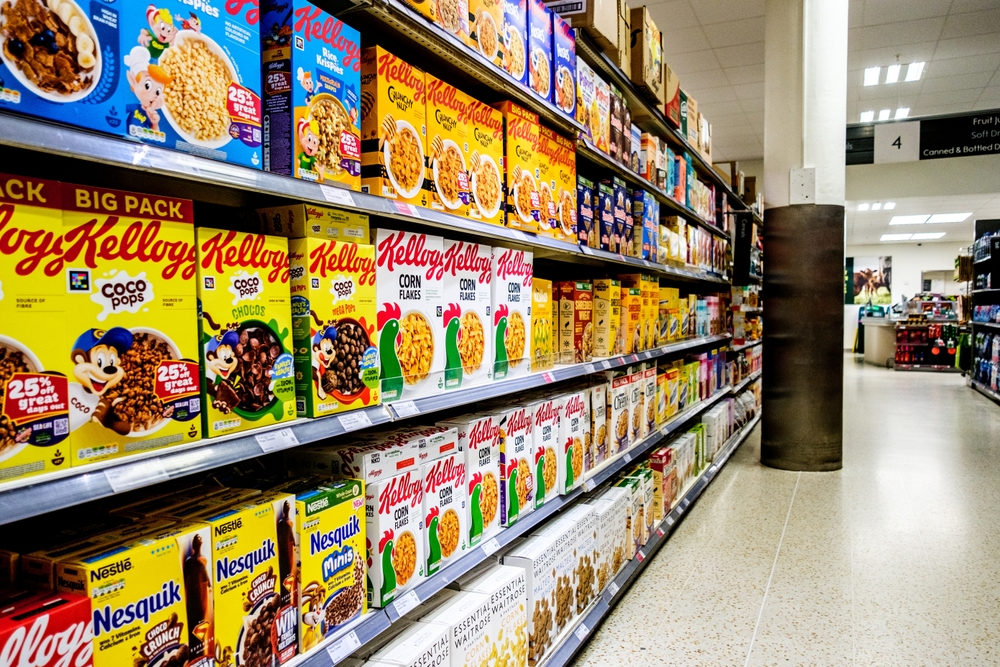
If the pantry looks like a mini snack aisle, it’s worth knowing that some products (or U.S. versions of them) don’t meet rules in other places. In several countries, bans and restrictions focus on specific additives, colors, or safety risks that show up in brightly packaged treats. That doesn’t automatically make every item “dangerous,” but it does explain why parents overseas sometimes see different ingredient standards on the same kinds of foods. Here are six real examples, plus what those decisions can teach families shopping at home.

1. Skittles
Skittles became a headline example among popular kids’ snacks because the European Union banned titanium dioxide as a food additive in 2022, which meant products using it couldn’t be sold there in the same formulation. That matters because titanium dioxide had been used in candy for color/opacity, and it’s one of the additives that triggered “this can’t be sold here” rules. In the U.S., Mars later removed titanium dioxide from Skittles, but older packages may still show it while inventory works through stores. This is a good reminder that “same brand” doesn’t always mean “same ingredients” across countries. When a candy’s look is the selling point, it’s often the color additives that run into the strictest rules first.
2. Jelly Mini-Cup Candies (Konjac “Mini Jelly” Cups)
Mini jelly cups made with konjac have been banned in the EU because of choking concerns, especially for children. The issue isn’t “sugar vs. no sugar,” but the gel texture and shape that can lodge in the throat. These popular kids’ snacks products are often marketed in bright fruit flavors that look child-friendly, which is part of why they draw extra attention from regulators. If these cups show up in international markets or online listings, the same product type may be legal in one place and banned in another. For a similar “sweet and fruity” vibe without the mini-cup risk, shelf-stable fruit leathers or dried fruit are easier to portion and pack.
3. Peeps Marshmallow Chicks (Certain Pink or Purple Varieties)
Some Peeps colors have used Red Dye No. 3 (erythrosine), and that dye has been restricted in the EU for decades. In the EU, erythrosine has been authorized only for very limited uses (not as a general candy color), which means many products using it would need reformulation to be sold there. That’s why a treat can feel “normal” in one country but functionally off-limits in another. Even in the U.S., Red 3 is being phased out under the FDA’s 2025 ban timetable, which is pushing more companies to switch colors. When marshmallow snacks are on the list, it’s usually the dye doing the heavy lifting, not the marshmallow itself.
4. Brach’s Conversation Hearts and Brach’s Candy Corn
Brach’s Conversation Hearts and Brach’s Candy Corn are examples of popular kids’ snacks that has shown up in reporting about Red Dye No. 3 in U.S. foods. Because Red 3 has long been restricted in the EU, products relying on it don’t translate cleanly into overseas shelves without ingredient changes. That doesn’t mean every heart or candy-corn piece everywhere uses it, but it shows how a single dye can decide whether a product crosses borders. If a family tries to reduce dye exposure, this is one of those “read the color line” moments on the ingredient list. A simple swap is choosing a chocolate-based seasonal candy, since many mini chocolate bars don’t rely on bright synthetic colors for their look.
5. Dubble Bubble Original Twist Bubble Gum
Dubble Bubble Original bubble gum has ingredient lists that include FD&C Red 3 on some product packaging and retailer ingredient pages. That matters because Red 3 restrictions differ widely, and the EU’s limits make “brightly colored candy gum” a common reformulation target. Gum is a classic lunchbox add-on, but the colorants are often doing more than the flavor when it comes to regulatory attention. If a family wants gum without the same dye concerns, uncolored mint gums or “white” bubble gums are usually easier to find. This is also a good moment to check serving size, because it’s easy for gum to turn into multiple pieces a day without anyone noticing.
6. Pez Candy Refills
Pez is another of the popular kids’ snacks that has been cited by consumer advocates as showing up in Red 3 discussions alongside other brightly colored sweets. Because countries regulate dyes differently, a candy that’s easy to buy in one place may need a different recipe to be sold elsewhere. That’s why the “banned overseas” conversation often boils down to a tiny line on the label where certified colors are listed. If a family keeps novelty candies around, treating them like an occasional treat instead of a daily habit is the simplest risk-reducer.
For a similar “fun factor,” sticker treats, novelty toothpicks, or small toys can replace the dispenser habit without becoming a food routine.
What Parents Can Learn From These Snack Bans
International bans don’t mean a pantry has to be purged overnight, but they do show how much rules can differ depending on additives and safety concerns. When popular kids’ snacks are the issue, the deciding factor is often colorants or a specific ingredient that other countries restrict more tightly. A practical habit is checking the ingredient list for certified colors and noticing when a product is “bright” mainly because of dyes. Another smart move is buying single servings first, because reformulations (or “new versions”) can taste different than the snack a family remembers. Over time, swapping in less brightly colored options a few days a week can reduce additive exposure without turning snacks into a daily battle.
Which of these popular kids’ snacks bans surprised families the most, and what swaps have actually worked without causing snack-time drama?
What to Read Next…
Ways to Make After-School Snacks That Are Cheap, Nutritious and Kid-Approved
7 Popular Lunch Snacks That Were Quietly Recalled
Silent Danger: 8 Common Foods That Are Choking Hazards For Young Children
Stop Buying This: 6 Food Items That We Think Are Healthy but Are Bad for Our Children
7 Lunch Foods That Make Kids a Target for Teasing
The post 6 Popular Kids’ Snacks That Were Just Banned in Other Countries appeared first on Kids Ain't Cheap.