Get all your news in one place.
100’s of premium titles.
One app.
Start reading
Grocery Coupon Guide
Travis Campbell

6 Packaging Tricks That Make Shoppers Pay More for Less

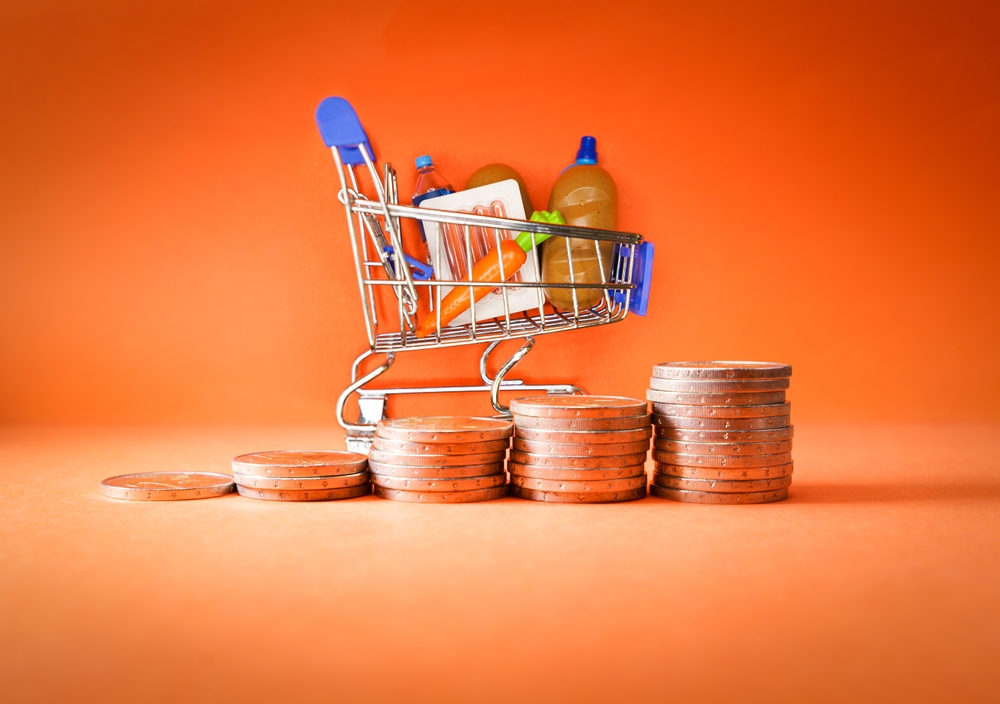
Image source: shutterstock.com

Have you ever grabbed a product off the shelf, feeling like you scored a deal, only to realize later you got less for your money? You’re not alone. Grocery stores and brands use clever packaging tricks to influence what you buy and how much you spend. These tactics can make you pay more for less product, all while making you think you’re getting a bargain. Understanding these packaging tricks helps you become a savvier shopper and stretch your grocery budget further. Let’s unpack six of the most common packaging tricks that make shoppers pay more for less, so you can spot them during your next grocery run.

1. Shrinkflation: Less Product, Same Package

Shrinkflation is a sneaky packaging trick where brands reduce the size or quantity of a product but keep the packaging—and the price—almost the same. You might grab your favorite bag of chips or box of cereal, but notice it feels lighter. That’s because you’re getting less product for the same price. Companies bank on the fact that most shoppers focus on the front label and price, not the net weight or volume.

This packaging trick is especially common with snacks, frozen foods, and pantry staples. Next time you shop, compare the net weight or unit count to what you remember from previous purchases. Checking the price per ounce or per unit on the shelf tag can help you spot shrinkflation in action.

2. Oversized Packaging: Making Products Look Bigger

Have you noticed how some products come in large, bulky boxes or bags, but the actual item inside is much smaller? Oversized packaging is designed to make products appear bigger and more valuable than they are. This packaging trick plays on our instincts—bigger packaging feels like a better deal, even if there’s a lot of empty space inside.

This tactic is often used for snacks, health bars, and even household goods. Extra cardboard or plastic inserts help keep packages looking full. Always check the actual product size and compare it to similar items. Don’t let the package size fool you into paying more for less product.

3. False Bottoms and Hidden Inserts

Some packaging tricks go a step further with false bottoms or hidden inserts. These design features create the illusion that a box or container is full, when in reality, a portion of the space is just empty filler. A classic example is a cereal box with a cardboard insert at the bottom, making the contents look more substantial from the outside.

Cosmetics and personal care products are notorious for using this trick, but it’s also found in food packaging. To avoid this, gently shake or squeeze the package. If it feels mostly empty, you’re likely looking at a false bottom situation. Always check the net contents, not just the box size.

4. Multi-Packs That Aren’t a Better Deal

Multi-packs often seem like a good way to save, but this packaging trick can end up costing you more per unit. Brands sometimes package smaller individual items together and market them as “family size” or “value pack.” However, the price per ounce or per piece can actually be higher than buying single units.

When evaluating multi-packs, always look at the unit price. Grocery stores usually list this on the shelf tag, making it easier to compare. If you’re not sure, do the math yourself. Don’t assume bigger packages or bundles automatically mean savings—they can be a classic example of packaging tricks that make shoppers pay more for less.

5. Eye-Catching Graphics and Misleading Labels

Bright colors, bold fonts, and words like “jumbo” or “family size” are designed to get your attention. But these graphics and labels can be misleading. Sometimes, “large” or “family size” simply refers to a slight increase in size, while the price has increased significantly.

Food manufacturers know that busy shoppers rely on visual cues. They use this to their advantage by making packages look fuller or more premium than they are. Always check the actual weight or count and compare it to the regular version. Don’t let flashy labels influence your perception of value.

6. Tricky Resealable and “Convenience” Features

Packaging tricks often include “convenience” features, such as resealable bags, easy-pour spouts, or single-serve containers. While these seem like added value, they can hide a higher price per ounce or less product inside. The cost of these features is often passed on to you, the shopper.

Single-serve packs, for example, are usually much more expensive per unit than larger, regular-sized products. If you don’t need the convenience, skip these options and opt for standard packaging. You’ll often get more product for your money.

Want to learn how to avoid falling for these packaging tricks?

How to Outsmart Packaging Tricks at the Grocery Store

Now that you know about the packaging tricks that make shoppers pay more for less, you can shop with confidence. Always check the net weight, price per unit, and actual contents before making a purchase. Don’t let flashy graphics or oversized boxes sway your decision. Use your smartphone to compare prices or scan barcodes for extra savings. If you pay attention to the details, you’ll get more value from every grocery trip.

Have you encountered any clever packaging tricks lately? Share your experiences and tips in the comments below!

What to Read Next…

The post 6 Packaging Tricks That Make Shoppers Pay More for Less appeared first on Grocery Coupon Guide.

Sign up to read this article
Read news from 100’s of titles, curated specifically for you.
Already a member? Sign in here
Related Stories
Top stories on inkl right now
One subscription that gives you access to news from hundreds of sites
Already a member? Sign in here
Our Picks
Fourteen days free
Download the app
One app. One membership.
100+ trusted global sources.