
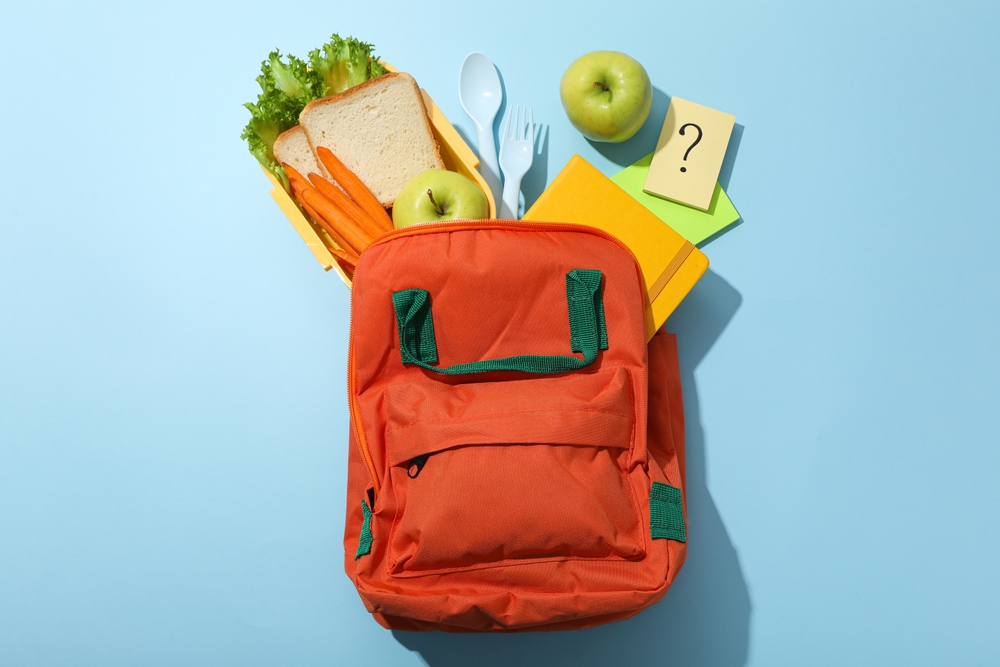
You spend Sunday nights meal prepping and hunting for organic snacks to fuel your child’s brain. However, a quiet reality happens in school cafeterias that most parents never see. Thousands of dollars in groceries end up in the trash bin before first recess even begins. Honestly, it is not your fault that marketing convinced you these items were essential. Here is the truth about the lunchbox items that teachers consistently toss and why your money is being wasted.

The Illusion of Yogurt Tubes
Yogurt tubes are marketed as the ultimate mess-free convenience for busy families. In reality, these items are often impossible for small hands to open without scissors. Teachers in a room of thirty students simply do not have time to provide surgical assistance for every snack. By the time a child gets help, the yogurt has usually reached an unappealing temperature. Surprisingly, most of these end up half-squeezed and discarded to avoid a sticky explosion in the classroom.
Pre-Packaged Dipping Kits
Those colorful boxes containing crackers and cheese feel like a balanced win for parents. On the other hand, the high sodium content of these kits often leads to a quick sugar crash. Most children eat the crackers and leave the rubbery meat and cheese untouched. You are essentially paying a 400 percent markup for plastic packaging that ends up in a landfill. Teachers often watch kids pick out the fun part and slide the rest into the bin.
The Deceptive Nature of Fruit Pouches
Fruit pouches feel like a victory for nutrition, but they are often the first thing to be abandoned. Because they are consumed so quickly, they do not provide the satiety that comes from chewing actual fruit. Many children treat these like a drink rather than a meal component. Once the cap is off, they become a tipping hazard that teachers dread. If a child does not finish one in the first two minutes, it is gone.
Why Juice Boxes Fail
Juice boxes are a staple of the American lunchbox, yet they are a primary source of waste and sticky floors. The tiny plastic straws are a nightmare for fine motor skills. Once punctured, the box cannot be resealed. If a child takes two sips and is finished, the rest of that liquid goes straight into the trash. Furthermore, the sugar spike from juice often leads to behavioral issues in the afternoon.
Bulk Snacks in Flimsy Bags
Buying in bulk is a smart financial move, but how you pack those snacks matters. Flimsy sandwich bags often get crushed at the bottom of a backpack, turning expensive crackers into dust. Children will rarely eat a snack that has been pulverized into crumbs. You might think you are saving money, but if the food is inedible by noon, the savings disappear. Investing in a sturdy container ensures that what you pay for actually makes it into your child’s stomach.
Reclaiming Your Grocery Budget
The school lunch system is a hidden cycle of waste that drains your wallet one snack at a time. By focusing on whole foods and durable packaging, you can ensure your child is actually nourished. Stop paying for the convenience of marketing and focus on what kids actually eat. You have worked too hard for your money to let it sit at the bottom of a trash can. Make the shift today and watch your grocery bill and your frustration drop significantly.
Have you noticed your child coming home with a full lunchbox or empty wrappers? Leave a comment below and let us know which items your kids actually finish.
What to Read Next…
- Virginia Baby Food Ban: 5 Specific Brands Just Prohibited Under New Safety Laws
- 6 Kid-Friendly Foods That Were Quietly Recalled This Month
- Why Your Family Could Be Spending More on Food This December — and What to Do
The post 6 Lunchbox Items Teachers End Up Throwing Away That Parents Paid For appeared first on Kids Ain't Cheap.