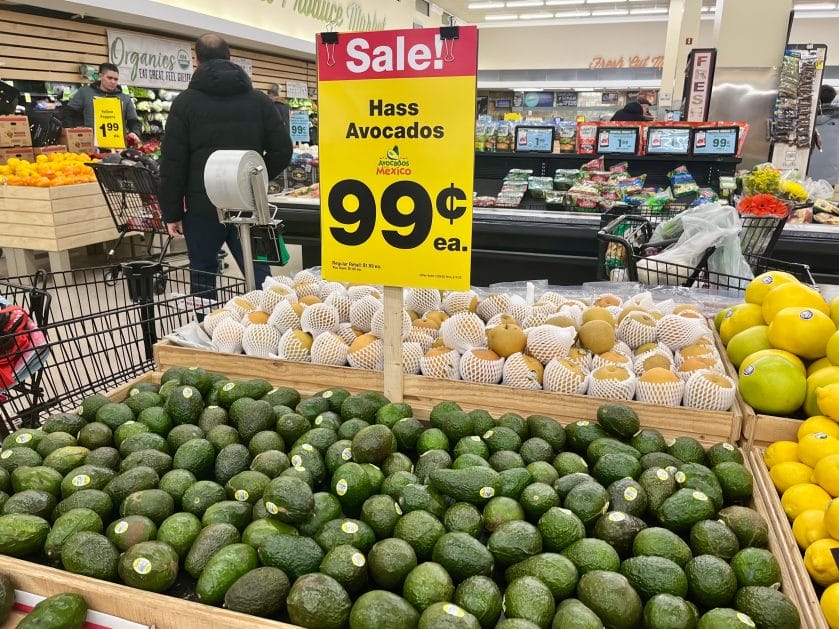
The price of your groceries is not random. It follows a predictable rhythm dictated by seasons, supply chains, and marketing calendars. Retailers operate on a cyclical schedule where specific categories of food hit rock-bottom prices at the same time every year. By recognizing these six major pricing patterns, you can sync your pantry stocking with the market’s lowest points, effectively paying 2026 prices for food that would otherwise cost a premium.

The Winter Baking Cycle
From early November through December, and again briefly before Easter, the cost of baking essentials collapses. Flour, sugar, chocolate chips, and canned pumpkin are sold as loss leaders to encourage holiday feast shopping. Retailers know that if you buy your cheap flour at their store, you will likely buy your expensive turkey there, too. Smart shoppers buy enough sugar and flour in November to last until the following autumn, avoiding the high prices of baking goods during the summer months when no one is thinking about cookies.
The March Frozen Food Freeze
Every March is National Frozen Food Month. Manufacturers fund massive promotions to clear out freezers before the summer ice cream inventory arrives. You will see aggressive coupons and “Buy One, Get One” deals on frozen vegetables, pizzas, and waffle fries. This is the strategic time to fill your chest freezer. The prices in March are often thirty percent lower than they will be in July.
The Summer Condiment Glut
Between Memorial Day in May and the Fourth of July, condiment prices hit their annual floor. Ketchup, mustard, BBQ sauce, and salad dressings are fiercely discounted to capture the grilling market. Because these items have long shelf lives and high acid content, they are perfect candidates for bulk buying. A year’s supply of BBQ sauce purchased in June will cost half of what it costs in January.
The Post-Holiday Meat Crash
Immediately following major holidays, premium cuts of meat see drastic markdowns. The days after Easter see spiral hams sold for pennies on the pound. The week after St. Patrick’s Day is the only time corned beef is cheap. The first week of January is prime time for turkeys that didn’t sell for Christmas. These meats freeze exceptionally well. Buying a holiday ham on April 10th and eating it in June is a hallmark of the strategic shopper.
The “New Year” Health Tax

Conversely, January brings a price spike in the “wellness” category. Retailers know that millions of people are starting diets, so the prices of protein powder, fancy salads, and “health” branded frozen meals often remain at full retail. However, this is offset by the “Super Bowl” effect in late January, where soda, chips, and dips drop in price. The pattern is distinct: healthy food is expensive in January, while junk food gets cheaper as the month progresses toward the big game.
The Seasonal Produce Inverse
Produce prices follow a simple supply and demand curve. In the summer, berries, stone fruits, and zucchini are cheap because they are abundant domestically. In the winter, you pay a premium for these same items because they are shipped from South America. Conversely, citrus is cheapest in winter when domestic crops are harvested. Fighting this pattern is the fastest way to bloat your budget. Eat berries in July and oranges in December to stay in sync with the lowest prices.
Riding the Price Waves
Grocery pricing is a tide that goes in and out. By paddling out to meet the deals when they arrive—stocking up on flour in winter and condiments in summer—you ensure that you are always eating at the bottom of the market.
What to Read Next
The Death Star on Costco Price Tags: What It Signals Before an Item Disappears
Stop Paying Full Price: 10 Free Resources That Slash Grocery Bills in Half
Do Price Match Policies Still Work for Grocery Shopping?
The Real Reason Grocery Prices Shift From Week to Week
How Tariffs Affect the Price of Groceries
The post 6 Grocery Category Price Patterns You Should Know appeared first on Grocery Coupon Guide.