
The words “payment delay” hit differently when bills sit on the kitchen counter and due dates refuse to move. New fraud review systems promise tighter security, but they also bring a wave of uncertainty for millions who rely on steady government support. The goal sounds simple enough—stop fraud before it drains public funds—but the ripple effects could reach far beyond the people trying to game the system.
This shift does not creep in quietly. Agencies across the board now lean harder into verification checks, identity confirmations, and cross-referenced data systems that slow down processing times. That means some benefit payments could take longer to arrive, even for those who follow every rule and file everything correctly.

1. Social Security Payments Could Hit Unexpected Speed Bumps
Social Security payments anchor the financial stability of millions, which makes any hint of delay feel like a major disruption rather than a minor inconvenience. Fraud reviews now require additional identity verification checks, especially when accounts show recent updates or changes in banking details. Even small edits, like updating an address or switching direct deposit accounts, can trigger extra scrutiny that slows down payment processing. These reviews aim to catch suspicious activity early, but they also place legitimate claims under a microscope.
That extra layer of verification may stretch processing times beyond the usual schedule, particularly during peak periods or after policy updates. People who rely on these payments for essentials like rent, groceries, and medication could feel the pressure quickly if delays pop up. Staying proactive helps reduce risk, so keeping account details accurate and avoiding last-minute changes can make a difference. Setting up alerts and checking account status regularly adds another layer of control. When systems move more slowly, preparation becomes the strongest tool available.
2. Unemployment Benefits Face More Intensive Screening
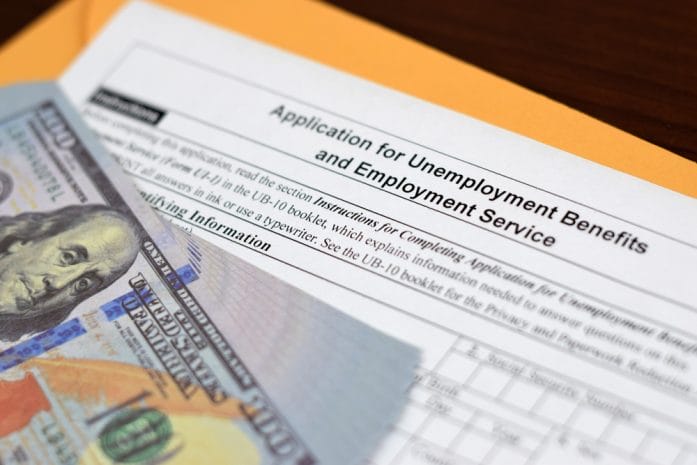
Unemployment benefits already come with layers of paperwork, but new fraud prevention measures raise the bar even higher. Agencies now cross-check employment records, wage data, and identity details more aggressively, which can stretch approval timelines. Claims that once moved quickly may now sit in review longer, especially if discrepancies show up in reported income or job separation details. Even minor mismatches can send a claim into a deeper review cycle.
These changes aim to reduce fraudulent claims that surged in recent years, but they also increase friction for legitimate applicants. Filing claims accurately and providing complete documentation from the start can help avoid unnecessary delays. Keeping records of past employment, pay stubs, and termination details ready to upload can speed things along. Consistency matters more than ever, so double-checking every entry before submission becomes essential. When reviews tighten, accuracy becomes the fastest path forward.
3. Disability Payments Could See Longer Verification Times
Disability benefits depend heavily on documentation, and fraud reviews now demand even more thorough validation of medical and personal records. Agencies may request additional proof or re-evaluate existing files more frequently, especially if something appears inconsistent or outdated. That added scrutiny can slow down both new applications and ongoing payments. Reviews that once occurred periodically may now happen more often, adding another layer of uncertainty.
People receiving disability payments often rely on predictable timelines, so any disruption can create immediate challenges. Staying ahead of documentation requirements can help reduce delays, particularly when medical records remain current and complete. Regularly updating information and responding quickly to requests can keep the process moving. Communication plays a key role here, since missed notices or incomplete responses can extend review times significantly. When the system asks for more proof, quick action keeps things from stalling.

4. Tax Credits and Refunds May Take Longer to Arrive
Tax season already tests patience, but fraud checks now stretch that waiting game even further. Credits like the Earned Income Tax Credit and Child Tax Credit often trigger additional reviews because they involve larger payouts and higher fraud risk. The system may flag returns for identity verification or income confirmation, especially if something changes from previous filings. Even accurate returns can land in review simply due to updated fraud detection algorithms.
That means refunds may take weeks longer than expected, which can disrupt plans that depend on that money. Filing early, using consistent information, and avoiding errors can reduce the chance of a delay. Electronic filing and direct deposit still offer the fastest routes, even with added checks in place. Keeping documentation handy in case verification becomes necessary can also prevent further setbacks. When timing matters, preparation turns into a powerful advantage.
5. SNAP and Food Assistance Programs Under Closer Watch
Food assistance programs like SNAP now face increased oversight as agencies work to prevent misuse. Verification processes may include stricter income checks, household composition reviews, and periodic eligibility confirmations. These steps can delay approvals for new applicants and slow down benefit renewals for existing participants. Even routine updates can trigger additional reviews that extend processing timelines.
For households that rely on these benefits for daily meals, delays can create immediate stress. Keeping records updated and reporting changes promptly can help minimize interruptions. Submitting renewal applications early provides extra time for any unexpected reviews. Staying organized with documentation like pay stubs and household details can also speed up the process if verification requests appear. When systems tighten, staying one step ahead becomes essential for maintaining consistent support.
6. Stimulus-Style Payments Could Get Extra Scrutiny
Whenever governments issue large-scale payments, fraud prevention moves front and center, and that focus brings added review layers. Stimulus-style payments, rebates, or emergency financial assistance programs often attract strict verification processes to ensure funds reach the right people. That can slow down distribution, especially when agencies cross-check eligibility against multiple data sources. Even small discrepancies in records can trigger delays that push payments further down the timeline.
These programs usually aim to deliver quick relief, but fraud checks can stretch that timeline unexpectedly. Ensuring tax filings, income records, and personal information stay consistent across systems can help reduce complications. Responding quickly to any verification requests can also prevent further delays. While the goal remains to protect funds, the process often demands patience from those waiting for assistance. Planning ahead for possible delays can ease some of that uncertainty.
Stay Ready, Stay Informed, & Stay One Step Ahead
Fraud prevention efforts bring a clear goal—protect public funds—but they also introduce real-world challenges for anyone relying on government benefits. Delays may not hit every payment, but the possibility now sits firmly on the table across multiple programs. That reality makes preparation more important than ever, especially when timing affects daily life. Keeping records updated, filing accurately, and responding quickly to requests can make a noticeable difference when reviews tighten.
What strategies have worked to keep payments on track, or what concerns stand out most about these new reviews? Let’s hear your thoughts, tips, or experiences in the comments.
You May Also Like…
Charity Strategy: 9 Giving Moves That Bring Tax Benefits Many People Ignore
6 Smart Strategies for Maximizing HSA Benefits Exponentially
Insurance Costs Are Quietly Reshaping Where Americans Can Live — And Some Are Being Priced Out
5 Subtle Estate-Tax Traps the Government Quietly Introduced
9 Benefits You Lose As An Independent Contractor
The post 6 Government Benefit Checks That Could Be Delayed Under New Fraud Reviews appeared first on The Free Financial Advisor.







