
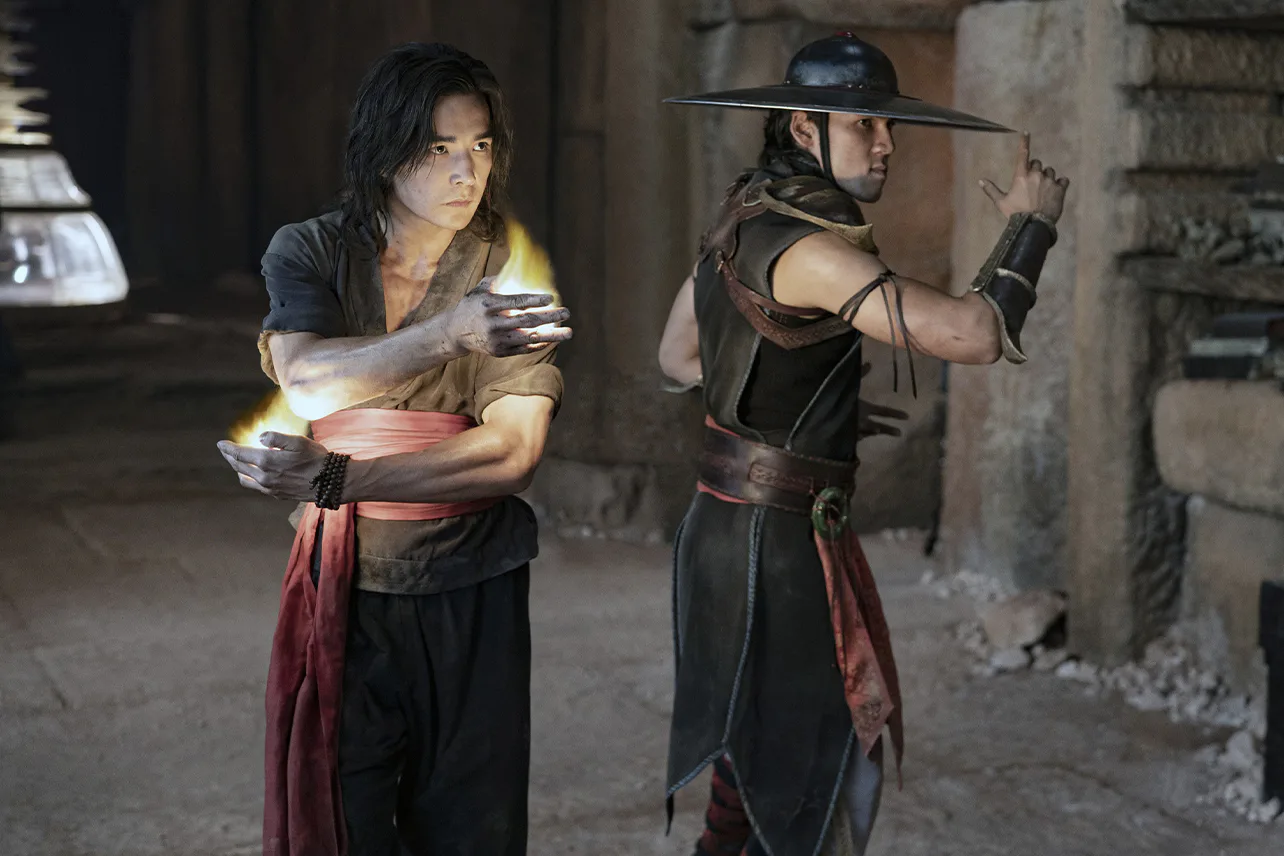
When Mortal Kombat arrived on the scene in 1992, gift-wrapped in an arcade cabinet that served up pixelated carnage to players far too young to witness it, it was practically an overnight success. Its eclectic cast of thunder gods, multicolored ninjas, and even a cheeky parody of action star Jean-Claude Van Damme, its introduction of “juggling” into fighting game conventions, and its iconic, increasingly brutal fatalities earned it a well-deserved spot on the Mount Rushmore of fighting games, a place it has maintained through a rough transition into 3D and into the franchise’s modern reboot era.
Conversely, when the first Mortal Kombat movie arrived three years later, it was criticized for being hokey and thin on plot, not to mention the stiff acting and PG-13 violence. Despite its flaws, it was a commercial success that managed to replicate the absurd, action-figure-smashing energy of the games remarkably well, largely by not taking itself too seriously. Three decades later, however, we’re in an age where Hollywood takes everything seriously. Released five years ago today, 2021’s Mortal Kombat reboot is a fascinating reflection of what happens when the pendulum swings too far in the opposite direction.




