
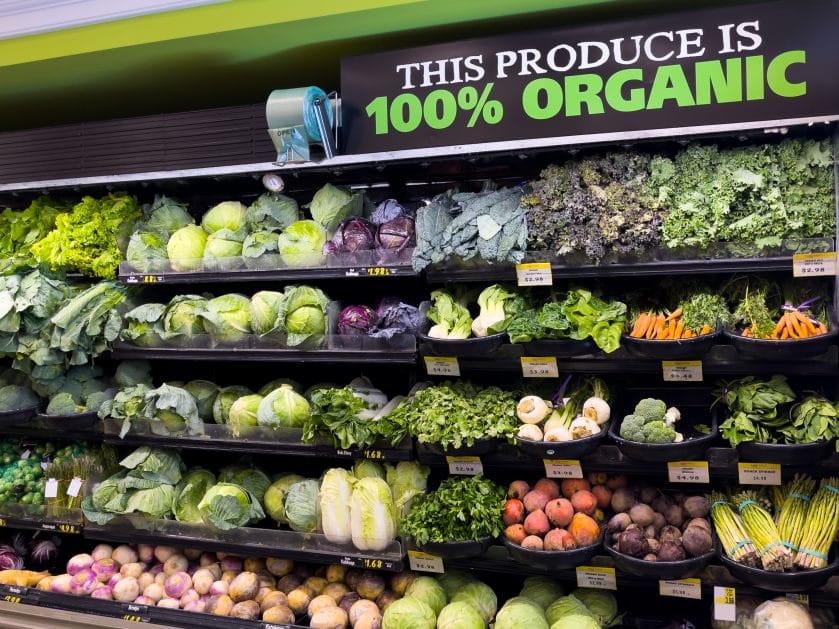
We all want to feed our families the cleanest food possible, but organic prices can be shocking. It often feels like you have to choose between your health and your rent. However, you do not have to switch to an all-organic diet to make a difference. There are strategic ways to buy organic that fit into a standard grocery budget. You just have to know where the real value lies in the produce section.

1. Master the Clean Fifteen
You do not need to buy organic for every single fruit and vegetable. The “Clean Fifteen” is a list of produce with thick skins that naturally protect them from pesticides. Avocados, onions, and pineapples are generally safe to buy conventionally. You should save your organic budget for the “Dirty Dozen” list, like strawberries and spinach. This strategy instantly cuts your organic bill in half.
2. Buy Frozen Organic
Fresh organic berries and spinach spoil quickly and are expensive. Frozen organic produce is picked at peak ripeness and flash-frozen immediately. It is often thirty percent cheaper than the fresh version and has the same nutrient profile. You also do not have to worry about it rotting in your fridge before you eat it. It is the smartest way to keep organic greens in your diet.
3. Shop the Imperfect Bins
Many stores now have a specific section for “ugly” organic produce. These are apples or carrots that are misshapen but perfectly fine to eat. They are sold at a deep discount because they do not look perfect on the main display. You are going to chop them up anyway, so the shape does not matter. It is a great way to rescue food and save money.
4. Hit Farmers Markets Late

Farmers’ markets are great for local organic food, but they can be pricey early in the day. If you go in the last thirty minutes, farmers are often desperate to unload their remaining stock. They would rather sell it to you for cheap than haul it back to the farm. You can negotiate bulk deals on tomatoes or peppers right before they close up shop. It helps the farmer and fills your fridge.
5. Trust the Store Brands
Store brands have completely changed the game for organic food pricing in the last few years. You no longer have to buy expensive name brands to get the USDA Organic seal on your food. Chains like Kroger, Aldi, and Walmart have created their own organic lines that are significantly cheaper than the national brands. The strict government certification standards are exactly the same, so the quality is identical inside the package. You are simply paying less because you aren’t funding a massive national marketing campaign
The Organic Balance
Eating organic does not have to drain your bank account if you are smart about it. By focusing on the items that matter and buying frozen, you get the benefits without the markup. It is about prioritizing your spending where it counts the most. You can have a healthy kitchen and a healthy wallet at the same time.
What to Read Next
Is Buying Organic Actually Worth It?
The Shocking Markup on Your Favorite “Organic” Items
The Hidden Cost of “Organic” When You’re Trying to Stretch Your Grocery Budget
From Heath to Flavor: Why People Are Choosing Organic Options
Why Are Some Organic Labels Being Quietly Removed in 2025?
The post 5 Ways to Save on Organic Produce Without the High Price appeared first on Grocery Coupon Guide.







