
Get all your news in one place.
100's of premium titles.
One app.
Start reading
Livingetc
Livingetc
Rachel Christie

5 Ways to Make Your Kitchen Extension Feel More Expensive, Without Necessarily Spending Much More

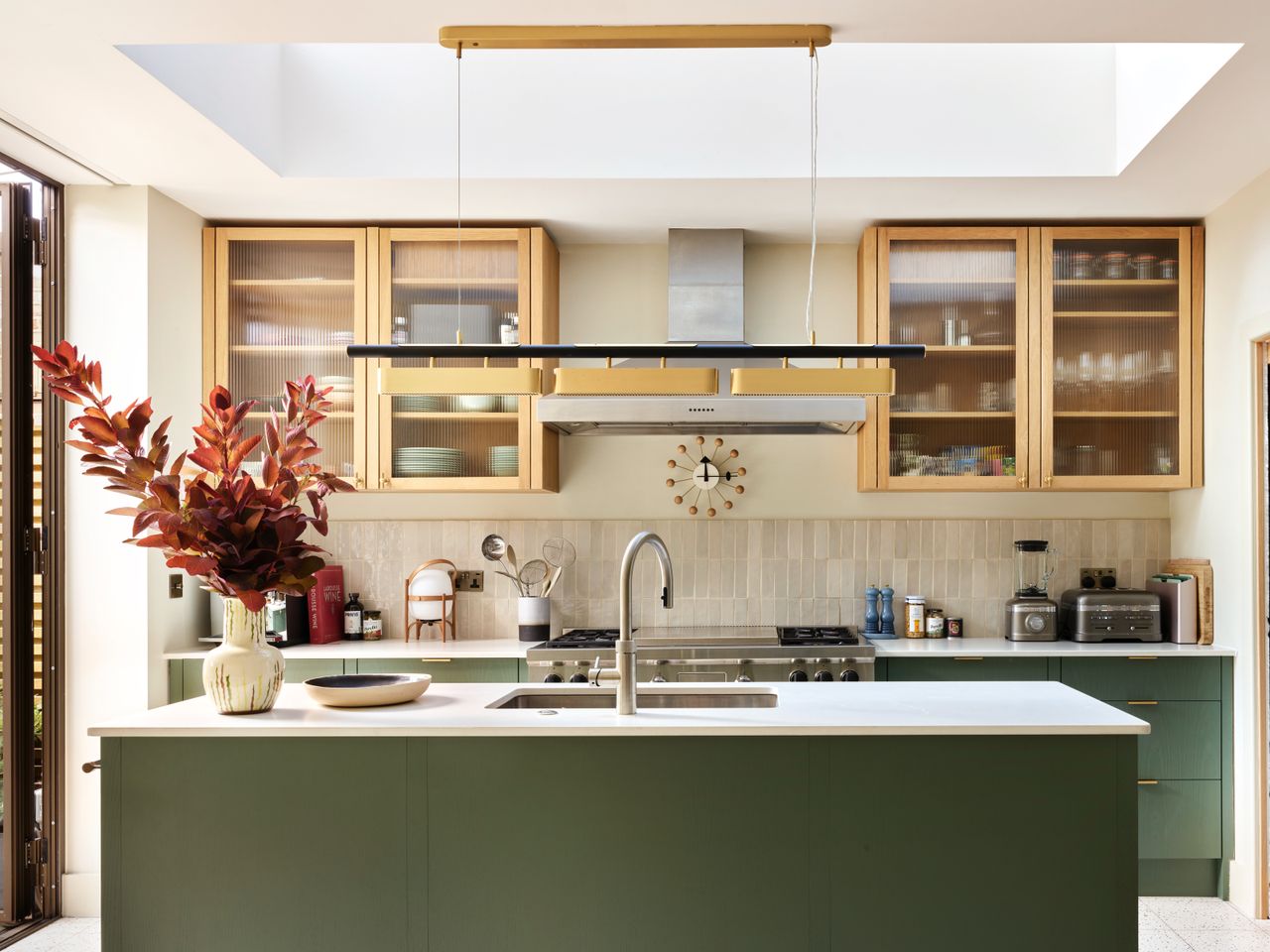
Olive green kitchen extension with brass details.

If you're in the throes of extending your kitchen and you're afraid of being left with minimal funds and a boring box, fear not, there are ways of making your kitchen extension feel more expensive, without necessarily spending more.

We're all aware that building costs are at an all-time high, so it's not unusual to spend the bulk of the budget on the basic first-fix build and glazing, without much to spare on fabulous architect-designed ideas and top-of-the-range finishing touches.

So we've asked industry experts to give us some insider tips on how to elevate a kitchen extension without draining the bank balance in the process. The general consensus is that it's all in the detail - whether that's in the layout or choice of materials — take time to consider the finer details, and you'll end up with a finished space that will feel bespoke and unique. So if you want to make your kitchen extension feel more expensive, these are the expert-approved design tricks you should consider...

1. Carefully Consider the Layout

“Work tonally, not contrast-heavy — stronger color can work beautifully when it’s anchored and balanced. A deeper base paired with lighter elements above allows the space to feel simultaneously grounded and open,” says interior designer Anouska Tamony. (Image credit: Jim Stephenson. Design: Nim Tim Architects )

Before getting carried away with fun finishing touches like the perfect bright paint color or which stone worktop to pick, it's important to think about the design and layout. "The single biggest thing you can do is get the proportions right. A well-proportioned kitchen extension with simple finishes will always feel more considered than an awkward layout dressed up with expensive materials," says Emily Pun, interior architecture expert and founder of Den.

And Tim O’Callaghan ARB, director and co-founder of NimTim Architects agrees, "feeling expensive doesn’t necessarily mean using high-end finishes and materials — its the feeling of luxury that comes from a space that is coherent and calm: that gives the impression of having always been connected and conceived together. That, ultimately, is about a well-considered and well-designed layout."

Open-plan? Broken-plan? Space to lounge? Ace the layout, and the rest should fall into place.

2. Treat It as a Room, Not an Add-on

Elevate simple kitchen cabinets with beautiful hardware for an instantly more expensive look and feel. (Image credit: Kristy Noble. Design: Den )

Uniting old and new parts of a property is easier said than done, but it's an important part in making a modern extension feel like a fully realised room, rather than something stuck on as an afterthought. "The key thing for us is that it doesn’t feel like an extension to the existing house — that you don’t experience the junction between the new and what was there before," says Tim.

"Usually, there is a bit of structure to hold up the existing house: if you want the space to feel seamless, this needs to be recessed into the walls and floors — usually more expensive for the builder. However, you can often integrate steels and columns into other features like fitted joinery or the kitchen, which is often less costly," adds Tim. "We’ll also sometimes add in a consistent feature like a picture rail or a dado that connects the spaces."

Using materials and finishes to continue between new and old helps tie spaces together. "Think about continuity like running the same flooring from the existing house through into the extension, which removes the visual break that makes a new addition feel like a bolt-on. It costs nothing extra but makes the whole floor feel intentional," adds Emily.

3. Invest in one or two bespoke pieces

"Luxury in a kitchen often comes from a certain amount of restraint," suggests Anouska Tamony. (Image credit: Jim Stephenson. Design: Nim Tim Architects )

Uniqueness is often what makes something feel luxurious and expensive, rather than run-of-the-mill, so avoid copying too much and consider leaning into your own individuality and what works for you. An open-plan kitchen might suit some people, but you might crave sectioned-off areas and cozy corners.

“You don’t need everything to be expensive or custom, but a couple of thoughtfully detailed elements, whether bespoke joinery, a sculptural light or a curved seating detail, can anchor the entire space and elevate it,' says Anouska Tamony, creative director at Anouska Tamony Interior Design. ”When proportions, joinery, and lighting are considered as one composition, the space reads as a harmonious whole rather than appended.”

"Integrating appliances, concealing storage, and allowing materials to lead creates a calmer, more architectural feel,” she adds.

4. Create a Seamless Transition

"You might want materials and finishes to continue between new and old — you can find great matches like reclaimed floorboards or even just a lick of paint that means you don’t have to change too much in the existing space," says Tim O’Callaghan. (Image credit: Phoebe Lewis Design)

Despite the unpredictable weather, inside/outside living brings a lot of joy, so when planning your extension, allow your kitchen to spill out into the garden by extending the same floor outside. You'd probably have to put in a new patio anyway, so it shouldn't be much more costly, but it will make the whole space feel more expensive. If you want to take it a step further, continue the kitchen and dining outside, too, and create a full outdoor dining setup for extra luxe points.

'When designing a kitchen extension, it’s important to consider your floor finish early on and how it connects to the garden and patio, especially when choosing large glass patio doors,' explains interior architect Phoebe Lewis, founder of Phoebe Lewis Design. "Extending the same material from inside to outside can help create a seamless transition and make the space feel larger. Just ensure the chosen finish is suitable for outdoor use and has an appropriate slip rating."

5. Design for the Evening, Not Just the Day

When designing your kitchen extension, don't forget to include external lights in your electrical plan for a thoughtful and well-lit patio and garden. (Image credit: Jim Stephenson. Design: Nim Tim Architects )

It's very easy to forget about how a kitchen might look after sundown, but given it feels incredibly dark for a good chunk of the year, it's important that the lighting works well at all times of day, practically and aesthetically. Nothing screams inexpensive more that a bright, overhead bulb and not much else.

“An extension shouldn’t only work in daylight. Layered lighting and softer tones in the evening are often what distinguish a space as feeling responsive and alive in real life.” says Anouska. And Emily agrees — "don't underestimate lighting: a layered scheme with dimmers, task lighting under wall units, and one or two decorative pendants over a dining or island area will transform the way a space feels in the evening, without a huge outlay."

Just as important as getting the lighting right at night, it's also vital to have a consistent lighting strategy between new and old, as Tim points out — "don’t transition suddenly from pendants to down-lights and LED strips; have a consistency in terms of the fittings and approach to lighting."

Ready to begin your kitchen extension? With layout, lighting and materials in mind, start leafing through some modern kitchen ideas for color and style inspiration.

Sign up to read this article
Read news from 100's of titles, curated specifically for you.
Already a member? Sign in here
Related Stories
Top stories on inkl right now
One subscription that gives you access to news from hundreds of sites
Already a member? Sign in here
Our Picks
Fourteen days free
Download the app
One app. One membership.
100+ trusted global sources.